Burgundy Starts Its Earliest Harvest in Nearly 500 Years
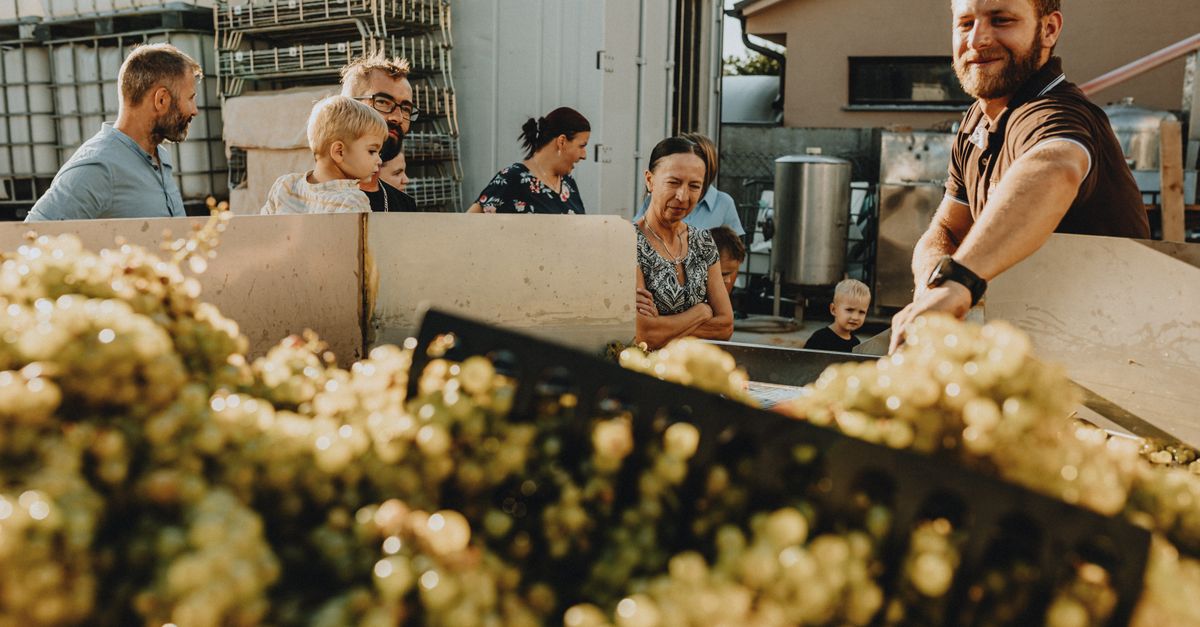
The pickers went into the vineyards on August 13th. In Burgundy. That date has not happened in recorded history, or at least not since the 1500s, when a French monk named Salomon Rose began keeping harvest records that wine historians still cite today.
Wine-Searcher reported the news last Wednesday, and I've been thinking about it since, mostly because I keep buying Burgundy at prices I can't really justify and I'd like to know whether that money was well spent.
The short answer is: nobody knows yet. But the longer answer is more interesting.
What's actually happening
The 2026 harvest date is being called the earliest in roughly 500 years, which is one of those statistics that sounds like hyperbole until you look at the data. French climatologist Bernard Seguin and his colleagues published a long-run harvest date study in 2004 covering Burgundy from 1370 onwards, and the trend line over the last 30 years bends sharply. The average harvest date has moved almost two weeks earlier since 1988. This year pulled it further still.
The cause is heat. A sustained warm spell through July and into August pushed sugar accumulation in the grapes faster than the vines could slow it down. Producers didn't get a choice about when to pick. You go when the grapes tell you, or you end up with flabby, overripe fruit that no amount of winemaking skill will fix.
What this does to the wine
Early harvests are not automatically bad. 2015 was early and produced some stunning Burgundy. 2003 was early and extreme and produced wines that are still dividing opinion 23 years later, some magnificent, some monstrous depending on who made them and where the vines sat.
The pattern with very warm, early years is roughly this. Reds from the Cote de Nuits, where Pinot Noir can handle heat better than you'd expect if the vines are old and deep-rooted, often come out with concentrated, plush fruit and lower acidity than usual. Some people love that. Some people buy Burgundy precisely because it isn't like that, and they find these vintages a bit much.
Whites from Chablis and the Cote de Chalonnaise are the ones I'd watch more carefully. Chardonnay loses acidity fast in heat, and acidity is basically what makes white Burgundy worth the price. A flat, low-acid Chablis Premier Cru at £35 is one of the more depressing things you can open.
The producers who irrigate illegally (and some do, quietly) will have fared better. The ones farming organically or biodynamically, who by definition can't irrigate and often also have older vines with deeper roots, might have held on better than their conventional neighbours. I don't have data on that yet. Nobody does in mid-August.
Whether you should care about the 2026 vintage right now
Probably not, practically speaking. The wine won't be in bottle for at least a year, and by the time it reaches the UK market through importers, you're looking at late 2027 for most village and regional appellations, later for Premier and Grand Cru. The trade will spend the next 18 months arguing about it, which is part of the entertainment.
What you can do right now is taste older vintages alongside each other and build a sense of what warm-year Burgundy actually tastes like in your glass. The 2019s and 2020s are available from good merchants now, both warm vintages, both controversial in similar ways. Track down a 2017 if you can find one at a reasonable price, it's a quieter year but precise in a way that's useful for comparison.
London and Bristol have decent Burgundy masterclass events through the autumn, usually run by importers like Burgundy specialists Vine Trail or by bottle shops with serious French selections. If you're on Sommly, searching "Burgundy" or "Pinot Noir masterclass" over the next few months will pull up whatever's been listed by independent educators and shops. Worth checking before the 2026 vintage hype fully kicks in and everyone suddenly becomes an expert.
The bigger thing this points to
I don't want to overstate what a single harvest date means, but I also don't want to pretend it means nothing.
Burgundy's appellation system was built on the idea that specific plots of land, farmed and vinified with care, produce wines that reflect where they came from with something close to consistency. The "where" was always the point. But "where" includes climate, and the climate of the Cote d'Or in 2026 is measurably different from the climate that established those plot boundaries in the 12th century.
Some producers are already planting at higher altitudes. A few are experimenting with grape varieties not traditionally associated with Burgundy, which requires special dispensation and causes genuine friction. The appellation rules are slow to move. The weather is not.
None of this means Burgundy is finished. The best producers are good enough to make interesting wine in difficult years, and some of them will make something genuinely remarkable from 2026. But if you've been meaning to learn more about what you're actually buying when you spend serious money on Burgundy, the 2026 vintage is as good a reason as any to start. Not next year, after the critics have told you what to think. Now, while the questions are still open.
There's a particular pleasure in tasting a wine when nobody's quite sure yet what it is. The 2026s will eventually get their scores and their verdicts. Right now, the people who know the most about Burgundy are standing in harvested vineyards wondering what they just picked. That's not a bad time to be paying attention.