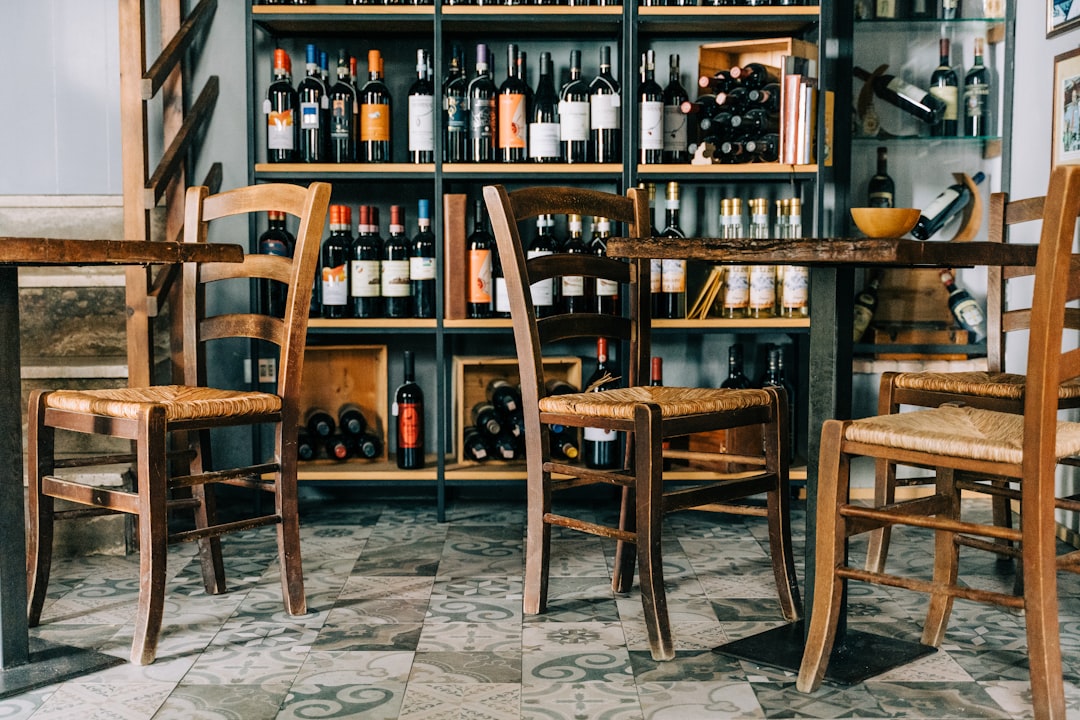
Cantina Boccone Opens an Italian and Portuguese Wine Bar in Deptford
Deptford gets a proper wine bar before most of Central London has worked out what Alta Langa is. That's not a dig at anywhere, just a fact worth sitting with for a moment.
Cantina Boccone opened on July 7, 2026, on the southeast London stretch that's been quietly accumulating interesting places to eat and drink for a few years now. The bar's focus is Italian and Portuguese small producers, the kind of names that don't appear on supermarket shelves and rarely make it onto wine lists at brasseries charging £80 for a bottle of something you could find in a Calais hypermarché. According to RestaurantOnline, the concept is built around lesser-known regions from both countries, which tells you something about what the owners think their customers want. Or at least, what they hope they want.
I think they're right.
Why This Combination Makes Sense
Italy and Portugal don't get paired together much, which is part of what makes the Cantina Boccone setup interesting. They share a few things that matter: both countries have enormous numbers of indigenous grape varieties that most people in Britain have never encountered, both have regions producing genuinely good wine that gets overshadowed by the famous names, and both have a tradition of wine being an everyday thing rather than a performance.
Portugal especially gets compressed into two or three postcodes in most people's mental map. Port from the Douro. Vinho Verde from the Minho, or at least the light fizzy supermarket version of it. Pasteis de nata optional. But there are 250-odd native grape varieties documented in Portugal, and regions like Bairrada, Dao, and Alentejo produce wines that can hold their own against almost anything from France or Italy at the same price point. Encruzado from Dao is one of the best white wine grapes in Europe that most people in this country couldn't name. Baga from Bairrada is a red that can age 20 years and costs a fraction of what a comparable Nebbiolo does.
Italy has the same problem, just with more syllables. Barolo and Brunello do most of the heavy lifting for Italian reds in the UK, which means the rest of the country, some of which is producing remarkable things, tends to get skipped. Alta Langa DOCG in Piedmont is a case in point: a serious traditional-method sparkling wine that was robbed of 3,000 bottles at a Strevi winery last week according to The Drinks Business, which tells you something about how valuable it's become. Still nowhere near the mainstream recognition it deserves.
A bar that treats both countries as having more to offer than their famous regions is, in my view, exactly what's needed. And Deptford, with its mix of long-term locals and people who've moved south of the river specifically because the rents are lower and the food's better, seems like a reasonable place to put it.
What 'Small Producers' Actually Means
The phrase gets used a lot, and sometimes it means nothing in particular. Worth being specific about what you're actually getting when a bar leans into it.
Small producers, in the context of Italy and Portugal, usually means one of a few things. It might mean a family domaine that's farmed the same land for generations and doesn't have the marketing budget to get listed anywhere with a PR department. It might mean a new-wave winemaker who trained elsewhere and came back to a neglected region with different ideas. It might mean a co-operative that's started bottling under its own label. What it generally doesn't mean is a négociant buying fruit from across a large appellation and blending it for consistency.
The trade-off is real. Small producer wines can be inconsistent vintage to vintage, and occasionally a bottle just doesn't work. But the upside is that when they do work, they taste like somewhere specific. You can tell a Vermentino from Sardinia from a Vermentino from Liguria if the producer is paying attention to what makes their site different, in a way you often can't with a large commercial release.
Whether Cantina Boccone has done the curation work to find the right producers is something you'd have to go and find out for yourself. I can't tell you that from here.
Getting More Out of a Bar Like This
If you do go, a few things worth keeping in mind.
Ask about the glassware pour option before you commit to a bottle. Bars focused on small producers often have better by-the-glass lists than they advertise, partly because the bottles are unusual enough that they need people to try them before they'll commit to a full pour. If you're curious about something, ask if there's a smaller measure available.
Tell them what you already like. Seriously. "I like Albari'no" gives a good wine bar something to work with. "I like white wine" does not. If your reference points are narrow, just say so honestly, the conversation that follows will be better than if you pretend otherwise.
Don't ignore the Portuguese whites. Most people who go to Italian and Portuguese bars drink Italian reds and Portuguese reds. The whites from both countries, the real ones, the Bianco di Custoza, the Ribolla Gialla, the Dao Branco, are often where the value and the interest sit.
And if they have anything from Bairrada open, try it. It's tannic and demanding and sometimes slightly austere and it will not immediately make you feel like you're on holiday. It's also one of the most genuinely interesting red wine regions in Europe, and there's almost nowhere in London you can drink it by the glass.
Where Events Come In
A bar like Cantina Boccone is most useful when it runs tastings, and most bars like this do. Producers visit. The importer comes down for an evening. Someone who spent three months working a harvest in Alentejo turns up and talks through a vertical. These events are often how you actually learn what you're drinking, as opposed to reading a description off a blackboard.
If you want to find out when Cantina Boccone or places like it are running those kinds of sessions, that's exactly what Sommly lists: tastings, masterclasses, and producer evenings at independent bars, bottle shops, and importers across the UK. Worth keeping an eye on, especially for southeast London, which has more of this going on than most people realise.
The Bigger Picture
There's a shift happening in how people in the UK think about wine bars, and it's got less to do with natural wine being fashionable (it was, it still is, it will settle) and more to do with geography. The interesting openings are increasingly outside W1 and EC1. Deptford, Margate, Bristol's Stokes Croft, parts of Glasgow. Places where the rent allows a small operator to take a risk on an unusual list without immediately losing money.
Whether that's permanent or just a phase is genuinely hard to say. I lean towards it being structural rather than cyclical, because the economics of running a wine bar in Zone 1 are now extremely difficult, and the customers who care about obscure Dao reds are distributed all over the city.
Cantina Boccone might be exactly what it sounds like, or it might close in 18 months because running any small hospitality business in 2026 is brutal and the margins on rare Portuguese white wine are thin. Both things can be true at once. Go while it's there.