England's 2026 Vintage Looks Exceptional After June Heatwave
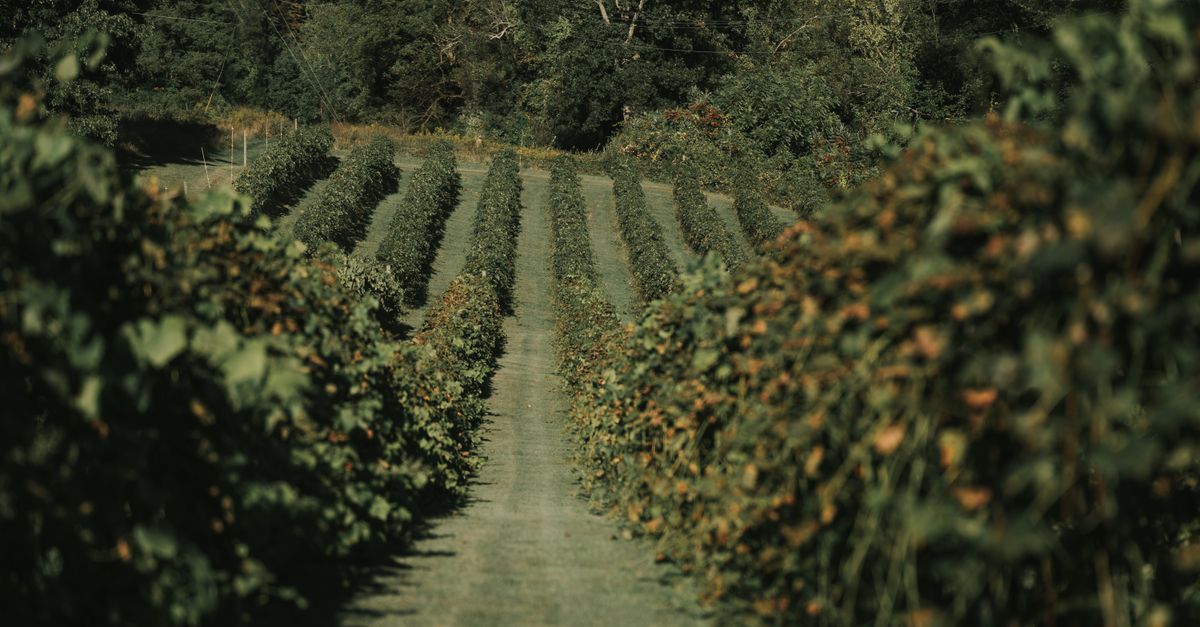
The vines at Nyetimber's West Chiltington estate are about three weeks ahead of where they were at this point last year. That's not a rumour or a hopeful projection from a PR email. It's the kind of thing growers are actually saying out loud, which they rarely do in June.
The BBC reported on June 24 that the heatwave currently sitting over southern England is doing something genuinely useful for once: pushing sugar accumulation in Chardonnay, Pinot Noir, and Pinot Meunier grapes at a rate that most English vintners haven't seen this early in the season. After a strong 2025 harvest, that's a lot of good news arriving at once.
What the Heatwave Actually Means for Growers
English viticulture has always had a weather problem. Not a catastrophic one, more a chronic uncertainty, the kind where you plant a Chardonnay and spend a decade watching it ripen to 80% of its potential because August decided to be miserable. The last few summers have started to shift that calculation, and 2026 looks like it might shift it further.
The mechanism is straightforward. Sustained warmth in June, before the vine hits its mid-season growth phase, means the fruit sets more reliably. Fewer grapes fall off before ripening. The ones that stay get longer in the sun. By the time harvest arrives in September or October, you're working with berries that have built real complexity rather than relying on winemaking to paper over thin raw material.
Kent and Sussex are seeing the biggest benefit right now. Producers like Gusbourne in Appledore and Ridgeview in the South Downs have historically punched above their weight in difficult years, so what they do with a genuinely warm one is worth watching. The 2022 vintage from both estates showed what happens when English Chardonnay gets the heat it wants. This could be that, or better.
The Risk Side
June heat isn't free. Vines under stress from drought can shut down photosynthesis, which stops ripening dead. Mildew pressure spikes when warm nights follow warm days without the breeze that coastal sites usually get. A grower in the Crouch Valley told me last autumn that his biggest fear isn't cold summers anymore, it's the vine deciding the heat is too much and going dormant early.
So the heatwave is good news with conditions. Producers who've invested in soil health and irrigation (still rare in English wine, but growing) will be better placed. The ones farming thin chalky soils on south-facing slopes, which is most of the good ones, will be monitoring canopy cover and praying for one or two decent rain days in July.
Why 2026 Matters Beyond One Good Year
English and Welsh wine output has roughly tripled since 2010, according to WineGB's annual surveys. Volume is somewhere around 23 million bottles in a good year. The industry has spent twenty years arguing it deserves to be taken seriously, and the last five years of consistent quality have finally started winning that argument in restaurants and wine shops.
But the next step is consistency. One brilliant vintage makes critics pay attention. Two or three back to back makes buyers plan around you. If 2025 was genuinely strong (and most producers said it was), and 2026 delivers at the same level or above, that's the kind of run that changes how importers and on-trade buyers think about English sparkling wine as a category in its own right rather than a novelty or a patriotic purchase.
Wiston Estate, Chapel Down, and Hambledon have all spent real money in the past three years on winery equipment and vineyard expansion. They're betting on the climate continuing to cooperate. The June 2026 data gives that bet a bit more ground to stand on.
What It Means for the Bottles You'll Actually Buy
The 2026 harvest won't reach you as a bottle for at least three years, probably four or five if it's going into traditional method sparkling wine. English producers bottle their base wines, then spend eighteen months to three years on lees before disgorgement. So when you open a 2026 vintage English sparkling in 2030, the June heatwave you're reading about now will be in the glass.
That's worth knowing because it changes how you shop. Right now the 2022 and 2023 vintages are starting to come through. If the heatwave predictions hold, 2026 will be one to watch for.
How to Get Closer to the 2026 Story as It Happens
This is where events are actually useful. They're access, before they're a social occasion. Vineyard open days through the summer let you see the vines at exactly the point when the growing season is unfolding. A visit to Bolney Wine Estate or Stopham Vineyard in July 2026 gives you a reference point that no tasting note can replicate. You'll see whether the leaves look stressed, whether the fruit set looks dense, whether the grower is quietly optimistic or cautiously guarded.
Harvest experiences in September are another route in. Some Sussex producers run small volunteer harvest groups or ticketed harvest days where you're picking grapes and talking to the winemaking team. That conversation, about what the year actually delivered versus what they hoped for, is more useful than anything you'll read in a retrospective review two years later.
Sommly lists English vineyard events, harvest days, and producer tastings as they're added by venues across the UK. If you want to follow the 2026 vintage in real time rather than waiting for the critical consensus in 2029, that's probably the most direct way to do it.
What to Drink While You Wait
The honest answer is: whatever you can find from 2021 to 2023. The 2021 Wiston Estate Blanc de Blancs (around £35 at the cellar door) showed that even in a cooler year, Sussex chalk produces Chardonnay with real tension. The 2022 Ridgeview Blanc de Blancs is richer, more confident, and closer to what the optimistic forecasts for 2026 are describing.
If you haven't tried English sparkling wine seriously, a good starting point is a guided tasting rather than buying blind. The variation between producers is significant, and what you prefer in a Champagne doesn't necessarily predict what you'll prefer in an English wine. The soils are similar in places, but the style decisions differ, and a half-hour with someone who knows both categories saves you a lot of twenty-pound experiments.
The 2026 vintage, if June holds, might be the one that people point back to. Or it might rain solidly from August onwards and we'll all quietly pretend this article never existed.