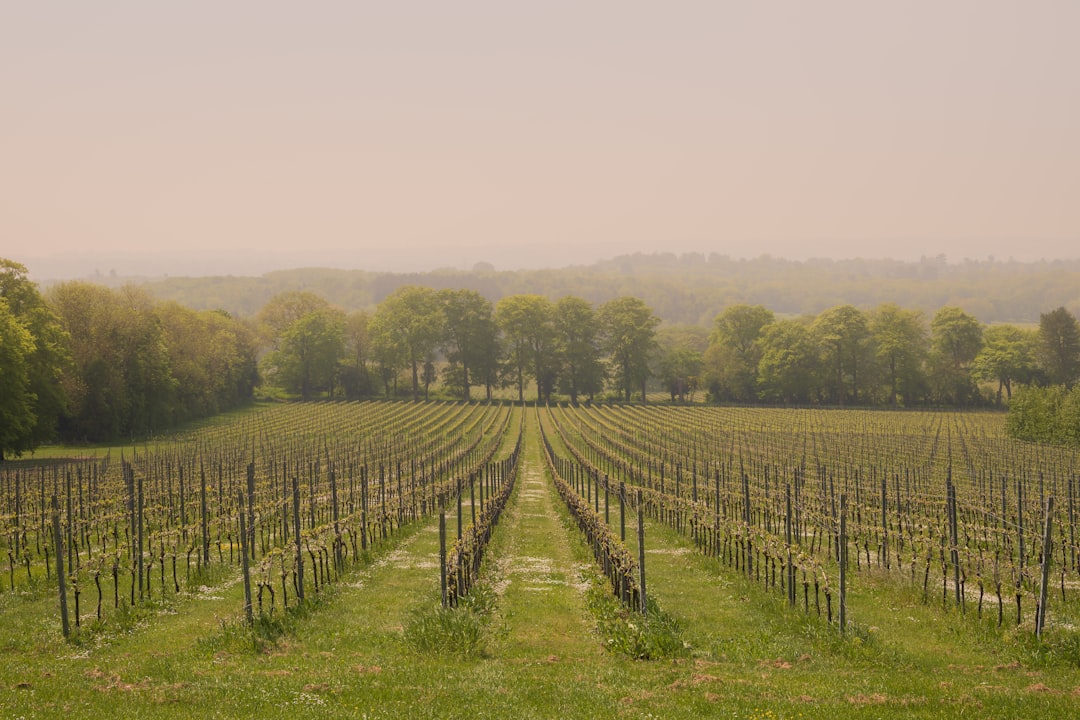
English Still Wine Overtakes Sparkling in 2025 Vintage Report
The number that caught my eye was buried in the middle of Defined Wine's 2025 vintage report, published on June 1st: for the first time, still wine production at a leading UK contract winery is matching, and in some categories beating, sparkling. Not nudging closer. Actually rivalling it.
That feels like a line worth marking.
English wine has spent the last twenty years selling itself on bubbles. Rightly so, honestly. The chalky soils of the South Downs and North Downs share a geology with Champagne's Cote des Blancs, and the classic Chardonnay, Pinot Noir, and Pinot Meunier blends that come out of Nyetimber or Wiston Estate have been winning blind tastings against Champagne houses for years now. Sparkling was the story. Sparkling got the column inches, the wedding menus, the Waitrose shelf space.
But still wine has been quietly getting better. And now, apparently, it's good enough that the people who make it commercially are reporting it as a genuine part of what English wine is, where it used to be a side project.
What the Report Actually Says
Defined Wine is a contract winery, which means they work with dozens of English producers who don't have their own winemaking facilities. That makes their vintage data unusually broad. They're not reporting on one estate's output. They're looking across a wide swathe of what got grown and pressed in England in 2025.
Their report flags two things that matter. First, the quantity of still wine coming through has grown enough to count. Second, and this is the part I keep coming back to, the quality is there. Producers aren't making still wine because they have leftover grapes that didn't make the sparkling cut. They're choosing to make it. That's a different thing entirely.
The 2025 growing season helped. A drier than average summer across much of the south of England meant grapes reached the kind of phenolic ripeness that still wine needs. Sparkling wine can work with slightly underripe fruit because the dosage and the bubbles do some covering work. Still wine can't hide. You need the fruit to show up.
The Varieties to Pay Attention To
English Pinot Noir is probably the grape I'd tell you to try first if you haven't already. The style is lighter than Burgundy, often closer to a Chambolle-Musigny village wine than a Gevrey, with red fruit and a lean, dry finish. Bolney Estate and Stopham Vineyard both do versions worth finding.
Bacchus remains the grape that baffles and delights in equal measure. It's an aromatic variety bred in Germany, and in English hands it tends to produce wines that smell faintly of elderflower and fresh-cut grass, sometimes gooseberry, sometimes something almost herbal that's hard to pin down. The 2025 vintage, with its warm, dry end of season, should give us Bacchus wines with a bit more weight than the 2023s, which were good but lean.
Pinot Gris is worth watching too. A handful of English producers are making it in an Alsatian style, off-dry to dry, with real body. Gusbourne have done interesting things with it. So has Defined Wine's own label, based on what I've tasted at trade events in the last couple of years.
Why This Shift Matters if You're Buying Bottles
The practical upside is that English still wine is no longer a gamble in the way it was, say, a decade ago. You could pick up a bottle of English Pinot Noir in 2014 and get something that tasted like cold tea and disappointment. That's much less likely now. The winemakers know the varieties better, the viticulture has improved, and crucially, the warmer summers that climate change is delivering to southern England are making ripeness less of a fight.
The price point is still a sticking point for a lot of people, and I won't pretend otherwise. A decent English still wine costs £18 to £30 in a bottle shop. That's real money when a Cotes du Rhone at the same price is offering something that's had thirty more years of institutional knowledge behind it. Whether the English version is worth the premium is a question I genuinely don't know how to answer for you, because it depends entirely on whether you get satisfaction from drinking something made forty miles from where you live, or whether you just want the best liquid for the money. Those are different things and only you know which matters more.
My honest read: the gap in quality between English still wine and comparably priced European alternatives has closed enough that the question of value is now a real conversation rather than a polite fiction.
How to Actually Get Into English Still Wine
Reading about it only goes so far. The fastest way to work out what you like is to taste a range in one sitting, with someone who knows the context.
A lot of independent wine bars and bottle shops are running English wine events right now, and the timing makes sense. Producers are showing 2025 samples and early releases, and venues want an excuse to put them in front of people. Sommly lists these kinds of events across the UK, the tastings, the producer evenings, the guided flights where you can try five or six English still wines with someone explaining what you're drinking without making you feel like you've walked into an exam.
Those events matter more for English wine than for almost any other category, because the styles are unfamiliar enough that context helps. Knowing that the Bacchus in your glass comes from clay-heavy soils in West Sussex explains why it tastes heavier than the one from a chalk ridge in Kent. You can't really get that from reading a label.
What Comes Next
English sparkling wine isn't going anywhere. The major houses have too much planted, too much invested, and frankly the product is too good. But the 2025 vintage report is a marker that the industry's identity is broadening. English wine is no longer a one-trick story with bubbles as the only serious act.
Whether that means you see more English still wine on restaurant lists, in supermarkets, on wine bar menus at prices people will actually pay without grimacing, I don't know. The commercial infrastructure hasn't caught up with the quality yet. Distribution is patchy. A lot of the best English still wine gets bought directly from the winery or at events, which is fine if you know where to look and genuinely irritating if you don't.
But the grapes are getting riper, the winemakers are getting more confident, and the people pressing the fruit at contract wineries like Defined Wine are now saying in public that still wine is a real part of what English viticulture produces.
That's not nothing.