English Wines Win Record Gold Haul at the IWC 2026
The number that stopped me mid-scroll on Wednesday was 23. That's how many gold medals English wines took home from the International Wine Challenge 2026, reported by The Guardian on May 20, a higher percentage of golds per entry than any other country in the competition.
Any other country. England beat France. It beat Italy, Spain, Australia, the lot.
I know how that sounds. And yes, I'd be the first to admit that five years ago I'd have filed "English wine beats France on percentages" under "technically true, but let's not get carried away." The Nyetimber Blanc de Blancs was always good. Ridgeview made things you'd proudly put in front of a sceptical guest. But record gold haul at the IWC is a different kind of claim. That's not a proud moment for a small industry. That's a result.
What the IWC Result Actually Shows
The International Wine Challenge is not a soft competition. Around 18,000 wines enter from over 50 countries each year, judged blind by panels of buyers, sommeliers, and producers. Gold medals require a score of 95 or above. They're not given out as encouragement.
So when English producers clear that bar at a higher rate than the field, it tells you something real about where the quality sits right now, not where it's heading, where it already is.
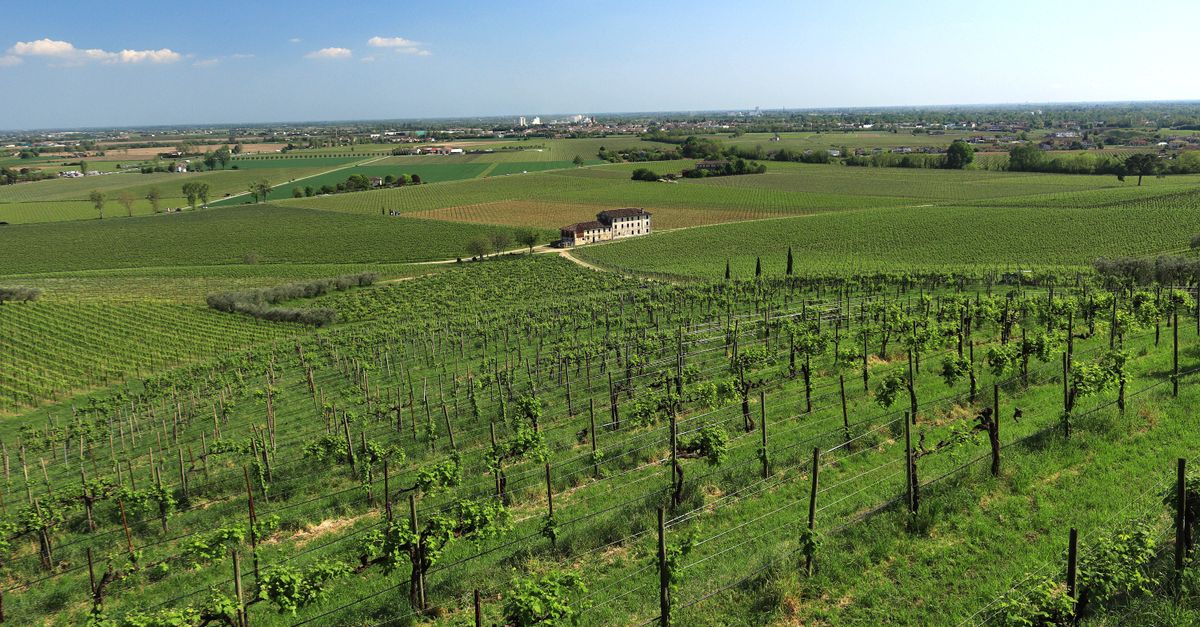
The sparkling wines led the charge, which won't surprise anyone who's been paying attention to English fizz over the last decade. The chalk and clay soils of Sussex and Kent, combined with the kind of marginal climate that makes grapes work harder, have produced sparkling wines that taste genuinely close to good Champagne in blind tastings. Hambledon, Nyetimber, Balfour, Wiston Estate: these aren't curiosities any more.
But I think the more interesting part of the 2026 result is that still wines also picked up medals. English still whites, particularly from aromatic varieties like Bacchus, have improved sharply. The 2022 and 2023 vintages were good growing years, and you can taste it. Some of the Bacchus coming out of the Crouch Valley and the Downs right now is genuinely lovely: dry, herby, with an acidity that makes it useful at the table in a way a lot of New World whites aren't.
Why This Moment Feels Different
There's been English wine hype before. It tends to peak around a good summer, get picked up by the broadsheets, and then quietly fade when the next vintage comes in lean and acidic. This run feels different for a few structural reasons.
One is that the vineyards are maturing. Most English wine vines were planted post-2000, and a lot of the serious investment happened between 2010 and 2018. Vines younger than fifteen years old are still finding their feet. Older vines produce smaller yields and more concentrated fruit. The industry is, slowly, getting to the age where the terroir starts to speak more clearly.
Another is winemaking knowledge. The early English sparkling producers hired Champagne-trained winemakers or sent their people to Champagne. That expertise has now been here long enough to adapt to English conditions rather than just replicate French methods. That's a subtle thing, but it matters.
And the IWC result in 2026 comes on the back of a genuinely good run at other competitions too. This isn't a one-off. WineGB's own data from 2024 showed English producers winning medals at eight major international competitions, more than in any previous year.
What to Actually Drink
If you want to understand what the fuss is about without spending Champagne money, here's where I'd start.
The entry point for English sparkling is around £18 to £22 from a decent wine merchant or direct from the winery. Bolney Estate and Stopham Estate both sit around that range and both punch well above it. If you want to go a bit higher, Wiston Estate's NV Brut around £32 is one of the best English sparklings I've had, and I'm not usually the type to say that without caveats. I've no caveat here. It's just really good.
For still wines, Albury Organic Vineyard in Surrey makes a Bacchus that I keep recommending to anyone who'll listen, around £20, bone dry, slightly elderflower-y, a bit green-herby. It's the kind of wine you bring to a summer BBQ and people ask where you got it.
And honestly, the best way to understand this is to taste it with someone who knows the wines. English wine producers have, in the last few years, got much better at running open weekends, harvest events, and guided tastings. If you've never been to a vineyard tasting in Sussex or Kent on a clear autumn day, it's one of the better ways to spend a Saturday. Sommly lists events from English producers and UK-focused wine educators throughout the year, so it's worth checking what's on near you, particularly in the summer months when the vineyards open up.
Is English Wine Worth the Price?
This is the one I go back and forth on. English sparkling wine is almost always more expensive than Champagne at the equivalent quality level, and that's a real problem. The economics are what they are: smaller volumes, higher land costs, a shorter growing season. A producer can't just price below Champagne and survive.
I lean towards thinking the premium is worth it for the best producers, maybe 60-40 yes, but I genuinely wobble when I'm standing in front of a shelf comparing a £35 English sparkling with a £28 grower Champagne. The English wine sometimes wins on blind tasting. The Champagne sometimes has more complexity. It's not a settled argument.
What the IWC result doesn't do is settle the price debate. What it does do is end the conversation about whether English wine is serious. That conversation should have ended a while ago, frankly.
The gold medal haul just makes it harder to pretend otherwise.