France's 2026 Harvest Looks Like the Worst in a Generation
The number doing the rounds this week is fifty percent. That is roughly how much of Champagne's normal output will not exist this year, according to reporting from Xinhua and NovaNews on September 7. Not a bad year. Not a tricky vintage. Half gone.
The broader French harvest is shaping up to be one of the smallest since the mid-1990s, and for anyone who buys French wine regularly, which in the UK is a lot of us, this is worth actually thinking through rather than skimming past.
What Happened
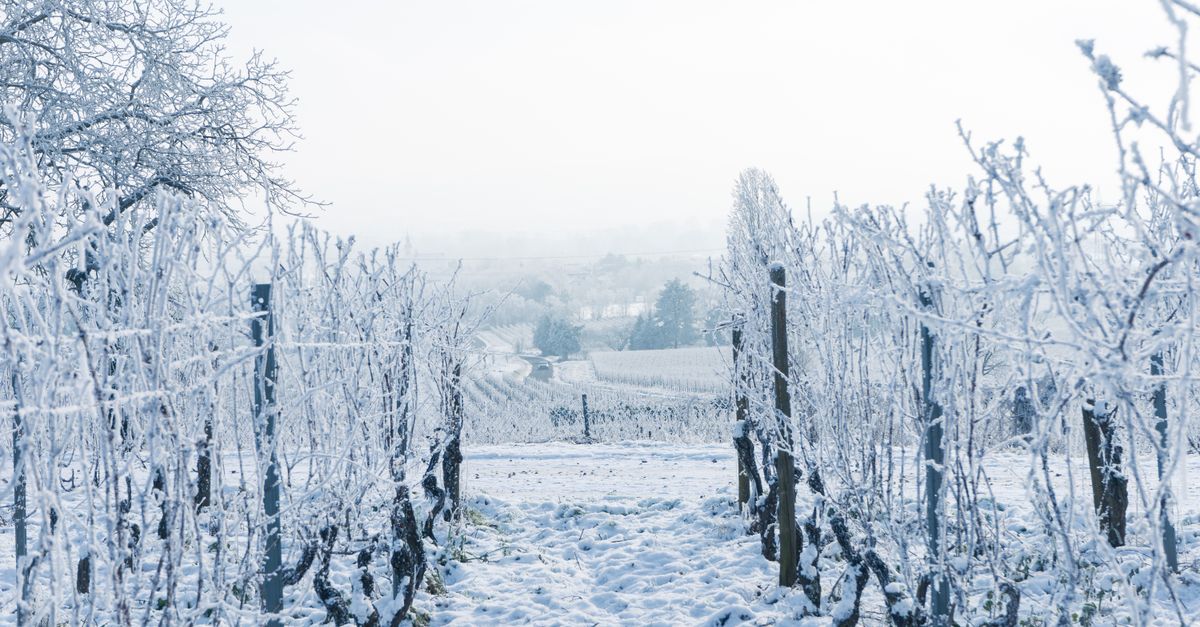
Spring frost, summer rain in the wrong places, mildew pressure across multiple regions. The usual culprits, arriving together and at scale. Burgundy has had a rough run of it lately, but Champagne taking a hit of this size is something different. The houses there carry reserve stocks specifically to buffer against bad years, so a truly catastrophic vintage doesn't necessarily mean empty shelves tomorrow. But those reserves are not bottomless, and two or three difficult years in a row tests them.
Bordeaux has also had challenges, though the picture there is patchier depending on which appellation you're in. The Atlantic climate gives the right bank and left bank different exposure, so while some properties will report serious losses, others may come through more intact. We won't have the full picture until harvest wraps up, probably mid-October.
What This Means for Prices
Short answer: up. Possibly quite a lot, over the next 18 to 24 months.
Champagne is where the squeeze will be felt first and most visibly. The big brands, Moet, Veuve Clicquot, Laurent-Perrier, have enough stock and financial muscle to manage the public-facing price relatively carefully in the short term. The smaller grower Champagnes, the kind you find at independent wine merchants and on the lists at good wine bars, are more exposed. Some growers will simply not have enough wine to fulfil all their export commitments. When supply drops like this, UK importers often end up allocating, which means your favourite small-production Blanc de Blancs from a Cramant grower might not be available at all rather than just being expensive.
Burgundy prices were already at a level that made a lot of people's eyes water. Another short harvest is not going to help. If you have been on the fence about buying a case of something specific from the 2023 or 2024 vintage while it's still on the shelf at its current price, the logic for doing it sooner has just got stronger.
For everyday drinking, the immediate effect on supermarket own-label French wine will probably be modest. Volume wines draw from large co-operatives with more buffer. The pinch comes at the £20 and above level, where you're buying more specific stuff from more specific places.
What to Actually Do About It
A few things worth considering.
Stock what you can now, if your finances allow. This is obvious advice but it's still good advice. Wine bought today at today's price is wine you're not paying next year's price for. The 2023 and 2024 French vintages, particularly in the Loire and Rhone, are drinking well and represent better value than they probably will in 12 months.
Look at regions that were less affected. Alsace had a difficult year too, but Southern Rhone held up better in parts. Languedoc, which doesn't get the attention its prices deserve, often sidesteps the worst of the northern frost damage. A good Faugeres or a Pic Saint-Loup from a serious producer can be genuinely lovely wine at a price point that Burgundy stopped being at around 2018.
Consider what the alternatives to Champagne actually are. I know this sounds like the kind of thing someone says at a dinner party and everyone ignores them, but English sparkling wine has had some genuinely good recent vintages, and the UK harvest news for 2026 is mixed rather than catastrophic (though BritFarmers reported on September 3 that it could be the smallest since 1984, which is its own separate concern). Crémant d'Alsace and Crémant de Bourgogne use the same method as Champagne, often from growers who take their wine seriously, at prices that still feel sane.
Talk to an independent merchant or importer rather than just ordering from a supermarket website. The people who actually import directly from French producers will know, right now, which allocations are being cut and which aren't. That knowledge is genuinely useful if you're planning for a wedding, a big celebration, or just want to make sure you have something decent in the rack for the next year. A lot of importers run trade tastings and consumer events that let you taste before you commit to a case. If you're in a city with an active independent scene, it's worth finding those events and getting in the room.
A Slightly Awkward Point About Grower Champagne
The grower Champagne trend has been building for a few years, with small producers from villages like Aube, Vertus, and Le Mesnil getting real attention from UK buyers who've grown tired of the big house blends. That enthusiasm is going to run into some friction. Small growers make small quantities, and a harvest that halves their output might halve what they can ship to the UK.
This doesn't mean the category dies. It means competition for the good bottles gets harder. The merchants who have long-standing direct relationships with specific growers will be able to get stock that others can't. If you've found a specific grower you love through a tasting or a recommendation, it's worth getting on their importer's mailing list now rather than in February when the allocations are already gone.
The Longer View
French wine has survived bad harvests before, many times. The 1991 frost was brutal. 2003 cooked parts of the south. Producers adapted, replanted where they had to, and kept going. The 2026 harvest will not be the end of anything. What it might be is a moment where wine drinkers who've relied on autopilot, same region, same producer, same price point, start paying more attention to what else is out there.
That's not a silver lining. It's just what tends to happen when the comfortable defaults get disrupted. Some of those discoveries turn out to be genuinely good, and you'd never have made them otherwise.
Whether that's any consolation when you're staring at a Champagne price tag that's gone up 30 percent, I genuinely don't know.