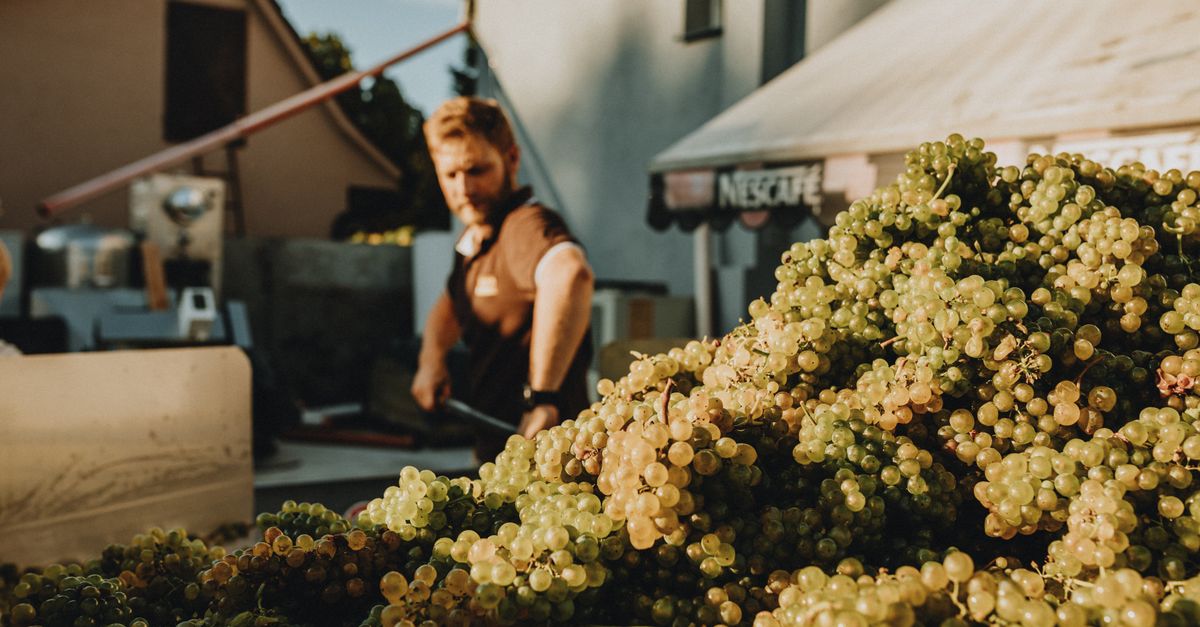
Franciacorta Starts Its Earliest Harvest on Record
The grapes in Franciacorta were already being picked in late July 2026. For a region that built its reputation on slow, cool ripening, that's a strange sentence to write.
Franciacorta sits in Lombardy, about an hour east of Milan, and it makes Italy's most serious sparkling wine. Not Prosecco-serious, which is a different thing entirely. The method here is the same as Champagne: secondary fermentation in bottle, extended lees ageing, the whole ceremony. Producers like Bellavista and Ca' del Bosco have spent decades arguing that their wines belong in conversation with Blanc de Blancs from the Marne. And by most accounts, they're right.
So when the harvest kicks off weeks ahead of schedule because of extreme heat, you pay attention.
What Actually Happened
The summer of 2026 across northern Italy has been brutal. Temperatures in Lombardy hit 40°C in mid-July and barely dipped at night. For a still wine region, that's stressful. For a sparkling wine region, it's a different kind of problem.
Franciacorta's base wines need acidity. High acidity, the sort that makes your mouth water and keeps the wine alive through two years of lees contact. That acidity comes from grapes that ripen slowly, in a climate cool enough to hold onto their malic acid. Push the harvest three or four weeks earlier because the grapes are racing ahead of themselves in the heat, and you're working with different raw material than the one your style is built on.
The Consorzio Franciacorta confirmed the 2026 harvest as the earliest since records began. They're being measured about it publicly, which is what you'd expect. Producers are talking about careful selection in the vineyard, picking by night, doing everything right. And I believe them. These are serious people who make serious wine.
But careful selection doesn't put the acidity back.
What It Means for the Wine in Your Glass
You probably won't taste the 2026 vintage for a while. Non-vintage Franciacorta spends at least 18 months on lees; vintage wines need 37 months minimum. So the damage, or the pleasant surprise, won't land on UK shelves until 2028 at the earliest.
What you might notice sooner is price pressure. When a harvest is stressful and volumes drop, and when producers have to make harder calls about which fruit makes the cut, costs go up. Franciacorta already trades at a premium in the UK. A bottle from Bellavista or Mosnel sitting at £35 to £50 is not unusual. If 2026 yields are down, that range will shift.
The more interesting question is what it means for Franciacorta's long-term identity. The region's pitch to the world has always been: we're the serious Italian sparkling. Pinot Nero, Chardonnay, a bit of Pinot Bianco. Classic varieties. Classic method. The climate made that possible. If the climate keeps changing at the current rate, the premise starts to wobble.
This Isn't Just a Franciacorta Story
The same dynamic is playing out across every cool-climate wine region that staked its identity on a particular temperature band. Champagne is harvesting earlier than it did twenty years ago. English sparkling wine producers in Sussex are dealing with vintages that look nothing like what they planned for when they planted in the 2000s. The Mosel had three consecutive difficult vintages between 2021 and 2023 because of late frost followed by summer heat spikes.
Winemakers are adapting, some more honestly than others. The adaptation that interests me most right now is the PIWI grape question, which is a whole separate conversation, but it keeps coming up in these climate discussions for a reason. Disease-resistant hybrid varieties need far fewer fungicide treatments and can handle heat stress better than classical varieties. A handful of German and Swiss producers are already commercialising them. Whether a region like Franciacorta, with a strict disciplinare governing which grapes are allowed, would ever permit them is a different matter. Probably not soon.
Why Any of This Matters If You're Drinking in the UK
Most UK drinkers don't have Franciacorta on their regular rotation. It's expensive enough that it tends to appear at birthdays and anniversaries rather than Tuesday evenings. But the people who do buy it tend to buy it because they want something more serious than Prosecco and slightly different from Champagne. A riper, rounder 2026 might actually suit some of those buyers. It might feel friendlier, less austere. Or it might miss the mark entirely.
The honest answer is: we don't know yet.
What this harvest does do is make the 2025 and 2024 Franciacortas more interesting to seek out now, before the 2026 wave arrives and changes the reference point. If you can find a 2022 or 2023 Satèn or Rosé from a smaller producer at a tasting, it's worth paying attention to what the acid structure feels like when the vintage was cooler. That's the style the region is aiming for. The 2026 will be a useful comparison in a couple of years.
Wine tastings and masterclasses are genuinely one of the better ways to track this kind of shift. A good educator will pull multiple vintages of the same wine to show you the difference rather than just describe it. If you're curious about Italian sparkling more broadly, Sommly lists events from importers and independent educators around the UK who do exactly that kind of comparative work.
What to Look For in the Meantime
If Franciacorta is new to you:
- Try a non-vintage Brut from Berlucchi, Ca' del Bosco, or Mosnel as a starting point. All three export to the UK and are reasonably findable.
- Satèn is the style made entirely from white grapes with slightly lower pressure than standard Franciacorta. It tends to be softer and a bit more accessible as a first glass.
- The Rosé expressions, usually Pinot Nero-heavy, show the earthier side of the region and can be a better match for food than the Blanc de Blancs-style Chardonnay versions.
- If you see a vintage-dated bottle from 2018 or 2019, buy it. Those were considered strong years before the recent run of hotter summers started complicating things.
The 2026 harvest being the earliest on record is, at minimum, a reason to pay closer attention to what Franciacorta producers say about that vintage when they eventually release their notes. Some will frame it as a triumph of careful farming. A few will be more candid about the trade-offs.
Those candid ones are usually making the more interesting wine anyway.