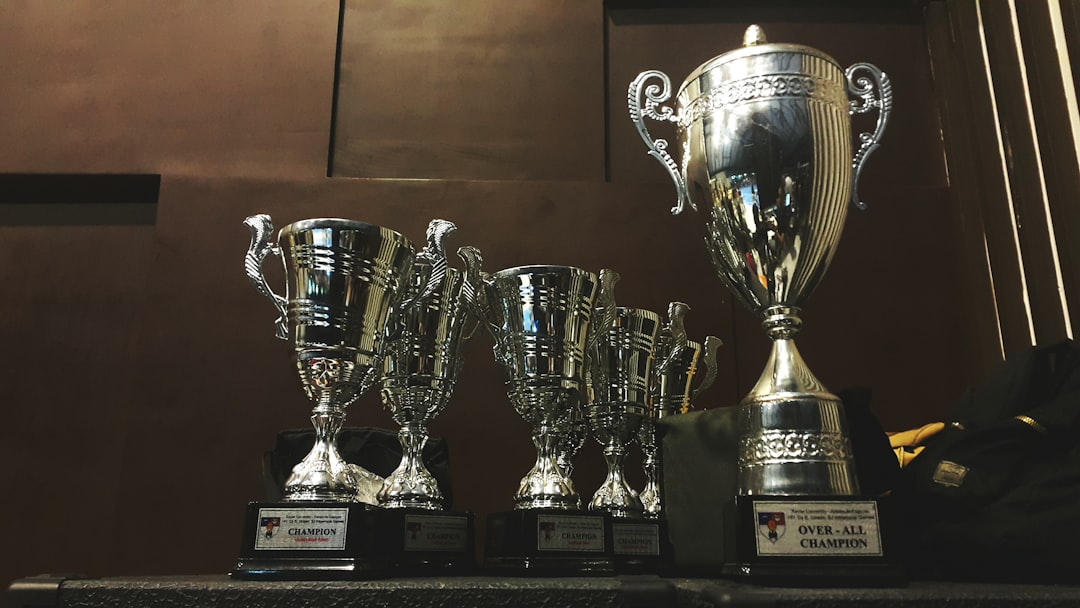
Langham Estate Wins Four Trophies at the 2026 WineGB Awards
Four trophies. One Dorset estate. That's not a good night at the WineGB Awards, that's a statement.
Langham Estate, tucked into the hills near Pamphill in the Stour Valley, took Supreme Champion at this year's WineGB Awards on July 20, 2026, along with three other top trophies. For anyone who's been watching English wine slowly build its case over the past decade, this feels less like a surprise and more like the confirmation of something that's been coming.
I'll be specific about why I think this matters, because it's easy to write "English wine is on the rise" and leave it at that. But Langham winning four trophies at a national competition, in a year when the competition includes producers from Sussex, Kent, and Cornwall, is a different kind of signal. Dorset isn't the first county you'd name if someone asked you to list English wine regions. It probably sits behind Sussex, Kent, and Hampshire in most people's mental rankings. That's worth examining.
What Langham Estate Actually Does
Langham has been making wine at Pamphill since 2009, when Justin and Shan Langham planted their first vines on a chalk and clay site that they'd spent a long time searching for. The estate is small by industrial standards, around 11 hectares, and the focus has always been on traditional method sparkling wine: Blanc de Blancs, Blanc de Noirs, and a rosé that keeps turning up on lists in London wine bars that care about what they're pouring.
The Supreme Champion award almost certainly came from one of the sparkling wines. WineGB competitions have historically skewed toward traditional method wines, partly because that's where English wine has staked its biggest claims, and partly because the judges at these events know what good English sparkling looks like by now. Getting four trophies in a single competition means the judges found multiple wines from the same producer convincing across different categories. That's not luck.
Why Dorset Keeps Getting Overlooked
The honest answer is geography and narrative. Sussex has the Downs, the chalk, the proximity to London, and a decade of good PR. Nyetimber (based partly in West Sussex) essentially built the English fine wine story single-handed through the late 1990s and 2000s. Kent has the heritage producers and the easy "garden of England" shorthand. Hampshire has Hambledon, which is old enough to carry weight.
Dorset doesn't have a single dominant name that pulled the rest of the county into the spotlight. It doesn't have a motorway running through it. The county produces some of the best dairy in England and a lot of tourists go there for the coast, not for wine.
But that might be changing. Langham's run at these awards is the kind of result that makes other producers in the county more visible by association, and it's the kind of result that gets buyers and sommeliers to start paying attention to a postcode they'd previously skipped.
What This Means for English Wine Styles
The WineGB Awards results as a whole showed something else worth noting. It wasn't just Langham. The range of producers picking up trophies and gold medals in 2026 suggests the spread of quality across England and Wales is genuinely widening. There are now serious wines coming from Essex (third largest UK wine county by planted area as of this year), Wiltshire, and even producers in Dorset beyond Langham itself.
Traditional method sparkling still dominates the top tier, but the still wine category has been slowly getting more competitive. English Pinot Noir remains the style I'm least sure about at most price points, but Bacchus from producers who know what they're doing (Westwell in Kent, a handful of Essex growers) is a more convincing argument for English still wine than it gets credit for.
Langham's success specifically says something about Dorset's terroir. Chalk and clay soils with decent elevation and a southerly aspect can produce sparkling wine base wines with the kind of natural acidity that doesn't need much intervention. It's the same logic that makes Champagne work, which is why the English producers who've sought out similar geology keep ending up in the conversation.
How to Actually Try Langham's Wines
The Langham wines are stocked in a reasonable number of independent wine shops in London, and the estate does sell direct. If you're in Dorset, they hold occasional open days at the vineyard, which are genuinely worth the effort if you want to understand why a specific patch of ground produces what it produces. Standing in a vineyard while someone explains the soil profile is a different experience from reading a tasting note, even a good one.
If you want to go further and put some context around what you're tasting, there are tastings and masterclasses running across the country right now that specifically cover English sparkling wine. Sommly lists those events, including the ones run by independent bottle shops and educators who can put Langham next to a Nyetimber next to a Wiston Estate and let you form an opinion through the glass rather than through someone else's score.
The Bigger Picture for English Wine in 2026
The WineGB Awards exist partly to give the trade a benchmark and partly to give consumers a shortlist. Four trophies for Langham is useful for both purposes. It tells a buyer that this producer is worth allocating shelf space to. It tells a consumer that if they haven't tried Langham yet, this is a reasonable moment to start.
But the awards also do something less obvious: they make the case for England as a wine region rather than a collection of individual estates. Every time a producer from outside the Sussex-Kent axis wins at this level, it adds a data point to a larger argument that English wine quality isn't concentrated in one corner of the country.
Whether Dorset becomes a named region in the way that Sussex has, with its own protected designation and a story that wine lovers can hold onto, I genuinely don't know. The planted area is still relatively small. Langham is still the name doing most of the heavy lifting. But after July 20, 2026, that name carries more weight than it did the day before.