New World Wines Beat France Again at Judgement+50
The Judgement of Paris happened fifty years ago, and French wine has never quite recovered its monopoly on the conversation.
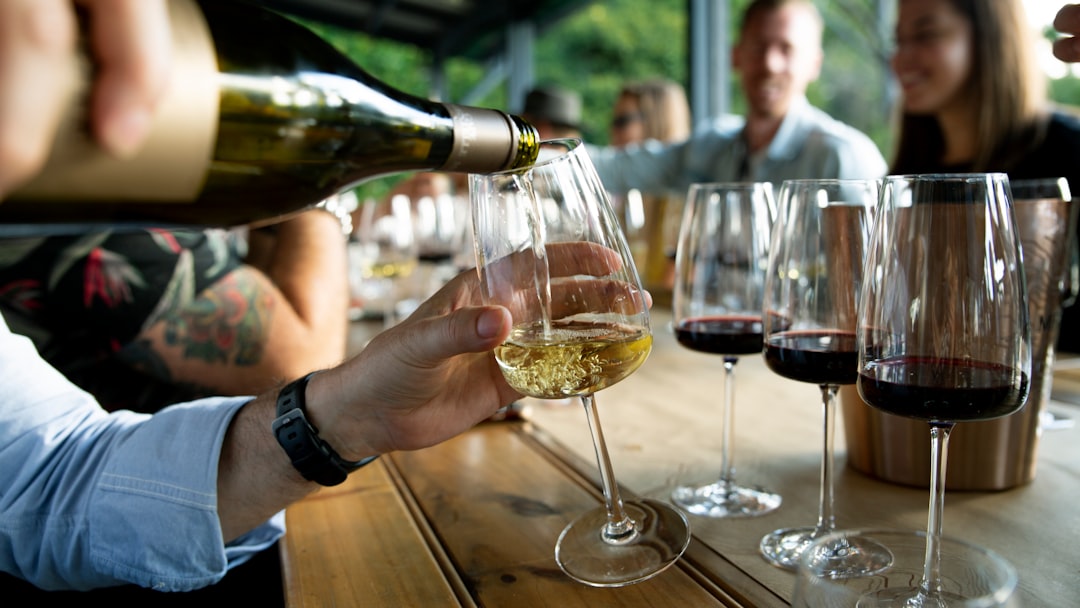
Last Wednesday, in London and several other cities simultaneously, a group of judges sat down for a blind tasting called Judgement+50, organised to mark that anniversary. A New Zealand Chardonnay took top spot in the whites. A South African red blend won the reds. Decanter covered the results on July 16th, and predictably the comment sections filled up with people either calling it a stunt or insisting it proved everything.
It proved something, at least.
What the Judgement of Paris Actually Was
If you've seen the film "Bottle Shock" or read George Taber's book, you know the bones of the story. In 1976, a British wine merchant called Steven Spurrier organised a blind tasting in Paris. California wines went up against French classics. The judges, all French, expected to pick their own country's bottles. They didn't. Stag's Leap Wine Cellars 1973 took the red category. Chateau Montelena 1973 took the whites. Spurrier got banned from the French wine press for a while. Taber, then a Time journalist, wrote the only English-language report and made the whole thing stick in history.
The point of the tasting wasn't that France makes bad wine. It's that prestige and quality aren't the same thing, and blind conditions are the only honest way to separate them.
What Judgement+50 Found
Fifty years on, the organisers ran essentially the same experiment at scale. Blind conditions, serious judges, wines from multiple regions entered without labels. The New Zealand Chardonnay that won the whites hasn't been named in the sources I've seen yet, which is annoying, but the South African red blend taking the top red spot is the more interesting result to me.
South Africa doesn't get talked about enough in UK wine circles. The Cape has producers doing genuinely ambitious work with Grenache, Cinsault, and blends that borrow more from the southern Rhône than from Bordeaux, and at prices that would get you a fairly average Côtes du Rhône over here. The fact that one of those blends beat out whatever Old World competition was in the glass at Judgement+50 is the kind of data point worth filing away.
New Zealand Chardonnay winning is less of a shock if you've been paying attention. Burgundy producers have spent the last decade or so pointing out that Marlborough Sauvignon Blanc is "the thing New Zealand does," which is true, but it's also a way of dismissing the Chardonnays from places like Martinborough, Hawke's Bay, and Central Otago that have been getting very good at restraint. Less oak, more texture, longer on the palate. The style has shifted.
Whether Blind Tastings Actually Mean Anything
Here's where I'll be honest: I go back and forth on this.
On one hand, blind tastings strip out the noise. You can't unconsciously favour a label you recognise, a region you've visited, a producer whose story you find romantic. The wine has to do the work in the glass. For that reason alone, results like Judgement+50 are worth taking seriously.
On the other hand, a single tasting is a single tasting. The same wines on a different day, with different judges, in a different order, might rank differently. Wine is variable in a way that a lot of people underestimate. The bottle you open matters. The temperature it was served at matters. What the judges ate for lunch matters.
And then there's the question of what "winning" a blind tasting actually tells you about whether you'll enjoy drinking the wine. Wines that score highest in competition conditions tend to be big, expressive, immediately impressive. Wines that are more subtle or food-dependent often underperform. That's not a flaw in those wines.
So I wouldn't say Judgement+50 proves New World wine is objectively better than French wine. What it does do, again, is show that the gap people assumed existed for most of the 20th century has closed, and in some categories reversed.
What This Might Change for How You Buy Wine
Probably not much, if you already buy by taste rather than label. But if you've been defaulting to Burgundy because it feels like the safe answer for whites, or to Bordeaux because it sounds serious at a dinner table, Judgement+50 is a decent prompt to try something different.
A few directions worth considering:
-
South African red blends, particularly anything from producers in Swartland, are often £15 to £25 for quality that would cost you twice that from the Rhône. Look for Grenache-led blends rather than the Pinotage-heavy bottles that put a lot of people off the Cape in the 1990s.
-
New Zealand Chardonnay from Hawke's Bay or Martinborough rather than Marlborough. The Marlborough ones are fine but they tend toward the obvious. The others have more going on.
-
If you want to stick with France but feel like the blind tasting results sting a little, white Burgundy is still doing extraordinary things at the village level. The 1er Cru prices are now absurd, but a decent Mâcon-Villages or Saint-Véran from a careful producer is hard to argue with at £16 to £20.
The Deeper Point
Events like Judgement+50 do something useful beyond the results themselves. They remind people that wine is a drink, not a credential system.
The original 1976 tasting upset people because it threatened a hierarchy that had been commercially very convenient for a long time. A bottle being French didn't automatically mean it was better, and that was uncomfortable. Fifty years later, most serious wine drinkers know that already, but the hierarchy still operates quietly in restaurant wine lists and office party orders and the vague feeling that you should ask for the French one.
Blind tastings push back on that. So do the people running independent tastings, bottle shop events, and wine courses in cities around the UK, where you're encouraged to trust your own palate rather than defer to a label. If you haven't been to a producer-led tasting or a structured blind tasting session with a decent educator, it's worth doing once. The experience of not knowing what's in the glass and having to actually form an opinion about it changes how you drink wine afterwards.
Sommly lists those kinds of events, if you're looking for somewhere to start.
The Judgement of Paris made the wine world uncomfortable in 1976. Judgement+50 has done the same thing again, more quietly, and probably the same people are annoyed about it.