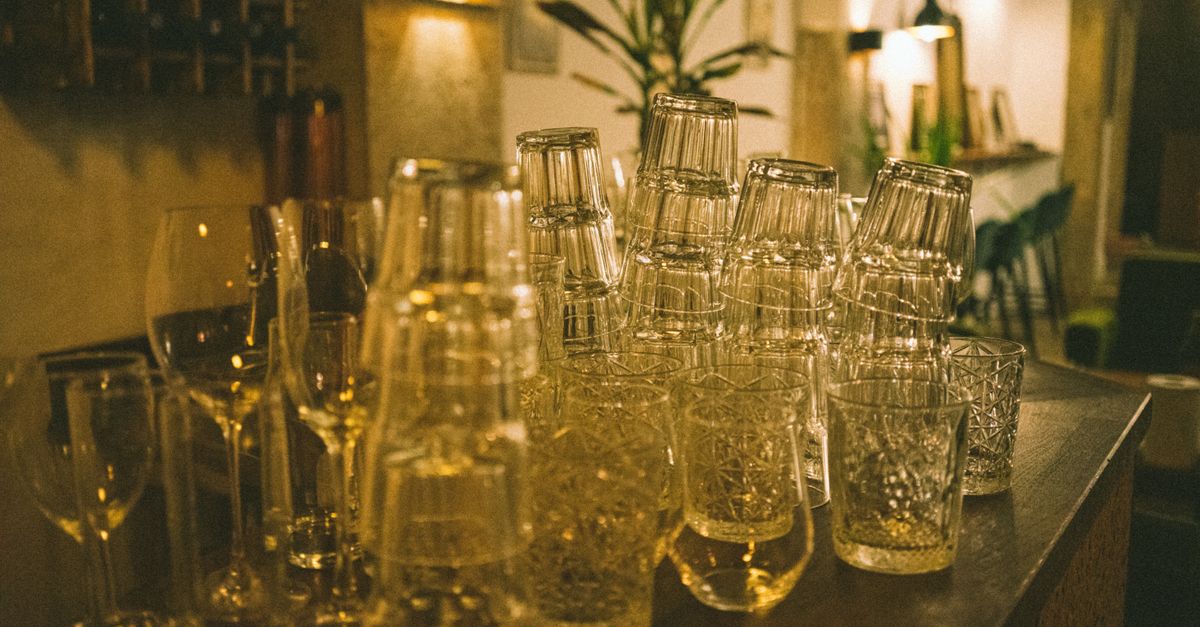
Sova Opens in Notting Hill
A wine bar built around Georgian amber, Slovak Riesling, and Slovenian orange is about to open on one of London's most famous streets, and honestly, the timing feels right.
Sova - landing in Notting Hill at the end of March 2026 - is one of those openings that makes you stop and think about how much the city's drinking culture has shifted in the last few years. Eastern and Central European wines on a proper list, not as a quirky footnote underneath the Burgundies, but as the whole point. That's still relatively rare. And it matters more than it might seem.
Why Eastern and Central European Wine Deserves Your Attention
Look, there's a version of this conversation that gets very geeky very quickly, and I'll try not to go there. But the short version is this: countries like Georgia, Slovenia, Slovakia, Croatia, and Hungary have been making wine for centuries - in some cases, millennia - using methods that the natural wine movement in the West has spent years trying to rediscover.
Georgia's qvevri tradition, where wine ferments and ages in clay vessels buried in the ground, predates French oak barrels by about six thousand years. Six thousand. Slovenia has been producing elegant, skin-contact whites from the Brda region that share a border (and a lot of winemaking philosophy) with Friuli in Italy. Hungary's Tokaj is one of the oldest classified wine regions in the world - it got its official classification in 1730, almost a full century before Bordeaux.
These aren't obscure curiosities. They're legitimate, serious wine cultures that have been unfairly pushed to the margins of the UK market for a long time.
The Problem Has Always Been Access
The difficulty isn't quality. The difficulty is visibility.
Walk into a standard wine merchant or supermarket and you'll find the usual suspects - French, Italian, Spanish, New World - arranged with the confidence of things that have always been there. Eastern European wines tend to appear, if at all, as a single shelf, a bit bashful, without much context. And context is everything with wines like these, because they often look and taste different to what most people expect wine to look and taste like. An amber Georgian wine from Rkatsiteli can be tannic, complex, and deeply unusual in the best possible way, but if you've never had one explained to you, it's easy to assume you've done something wrong.
That's where places like Sova become genuinely important. A bar with a focused list and staff who actually know and care about the stuff they're pouring is one of the best ways to close that gap.
What Sova Getting This Right Could Mean
The Notting Hill location is interesting. It's not Bermondsey or Hackney, where this kind of wine has already found its crowd. Notting Hill brings a different audience - people who might be wine-curious but haven't necessarily spent Saturday afternoons at natural wine fairs. If Sova can make Georgian amber and Slovak Riesling feel welcoming rather than intimidating, it does something useful for the whole category.
There's a version of wine snobbery that exists in specialist circles too, by the way. The assumption that if you don't already know your Mtsvane from your Furmint, you probably shouldn't be here. I find that exhausting, and I suspect most people do. The best wine experiences I've had have been with someone who's genuinely excited to share what they know, not someone testing whether you already know it.
The early signs from Sova suggest it's aiming for the former.
The Broader Trend in London Wine Culture
Sova isn't happening in isolation. London has seen a steady drift toward more specialist, region-focused wine bars over the past few years - places that pick a lane and commit to it properly. You've got bars centred around grower Champagne, others focused entirely on natural wine, some built around a single country. The model works because it gives people a reason to come back and go deeper rather than just ticking a box.
Eastern and Central European wine is particularly well-suited to this format because the learning curve is genuinely interesting. There's always more to discover. The grape varieties alone - Blaufränkisch, Grüner Veltliner, Welschriesling, Saperavi, Plavac Mali - are enough to keep a curious person busy for years.
If You Want to Actually Learn This Stuff
Reading about wine gets you some of the way there. Tasting it gets you the rest.
The single most useful thing you can do if Sova (or any specialist bar) has sparked your interest in Eastern and Central European wine is to find a tasting or event where someone walks you through it properly. A tutored tasting - even an informal one at a bottle shop or importer - gives you reference points that stick in a way that reading tasting notes never quite does. You remember the moment you first tasted a Tokaji Aszú properly explained, not the paragraph you read about it.
Importers who specialise in this part of the world often run their own events, and independent wine bars frequently host regional evenings or masterclasses built around a specific country. These are usually small, relaxed, and run by people who are properly obsessed with what they're pouring. Sommly lists exactly these kinds of events - tastings, masterclasses, supper clubs - from independent bars and educators around the UK, which is worth knowing if you're trying to find somewhere to start rather than wander in cold.
A Few Things Worth Looking For
If you're planning to visit Sova or explore this region more generally, a handful of things are worth keeping in mind.
Skin-contact wines (sometimes called orange wines) are common here, especially from Georgia and Slovenia. They're made from white grapes but fermented with the skins, which gives them more tannin, more texture, and often an amber colour. They're not faulty. They're supposed to taste like that.
Furmint from Hungary's Tokaj region is one of the most underrated white grapes on the planet. It can be bone dry or lusciously sweet, and either version is worth your time.
Blaufränkisch from Austria and Slovakia is a red worth knowing - it's got real freshness and spice, and it makes the case that Central Europe does reds just as well as whites.
And if someone offers you something from a qvevri, say yes.
A Good Moment to Pay Attention
London gets new wine bars fairly regularly. Most of them are perfectly nice. Sova feels like it's trying to do something a bit more specific - to take a category of wine that deserves serious attention and give it a proper home in a part of the city that doesn't usually encounter it.
That's not a small thing. And if it goes well, it might encourage more of it.
Worth keeping an eye on.