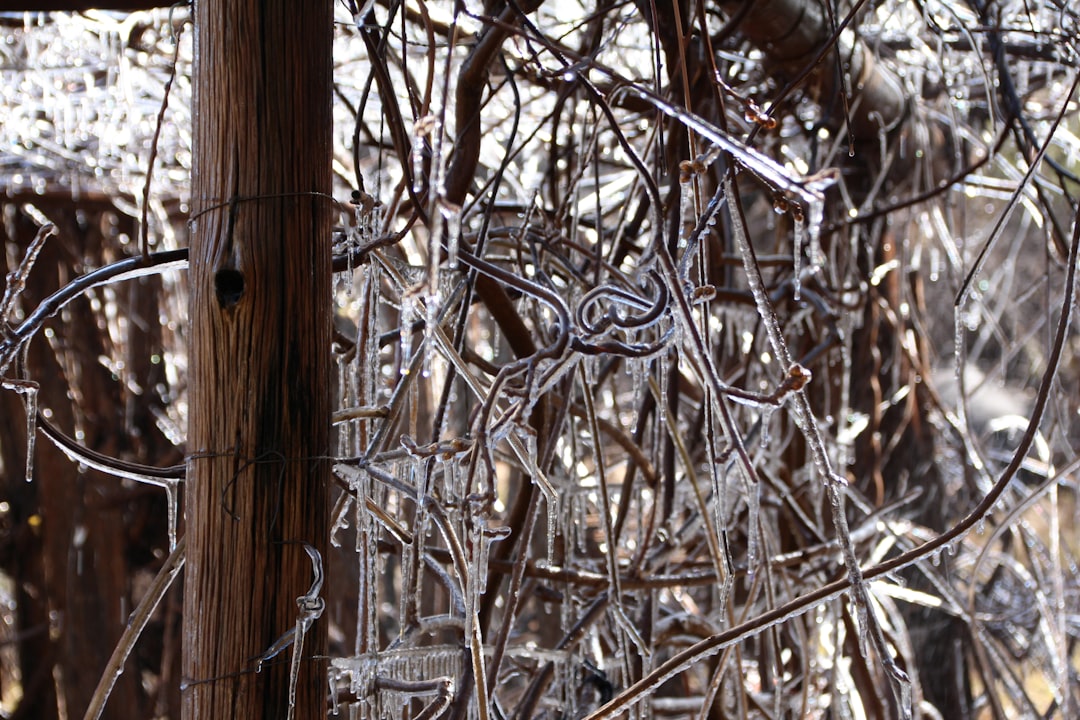
Spring Frosts Hit English Vineyards, Threatening 2026 Harvest
Somewhere in the Weald right now, a vineyard manager is walking rows of vines and doing the maths on how bad this actually is.
The answer, based on reports from Wine Business on May 26, is: pretty bad. English wineries have been hit by what growers are calling "severe" frosts across multiple sites at exactly the wrong moment, budburst, when the young green shoots are at their most exposed and there's nothing you can do except watch.
This isn't a one-off cold snap. The frosts have come back repeatedly over the past few weeks, and that pattern is what's worrying people. A single frost event can cost a producer a portion of their crop. Repeated frosts at this stage can gut a vintage.
Why Budburst Frost Is So Damaging
Once a vine has budded, the new growth has no protection. The tissue is soft, the shoots are small, and temperatures just a few degrees below zero for even a few hours can kill them outright. The vine will often push secondary buds after the primary ones are destroyed, but secondary buds produce less fruit and, usually, lower sugar levels. So even if the vines recover visually, the grapes that result are not the same grapes you'd have got from a clean spring.
English viticulture already operates close to the edge on ripeness. The country's vineyards sit at the northern boundary of what's commercially viable for growing wine grapes, and cool wet years are always a risk. A spring like this one doesn't just reduce quantity. It applies pressure to quality across the board.
For sparkling producers, who make up the majority of the serious English wine industry, the timing matters enormously. Base wines for traditional method sparkling need a particular balance of sugar and acid, and frost damage at budburst can skew that balance in ways that are hard to correct in the winery.
Who Gets Hit Hardest
Kent, Sussex, and Essex tend to have the densest concentration of commercial English vineyards, so they're where the headlines come from when things go wrong. But frost in a cold spring doesn't respect county lines. Reports from Wine Business suggest the damage is spread across England rather than contained to one region.
There's a cruel irony here given the timing. Essex's Crouch Valley was written up by the Guardian just two days ago (May 24) as one of the UK's most exciting emerging regions, attracting attention from French winemakers and building a real reputation for still wines. A vintage like 2026 could dent that momentum. Or, if producers there manage the losses well and the summer comes good, it might not. That's the thing about farming: the year isn't over until it's over.
Smaller, newer estates are in a tighter spot than established producers. If you've just planted and you're only starting to get commercial volumes from your vines, losing half a crop in year three or four is a serious financial problem. A bad harvest is the least of it.
What This Means If You're Buying English Wine
A few practical things worth knowing:
- Releases of 2026 English wines will likely be smaller than usual. If you're following a producer whose wines sell out, get on their mailing list now. Don't wait until the wine ships.
- Prices may go up on the 2026 vintage. With less wine to sell, some producers will either reduce allocations or adjust pricing. That's not profiteering, it's arithmetic.
- 2025 and earlier vintages from English producers are worth stocking up on while they're available. The 2023 and 2024 seasons were both reasonably kind to English growers, and there's good wine out there right now.
- Sparkling wines from England typically spend one to three years on lees before disgorgement, so the 2026 frost damage won't affect bottles on shelves today. You're probably looking at releases in 2028 or 2029 before you see the effect in a glass.
The Bigger Picture
English wine has had a complicated few years. The industry has been growing steadily, planting has accelerated, and the reputation of the best producers has genuinely shifted internationally. The London Wine Fair, which wrapped up this week, reported an 8.2% rise in visitors and a fivefold increase in English wine exhibitors since the pandemic lows. That's not noise. The sector has real momentum.
And then spring comes and reminds everyone that winemaking is farming first, and farming is indifferent to momentum.
I don't know yet how serious the 2026 damage really is. The reports say "severe" but that word covers a wide range of outcomes, and some of the affected vineyards may recover better than expected if the summer is warm and long. What I'd watch for is producer communications over the next few weeks. The growers who are honest about what they've lost and what they expect from the season will tell you a lot, and those are usually the producers worth paying attention to anyway.
Getting Closer to the People Making It
One thing that genuinely changes how you think about vintages like this is knowing the people behind the bottles. Not in a folksy marketing way, but in the sense of having heard a winemaker talk through why they made the decisions they made in a difficult year.
A lot of independent wine bars, bottle shops, and importers in the UK run tastings and masterclasses specifically around English wine, and several bring in the growers themselves. If there's an event near you focused on English sparkling or English still wine in the next few months, the question of what happened in spring 2026 is going to be sitting right at the centre of every conversation. That's a more interesting glass of wine to drink than one you know nothing about.
Sommly lists those events across the UK, from trade importers doing informal tastings to evening classes run by small bottle shops that have direct relationships with Sussex and Kent producers. Worth a look, particularly right now when the story of this vintage is still being written.
The frost may or may not define what ends up in your glass two years from now. But the people affected by it are working through the consequences today, and that's worth knowing about.