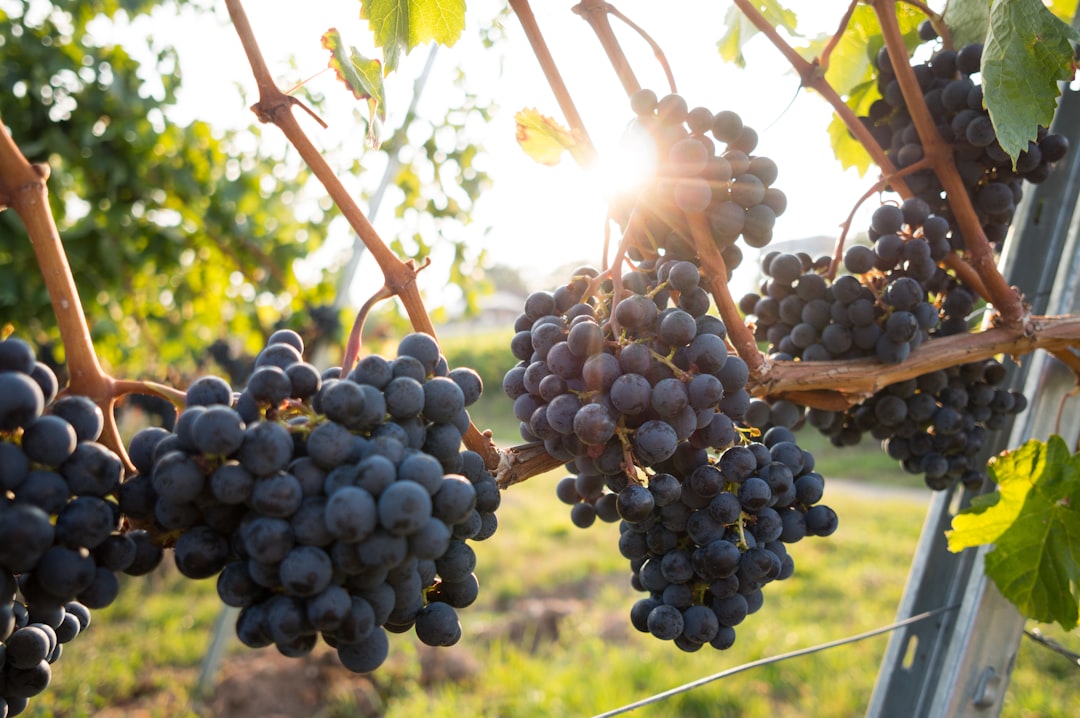
The 2026 Harvest Starts Early Across the Northern Hemisphere
Grapes are coming off the vine in August. Not late August in a warm year, the kind you'd shrug at. August, full stop, in regions that historically picked in October.
wine.co.za reported on August 23rd that 2026 is shaping up to be one of the earliest harvests on record across the northern hemisphere, with producers in France, Germany, Spain, and parts of the US pulling fruit weeks ahead of their usual windows. Some Champagne houses reportedly started picking in the first week of August. For context, the average Champagne harvest date has shifted forward by about two weeks since the 1970s, and 2026 seems to be pushing that further still.
This matters to you as a wine drinker, though not always in the ways the headlines suggest.
What an early harvest actually means for the wine
Early is not automatically bad. The question is whether the grapes have had time to develop flavour alongside sugar, and that depends on how spring and summer went before the heat spike that forced the early pick.
From what's being reported, 2026 had a warm but relatively dry summer across much of France and northern Spain. That can produce concentrated fruit with good structure, but it can also tip into over-ripeness if the heat arrives too fast at the end. Winemakers who picked early and decisively will likely have made fresher, more lifted wines. Those who waited, hoping for more hang time, may have lost the plot a bit.
Germany is the one to watch. Riesling is naturally high-acid and tends to handle warm years well when yields are managed sensibly. If the Mosel and Rheingau producers picked at the right moment in 2026, you might see some unusually rich Spatlesen that still have the nerve and brightness the grape is known for.
Champagne is harder to read right now. The base wines from an early, hot year can taste oddly flat when they're young, then open up during the long secondary fermentation. We won't know how 2026 base wines are actually performing until the non-vintage blends hit shelves in 2028 or 2029. Any "2026 vintage Champagne" you see declared in the next year is a producer making a bet on fruit that's barely had time to settle.
The climate change question (which is the real story here)
I'm going to say something that might be slightly unpopular: I think the wine industry has been too slow to say plainly that the classic vintage maps are becoming less useful.
The guides that tell you "1996 Burgundy, buy it", "2003, approach with caution", those were built on a world where vintage variation was about rain and frost, not structural heat shifts that move the entire calendar forward. The 2026 harvest news is not a one-off anomaly. It's the fifth or sixth early harvest in a decade, depending on the region. At some point, "early" stops being the exception and becomes the new baseline.
What that means practically: the wines coming out of France and Germany over the next five years will taste different from the ones your parents drank, not dramatically different, but perceptibly so. Higher alcohol, slightly lower acid in some cases, riper fruit characters, and a vintage calendar that makes less and less sense to anyone using a guide written before 2015.
English wine, oddly, may benefit from this more than any other. Sussex and Kent are now regularly achieving ripeness levels that were unreliable even ten years ago. Wiston Estate, Gusbourne, Tillingham, these producers are not making do with marginal fruit anymore. And if French and German classics start losing some of their traditional character to heat, the argument for English alternatives gets stronger by the year.
What to do with this as a buyer
If you're planning to buy 2026 wines, a few things are worth keeping in mind.
Whites from the Loire, particularly Muscadet and Sancerre, can struggle in very hot years. The acidity that makes them work tends to drop when temperatures spike at the end of the season. I'd be cautious about 2026 Muscadet in particular until you see some reviews from people who've actually tasted the finished wines.
Red Burgundy from a warm year is often more approachable young than usual, which sounds like a good thing and sometimes is. But if you're buying Burgundy because you want the savoury, earthy complexity that comes with proper bottle age, a ripe early-harvest year sometimes short-circuits that. You get jam where you wanted forest floor.
Alsace is a safer bet in hot years than most people assume. The Vosges mountains give enough elevation and diurnal temperature swing that the whites tend to hold their freshness better than their latitude would suggest. I'd be looking at 2026 Alsace Riesling and Pinot Gris with some optimism.
Spanish reds, Rioja especially, often thrive in early harvest years. The producers have centuries of experience with heat and know how to manage it. A warm 2026 Rioja Crianza might be a genuinely good value buy in 18 months' time.
How to actually learn to read vintages
The honest answer is that reading about vintages online is pretty limited. The same harvest that was "difficult" for one producer was handled brilliantly by their neighbour who picked a week earlier or farms at higher altitude. You only start to understand this through tasting, side by side, across different producers and different years.
This is where a good masterclass or tasting event earns its money. A producer dinner where the winemaker walks you through three vintages of the same wine, and explains the decisions they made each year, will teach you more than a month of reading vintage charts. That's not me making a pitch, it's just genuinely how the knowledge sticks.
Sommly has events from importers and independent bottle shops where this kind of comparative tasting happens regularly, often for less than you'd spend on a bottle of something decent. If the 2026 harvest news has made you curious about how climate shapes what's in the glass, a structured tasting is a reasonable place to start.
The 2026 vintage will take years to fully understand. Some of it will be disappointing and some of it will be genuinely good, and we won't know which is which for a while yet. That uncertainty is, annoyingly, part of what makes wine worth paying attention to.