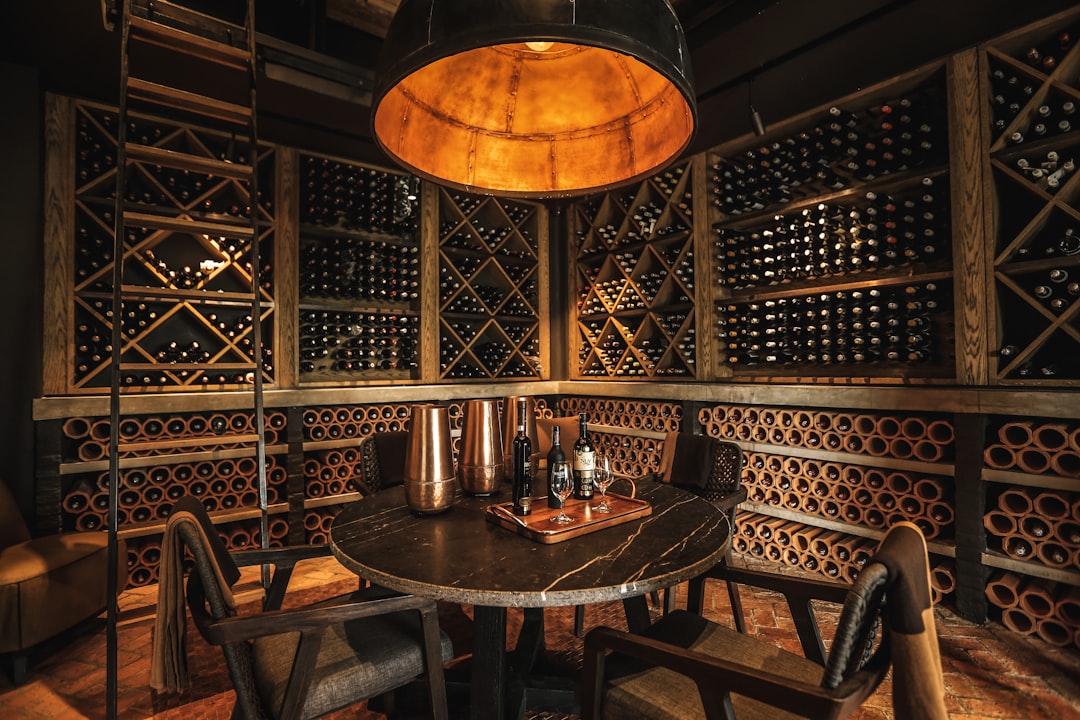
The Sloane Club Opens a Wine Bar in Chelsea
104 years of members-only evenings, and now anyone can walk in off the King's Road and order a glass of natural wine.
The Sloane Club - one of Chelsea's oldest private members' clubs - announced this week that it's opening its first public wine bar, making it accessible in a way it simply hasn't been in its entire history. On the surface, that might read as a minor London hospitality story. But sit with it for a moment, because something genuinely interesting is happening here, and it's bigger than one club deciding to unlock its front door.
What's Actually Happening at the Sloane Club
The club, which has operated quietly and privately since 1922 (think wood-panelled rooms, discretion, the kind of place where you needed to know someone), is launching a wine bar that focuses on low-intervention wines. That's the detail worth paying attention to. They didn't open a cocktail bar. They didn't go all-day brunch. They went specifically for natural wine, which tells you a lot about where the demand is right now, and who they're trying to attract.
Low-intervention wine - the broad, sometimes contentious category that covers natural, biodynamic, and orange wines - has spent years being the domain of small bottle shops in Hackney and Peckham. The fact that it's now the chosen identity for a venue pivoting from century-old exclusivity is a fairly significant cultural signal.
The Shift from Exclusive to Approachable
There's a pattern worth naming here. Fine wine in the UK has historically lived behind two kinds of doors: the members' club door, and the intimidating-wine-merchant door. Both required either a certain social standing or a confidence about wine that most people don't have and shouldn't need.
What's been quietly happening over the last few years - and the Sloane Club's move feels like a crystallising moment for it - is that the most interesting wine experiences are deliberately pulling away from that gatekeeping. Not dumbing anything down. Just removing the unnecessary friction.
Honestly, this is something I think about a lot with Sommly. The people who come to wine tastings and masterclasses through the platform aren't all seasoned collectors or people who can pronounce Grüner Veltliner without hesitating. They're curious. They want a good evening out, and they happen to want to learn something while they're at it. That's the audience that venues like the new Sloane Club wine bar are now actively courting.
Why Low-Intervention Wine Is at the Centre of This
It's not accidental that the Sloane Club specifically chose natural and low-intervention wines as its focus. There are a few things converging.
Younger drinkers in the UK are genuinely more interested in where their wine comes from, how it was made, and what the producer's relationship with the land looks like. This isn't performative - or at least it isn't only performative - it reflects a broader shift in how people think about what they consume. The regenerative viticulture movement is gaining real momentum globally (Wine Business covered it just this week), and that ethos has a natural home in the low-intervention wine world. Drinkers who care about one tend to care about the other.
Low-intervention wine also gives venues a distinct identity. It's a choice that signals something specific: a list like that says something about taste, and about what kind of room you want to be. For a club trying to reintroduce itself to a new generation of Londoners, that's a smart position to take.
What "Low-Intervention" Actually Means in Practice
Since this term gets thrown around loosely, it's worth a quick grounding. Low-intervention winemaking generally means minimal additions in the cellar - little or no added sulphites, no fining agents, no manipulation of the must. The grapes do most of the work. Natural wine sits at one end of this spectrum, biodynamic wine involves specific farming practices tied to lunar cycles and soil health, and orange wine (white wine made with extended skin contact) is more a style than a philosophy, though it frequently appears alongside the others.
The results can be extraordinary. They can also be unpredictable in ways that conventional wine isn't, which is part of why they reward discovery through someone knowledgeable - a good host at a tasting, a trusted bottle shop owner, an educator who can tell you what to expect and why it's worth it.
What This Means If You're a Wine Lover in London
A few things are probably worth taking from this moment.
Get curious about the venues that are making similar moves. The Sloane Club isn't alone. Across London (and increasingly in Manchester, Bristol, Edinburgh, and other cities), independent wine bars and bottle shops are building programmes around low-intervention producers and running events specifically designed to help people understand what they're drinking. These aren't intimidating experiences. They're usually the opposite.
Tastings are a genuinely good way to get into natural wine. Because natural wines can be polarising and variable, trying them with guidance makes a real difference. A structured tasting at a local importer or wine bar, where someone can walk you through a skin-contact Ribolla Gialla or a pét-nat from the Jura, is a very different experience from grabbing something off a shelf and hoping for the best. Sommly lists exactly these kinds of events, run by independent educators and importers across the UK, if you're looking for somewhere to start.
The geography of good wine experiences is expanding. The Sloane Club is in Chelsea, which is not historically known as the centre of the natural wine scene - that's been east London's territory for years. But interesting wine is spreading outward from its usual enclaves, which is genuinely good news.
The Broader Question
Here's what I'm still sitting with, though. Opening a wine bar in a private members' club is, structurally, still a fairly London-specific opportunity. The shift toward approachable, curious, low-intervention wine culture is real and growing - but access to it is still unevenly distributed across the UK.
The solution isn't more Sloane Clubs. It's more of the small, independent wine bars and importers who've been doing this quietly for years, finally getting found by the people who'd love them. That's the bit I genuinely believe in - that the events and the expertise are already out there. It's the discovery piece that's often missing.
The Sloane Club's move is a good sign. Hm. Sometimes a 104-year-old institution unlocking its doors tells you something important about which direction everything is moving.