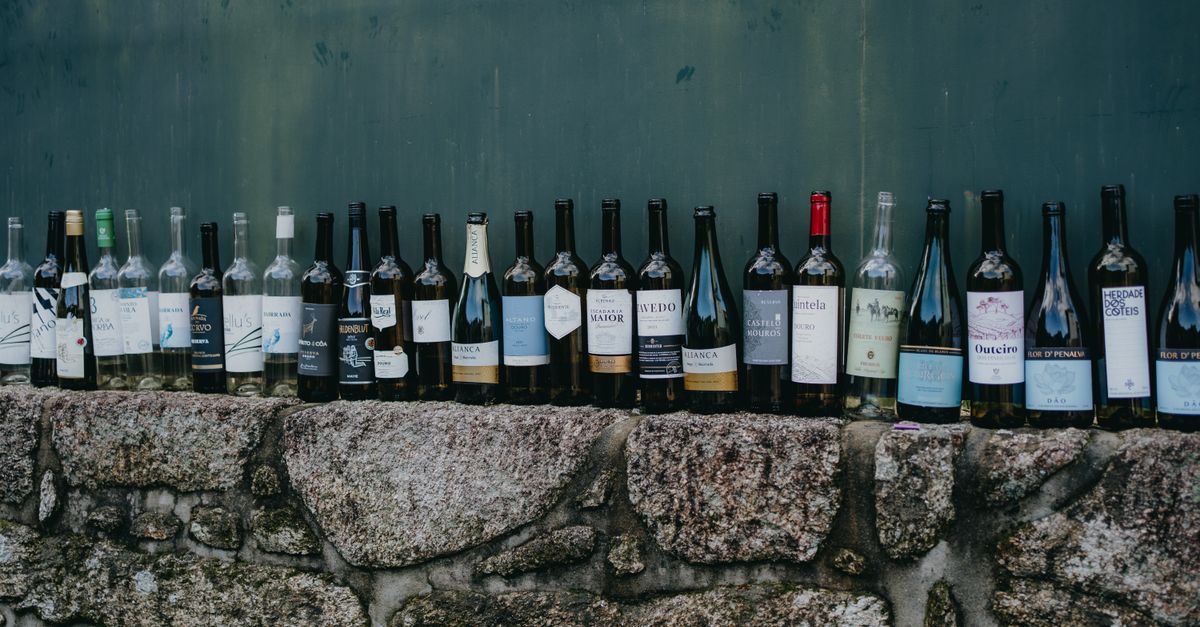
The Wine Society Launches Its "High Intention" Collection
Sustainable wine is one of those categories that sounds brilliant in theory and becomes quietly maddening in practice.
The Wine Society launched their "High Intention" sustainable wine collection on April 20th, and honestly, my first reaction was something like finally, someone is doing the legwork. Because the problem with sustainable wine has never been a shortage of bottles claiming to be good for the planet - it's been knowing which ones actually mean it.
The Label Problem Nobody Wants to Admit
Walk into any decent wine shop right now and you'll find bottles covered in little green logos, phrases like "sustainably farmed" or "low-intervention," and vague gestures toward environmental responsibility. Some of these wines are the real thing. Some are, politely speaking, not. The trouble is that without spending an hour researching each certification body - and there are a lot of them, from organic to biodynamic to various country-specific schemes - you're mostly just guessing.
This is what makes The Wine Society's move interesting. They've done the vetting for you. The "High Intention" collection goes further than certification badges: the Society has assessed every bottle across a range of ethical and environmental criteria. The idea being that you can pick something from the list and trust that the claims behind it have actually been checked.
Hm. Whether that trust is fully warranted is worth thinking about carefully.
What "High Intention" Actually Signals
The name itself is doing some work here. "High Intention" rather than, say, "certified sustainable" or "verified green" - it's deliberately softer language, and I think that's honest rather than evasive. The wine world's certification landscape is genuinely fragmented. Organic certification means something specific. Biodynamic means something specific. But "sustainable" as a standalone term is so broad it barely functions as information.
By calling it "High Intention," The Wine Society seems to be acknowledging that this is a rigorous shortlist rather than a guarantee of perfection. A curated act of editorial judgment, essentially.
That matters, because editorial judgment - when it's done properly - is actually quite valuable.
Why This Lands Now
There's a broader shift happening in how UK wine drinkers are thinking about their purchases. Conservation wines from California are currently making their UK debut, the kind of bottles where a direct cut of the sale price funds wildlife preservation programmes. The idea of wine-as-cause is gaining real traction. People want their spending to reflect something.
But wanting to buy ethically and knowing how to buy ethically are different things. The Wine Society's collection is essentially a response to that gap.
It's also worth noting the timing against the backdrop of the UK Government's revised alcohol duty rules from April 20th. Changes to the duty structure affect margins across the entire supply chain - importers, retailers, producers. In that climate, sustainable producers (who often operate on tighter margins due to lower yields and more labour-intensive farming) face particular pressure. Collections like "High Intention" help create a market argument for why those bottles are worth the price point.
How to Actually Use a Collection Like This
Here's where I want to be practical rather than just reflective.
If you approach the "High Intention" collection the way most people approach a curated wine list - scanning for the cheapest option or the most recognisable region - you'll miss the point. The value of a collection like this is in using it as a learning exercise.
Look at the producers as well as the wines
Each bottle in a collection like this represents a producer who has committed to a particular way of farming or making wine. That producer has a story - a region, a philosophy, probably a person or family behind it. Start there. A single bottle from a small biodynamic estate in the Loire can be a doorway into understanding why natural wine people are so passionate about the region.
Notice the certifications listed
Even if you don't know every scheme yet, start building a mental map. Ecocert, Demeter, SWNZ, HVE - these are different things, and knowing the difference genuinely changes how you read a label. The "High Intention" collection, by gathering wines with different but vetted credentials, gives you a kind of informal primer across multiple certification systems in one place.
Ask your local wine educator about the ones that confuse you
This is genuinely the fastest route to understanding sustainable wine - talking to someone who works with these producers directly. Plenty of independent bottle shops, wine bars, and importers now run tastings specifically focused on natural, organic, or biodynamic wines. These events aren't precious or intimidating; they're usually just enthusiastic people who want to share what they know. If you're trying to build confidence around sustainable wine choices, an hour at a good tasting is worth more than three hours on the internet. Sommly lists this kind of event regularly - masterclasses and themed tastings from the independents who actually know these wines - and it's honestly one of the better ways to find them.
The Honest Caveat
Curated collections from major retailers have an obvious tension: they're also a commercial product. The Wine Society exists to sell wine to its members. "High Intention" serves a genuine educational and ethical purpose and it's a sales mechanism. Both of these things are true simultaneously.
That doesn't make it wrong or cynical. But it does mean you shouldn't treat any retailer's sustainability shortlist as the final word. Use it as a starting point. Cross-reference. Read the producer notes. Go to an event where someone pours you a glass and explains why they chose to stock it.
The best version of sustainable wine buying isn't passive consumption of a pre-approved list. It's developing the curiosity and knowledge to make the choice yourself, with some confidence.
The "High Intention" collection is a useful on-ramp. What you do once you're on the road is up to you.