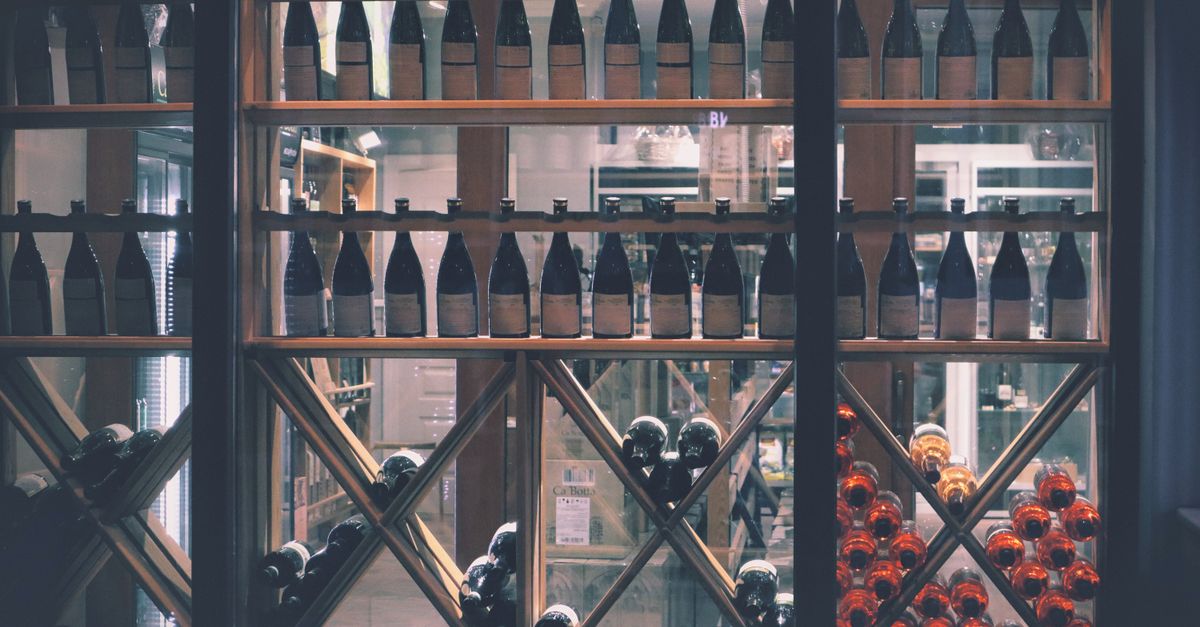
Trump Threatens 100% Tariffs on French Wine
The bottle of Chablis on your local wine bar's list by-the-glass might be about to get a lot more expensive. Or it might not happen at all. That's roughly where things stand right now, and the uncertainty alone is enough to cause real problems.
On June 15, 2026, President Trump announced a threat to impose 100% tariffs on French wine, Champagne included. A 100% tariff means a bottle that currently costs an importer £10 at the French border would effectively cost £20 before UK duty, VAT, shipping, and margin are added. By the time it reaches a shop shelf or a restaurant list, you're looking at prices that could double, or close to it, depending on where in the supply chain the cost gets absorbed and by how much.
This isn't the first time Trump has pointed a tariff gun at European wine. In 2019 to 2020, a 25% US tariff on still French wines under a certain alcohol threshold caused genuine disruption to American importers and some producers had to reroute product or accept painful margin cuts. 100% is a different magnitude entirely.
What This Actually Means for UK Wine Drinkers
The UK isn't the US, so let's be precise about the mechanism here. UK importers and retailers source French wine on their own terms, and UK tariff policy is set independently of Washington. A Trump tariff on French wine is a US import tariff, which means the direct legal effect is on American buyers, not British ones.
But that doesn't mean the UK is insulated.
A few things happen when the US, which is one of the largest export markets for Bordeaux, Burgundy, and Champagne, suddenly prices itself out of French wine. French producers lose a major revenue stream. Some will cut production. Some will discount heavily to move stock into other markets, including the UK, which could temporarily lower prices here. Others, particularly the bigger Champagne houses, will try to protect their margin and their brand positioning, and may pull back on export volume rather than discount.
The more likely short-term effect for UK consumers is volatility, not a clean price rise or fall. Allocations for popular wines could tighten. The indies and small importers who hand-sell Burgundy and Rhône bottles in their shops may find their buying trips to France this autumn look very different from last year's.
Champagne Takes the Biggest Hit
Champagne is where this gets most painful to think about. The US is Champagne's second-largest export market after the UK. Comité Champagne data from 2025 put US shipments at around 26 million bottles for the year. A 100% tariff effectively closes that market overnight for anything but the most premium, price-insensitive buyers.
That volume has to go somewhere. Some of it will come to the UK. Whether that means lower prices here or simply more availability without a price change depends entirely on how the big houses respond. Moët, Veuve Clicquot, Laurent-Perrier, these aren't brands known for blowing up their RRP because of a trade dispute. They'll defend the price point and find other markets before they flood Tesco with cheap Champagne.
Small grower Champagne producers are a different story. A small house in the Côte des Bar, already running tight margins, shipping 3,000 bottles a year to a New York importer who just cancelled, will need to find a home for that wine fast. That's where UK independent retailers and online merchants could see some genuinely good stock appear at honest prices.
What French Producers Are Likely to Do
French wine exports to the US were worth approximately 1.6 billion euros in 2024, according to FranceAgriMer figures. That's a lot of revenue to suddenly lose.
The Bordeaux negociant trade is particularly exposed. Mid-range classified-growth Bordeaux, the £30 to £80 bottles that American collectors drink regularly, will be effectively out of reach for most US buyers at double the current price. Those wines could pile up in European warehouses and that tends to benefit patient UK buyers who know where to look.
Burgundy at the top end may actually hold or rise in price, because global demand from Asia and the UK for Grand and Premier Cru bottles has never been purely about price. People buying Domaine de la Romanée-Conti aren't counting the tariff.
The middle tier of Burgundy, your village-level Gevrey or Pommard from a good but not famous domaine, is more interesting. Those wines were already gaining traction in the UK on merit. If US demand evaporates, some of that production may become more available here. I'd watch that space closely over the next 12 months.
This Might Not Happen
Worth saying plainly: Trump's tariff threats have a complicated relationship with follow-through. The June 15 announcement is a threat, not a signed order. The 2019 tariffs on French wine were part of a specific WTO dispute over Airbus subsidies. The political context now is different, and trade negotiations move in odd directions.
The practical advice for now is to watch, not panic. If you drink a lot of French wine, stocking up on a case or two of something you love before the picture clarifies isn't the worst idea, especially if your local independent is already talking about tightening allocations.
What to Actually Do
If you buy French wine regularly, talk to whoever sells it to you. The small bottle shops and wine bar owners sourcing their own French list have the most direct read on what's happening with their importers right now. They're hearing from their French contacts, they know what's already been allocated, and they'll tell you honestly if they're worried.
This is also a reasonable moment to give other regions a proper look. If your Tuesday-night Chablis habit suddenly costs £7 more a bottle, a good Galician Albariño or an English white from the Davenport or Oxney estates might earn a spot in your regular rotation. Not because they're "alternatives", just because they're genuinely good and have been underserved by comparison.
Events are worth paying attention to here too. Tastings focused on non-French European whites or English still wines have been growing in number over the past couple of years. If you use Sommly to find what's on locally, now is a reasonable time to go to one of those sessions with fresh curiosity rather than polite interest. Your palate might thank you for the disruption.
The tariff situation will develop quickly. By the time the July buying cycle for UK importers kicks in, the picture should be a good deal clearer. Until then, the people with the best information are the ones selling French wine in small shops and independent bars, and they're usually worth asking.