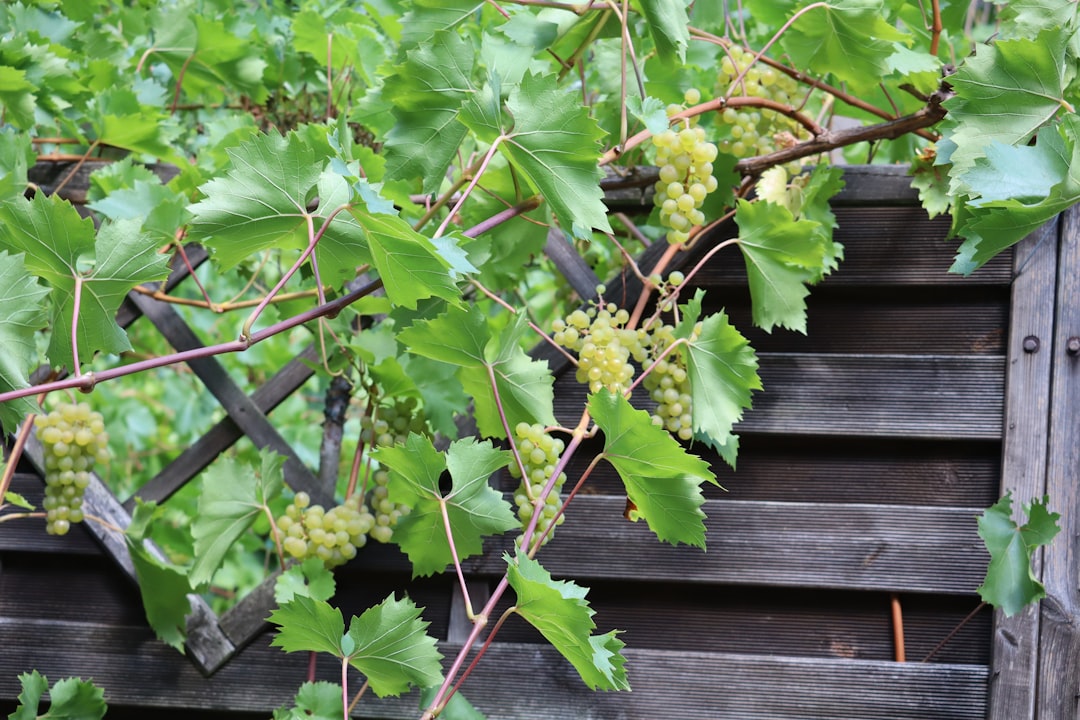
Valpolicella Starts Harvest Two Weeks Early in 2026
The grapes at Tommasi's estate outside Verona were already coming off the vine last week. That's mid-August. For a region that has historically picked in late September, that kind of shift doesn't happen quietly.
Vinetur reported on August 31 that Valpolicella began its 2026 harvest roughly two weeks ahead of the historical average, following a summer described by local producers as hot and unusually dry even by recent standards. For anyone who drinks Amarone, Ripasso, or even the lighter Valpolicella Classico with any regularity, that matters more than it might first appear.
What an Early Harvest Actually Means for the Wine
The short version: less hang time, higher sugar concentration, lower natural acidity.
When grapes ripen fast under sustained heat, the sugar builds quickly but the acid structure doesn't always keep pace. For Valpolicella Superiore or a simple Classico, this can mean wines that feel a bit flat and heavy compared to what you're used to. Fine with pizza. Less interesting with a plate of charcuterie or anything with salt and fat.
Amarone is a different problem. The Amarone method relies on drying harvested grapes (the appassimento process) for anywhere from 90 to 120 days before pressing. Grapes that arrive at the drying lofts already concentrated, already slightly stressed, go into that process with less margin for error. The botrytis risk goes up. The chance of uneven fermentation goes up. Producers with older, better-ventilated drying facilities and experienced staff manage it. Smaller estates without that infrastructure can struggle.
None of this means 2026 Amarone will be bad. But it will be different, and some of it will be very different from what you'd expect.
The Ripasso Wildcard
Ripasso, the wine made by re-fermenting Valpolicella on the leftover grape skins from Amarone production, sits in an interesting spot here. If the base Valpolicella comes in concentrated and low-acid, and the Amarone skins add another layer of richness, the resulting Ripasso could easily tip into something that feels more like a port than a food wine. That's not automatically bad. But it's worth knowing before you buy a case blind.
Why UK Buyers Should Pay Attention Now
Amarone is not a cheap wine. A decent bottle from a reliable producer like Allegrini, Dal Forno Romano, or Bertani runs somewhere between £35 and £120 retail in the UK, sometimes considerably more. At that price, the vintage matters. And 2026 is a vintage you'll want to understand before committing.
The other reason to pay attention now is timing. Amarone spends years in barrel and bottle before release. The grapes going into the drying lofts this autumn won't become wine you can buy until 2029 at the earliest, possibly later. The decisions being made in Valpolicella right now, about when to pick, how long to dry, when to press, will shape what lands on UK shelves three or four years from now.
Ripasso and Valpolicella Classico from 2026 will arrive much sooner, probably 2027 and 2028 respectively. Those are the bottles where you'll get your first real read on what kind of year this was.
What to Drink in the Meantime
If you're a regular Amarone drinker and this news makes you want to stock up on something from a cooler year, 2019 and 2017 are both in good shape right now and reasonably available. The 2015 Amarones, if you can find them, are drinking well and have some age on them. Avoid hunting for the 2012s unless you know exactly which producer you're after, because quality was uneven that year.
For Ripasso, the 2020 vintage produced wines with good structure and a bit more freshness than you typically get, partly because that summer, while warm, was less extreme than 2022 or 2026. Those bottles are drinking well now and the prices haven't gone mad yet.
If you want to get a proper feel for how these wines are built and what makes one vintage different from another, an in-person tasting is genuinely the fastest way to learn. A lot of independent wine bars and importers around the UK run Italian-focused evenings and masterclasses through the autumn, and the better ones go into the production method in enough detail that you'd leave understanding why the appassimento step changes everything. Sommly lists those events by region, so if there's something near you, it's worth checking before the autumn programme books up.
What Producers Are Saying
Reporting from the region in late August was thin, but a few co-operatives and larger estates confirmed to Vinetur that picking on the Corvina, Corvinone, and Rondinella varieties began significantly earlier than 2025. One co-operative director noted that the decision to pick early was partly about preserving acidity, accepting lower sugar in some blocks to keep freshness in the base wine. That's encouraging. It suggests at least some producers are prioritising balance over sheer power.
Corvina, the dominant grape in all Valpolicella wines, handles heat reasonably well compared to something like Pinot Noir. But there's a point past which even Corvina loses the red-fruit character that makes good Valpolicella enjoyable rather than just filling. Whether 2026 pushed past that point in certain hillside sites is something we won't know for a while.
The Bigger Picture
This isn't just a Valpolicella story. Harvests across Europe in 2026 have been running early. Champagne, the Loire, parts of Spain. The Drinks Business noted last week that French viticulture is shifting northward in response to sustained climate pressure, with new sites appearing in Brittany. That's a longer-term story. But what's happening in Valpolicella right now is the same pressure expressed in a single vintage.
I don't know yet whether 2026 will be a year to remember or a year to be selective about. My honest guess is the latter. There will be excellent wines from producers who got their picking decisions right, and there will be overripe, flat wines from estates that held on too long or didn't have the drying capacity to handle concentrated fruit well. The gap between the best and the rest in a year like this tends to be wider than in a moderate year.
The practical move, if you're buying Valpolicella or Amarone in the next few years, is to read the producer notes carefully and, where possible, taste before you commit to a case. The vintage character will sort itself out by the time these wines reach shelves. But knowing that 2026 started two weeks early, in heat, gives you a head start on understanding what you're tasting when you get there.