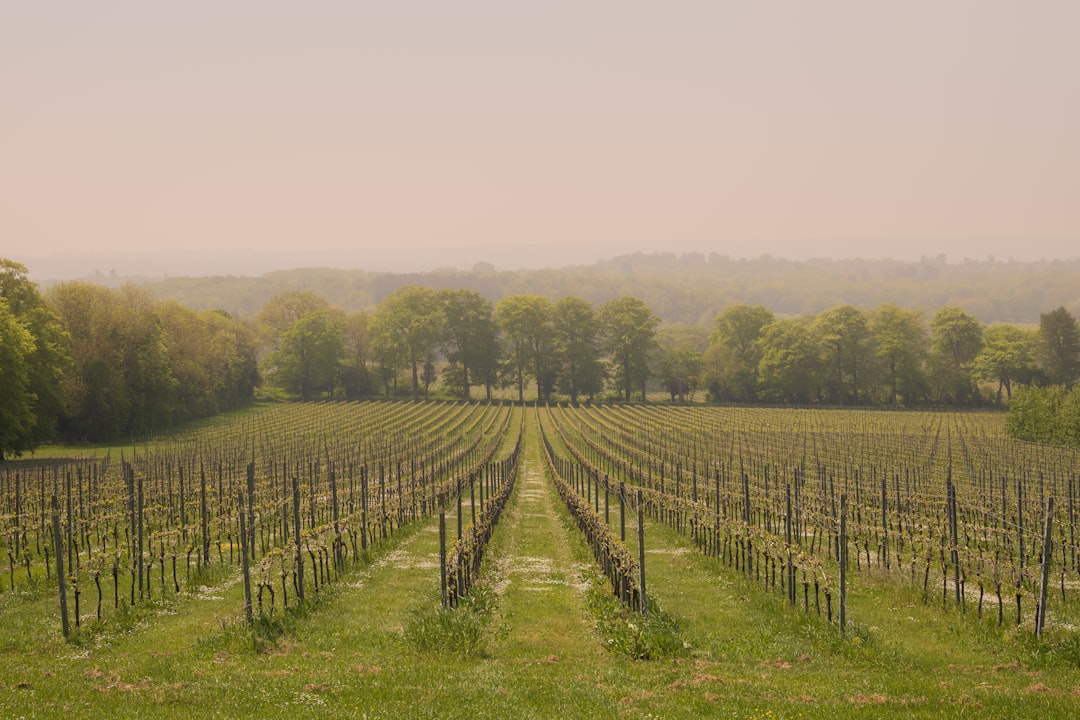
WineGB Awards 2026 Show British Still Wine Has Arrived
Forty years ago, planting Gamay in England would have got you laughed out of the room. Last Thursday, a Gamay won a top award at the WineGB Awards 2026.
The Drinks Business reported the results on June 18, and the pattern running through the winners list is hard to miss. Still wines, white wines made from Sauvignon Blanc, and a broader spread of grape varieties than anyone was predicting five years ago. British sparkling wine still performed well, as you'd expect, but it no longer dominated the conversation the way it once did.
That's a bigger shift than it might sound.
Why This Matters Beyond the Trophy Cabinet
British wine has spent the last two decades building its identity almost entirely on sparkling. Reasonable strategy, given the chalk geology in Sussex and Hampshire mirrors Champagne's, and given that early critical wins came from Nyetimber and Chapel Down making traditional-method fizz that genuinely surprised people. The marketing story was clean: English sparkling wine competes with Champagne. Full stop.
The problem with a clean story is that it leaves almost everything else out. Producers who were quietly planting Pinot Blanc, Ortega, or Solaris got treated as interesting footnotes rather than serious winemakers. The odd still Chardonnay would show up at a tasting and people would be politely surprised it was drinkable.
The 2026 WineGB results suggest that narrative has started to crack. When Gamay and Sauvignon Blanc are picking up awards in a national competition, it means judges are tasting wines that work on their own terms, not wines that almost-work-for-a-British-wine.
What's Actually Driving the Diversity
Part of it is climate. The 2025 vintage in Britain was, by most accounts from growers I've spoken to, one of the more consistent on record in terms of summer warmth. Grapes that would have struggled to ripen ten years ago are now coming in with decent sugar levels and actual flavour development. That doesn't mean every variety suddenly thrives, but the window for experimentation has widened.
Part of it is a generational shift in who's planting vineyards. The second and third wave of English and Welsh producers includes a lot of people who trained in Burgundy, the Loire, and Alsace before coming home. They're not approaching British viticulture as "how do we replicate Champagne". They're asking what this specific patch of clay or greensand or limestone actually wants to grow.
And part of it is that buyers and wine educators are now genuinely curious about British still wines in a way they weren't before. When independent bottle shops start stocking English Pinot Gris alongside their natural wine selections, and when wine bars in London put Bolney Estate's Lychgate white on the by-the-glass list, the commercial feedback loop starts to close.
The Varieties Worth Paying Attention To
Gamay is the obvious talking point from the 2026 awards, and rightly so. It's a variety that needs warmth to shed its more aggressive tannins but doesn't need the kind of heat that would make it unviable in southern England. In a good year on the right site, it produces something light, fruity, and direct in a way that's genuinely useful for the table. Oxney Organic Estate in East Sussex has been working with it for a few years now and is worth seeking out if you haven't already.
Sauvignon Blanc is perhaps the more surprising winner, because the variety has a reputation for being fussy and prone to producing thin, aggressively herbaceous wines in cool climates. But some producers are getting it right, and the result is something different from New Zealand and different from the Loire, which is either a problem or interesting depending on your outlook.
Bacchus remains the reliable, slightly unglamorous workhorse of British still whites. It rarely gets the attention it deserves at these award moments because it's not new, but the best examples, particularly from Norfolk and Suffolk producers like Winbirri, are genuinely good wine, with no good-for-England asterisk.
A Note on Welsh Wine
The WineGB awards cover England and Wales together, and while the Drinks Business coverage focused on the broader diversity story, it's worth saying separately that Wales had a strong 2025 vintage. SevenFifty Daily ran a piece on June 16 specifically about the Welsh scene, noting a growing cluster of producers doing interesting things in Monmouthshire and further west.
I've not tasted widely from Wales yet, I'll be honest about that. But Ancre Hill Estates keeps coming up in conversations with people I trust, and the sheer fact that Welsh producers are showing up in national award results is worth registering.
How to Actually Taste This Shift
Reading about award winners is one thing. Getting a glass in front of you is another, and that's where British wine still has a gap. The national off-licences stock Nyetimber and Chapel Down. The broader diversity, the Gamay, the Sauvignon Blanc, the experimental stuff, lives mostly in independent bottle shops, direct-from-vineyard sales, and the kinds of wine events that don't get listed in Time Out.
If you want to get ahead of this, the most reliable route is through tastings run by importers and independent educators who are already paying attention to British still wine. A lot of producers do open days and harvest events that go half-full because nobody knows they're on. Masterclasses specifically covering English and Welsh still wines do exist, and they tend to be better value than the equivalent sparkling-focused events because demand hasn't caught up yet.
Sommly lists exactly this kind of thing. Search for British wine events and you'll find tastings that go well beyond the sparkling canon, masterclasses where you can compare a Bacchus from three different counties, supper clubs where the food matching is built around what British still wine can actually do rather than what people assume it can do.
Where This Leaves British Wine
The honest answer is: in an interesting and slightly uncertain place. The sparkling story was clean, and clean stories sell bottles. A more diverse British wine scene is a better thing for producers and drinkers, but it's harder to communicate to someone standing in a shop deciding between this and a Sancerre.
The WineGB Awards 2026 won't change that overnight. But they do mark a point at which the people inside the industry stopped treating still wine diversity as a promising side project and started treating it as a real result. That's not nothing.
Whether the drinker in the shop gets there is a different question, and I don't know the answer yet.