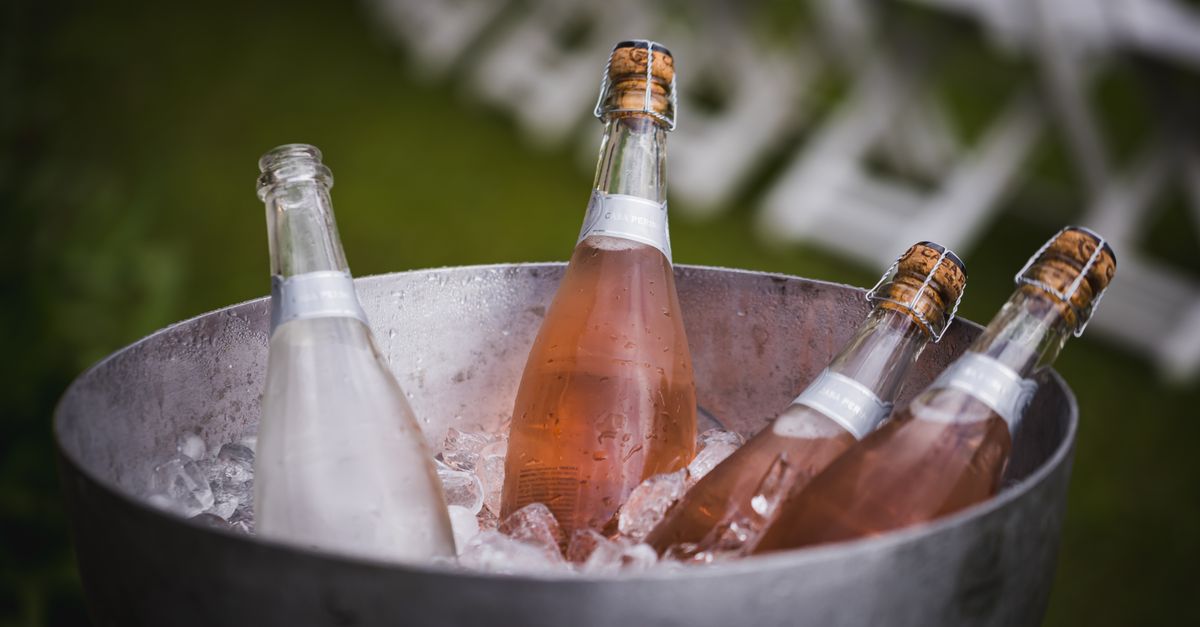
Everflyht Launches Wylde, a New English Sparkling
Forty-five pounds is, quietly, a psychological barrier for a lot of people buying English sparkling wine.
Not because the wine isn't worth it - often it genuinely is - but because forty-five pounds for a Tuesday evening, or a last-minute birthday bottle, or something to crack open while you're cooking pasta, starts to feel like a commitment. Like you need to deserve it. And that particular friction has been sitting at the heart of the English wine scene for a while now, even as the quality has climbed and the reputation has spread.
So when South Downs producer Everflyht Estate announced the launch of Wylde this week - a Charmat-method English sparkling wine designed specifically to bring the price point down without the corners-cut compromise - it felt like something worth paying attention to.
What Wylde Actually Is (And Why the Method Matters)
The Charmat method, if you haven't come across it before, is the production process behind Prosecco. Instead of undergoing its second fermentation in the individual bottle (which is how traditional method wines like Champagne, Crémant, and most English sparkling wine work), a Charmat-method wine does that secondary fermentation in a large pressurised tank. The result is usually a fresher, fruitier style - lighter on the brioche and toast, more expressive on the blossom and orchard fruit - and because it's less labour-intensive, it's considerably cheaper to produce.
The traditional method isn't going anywhere, and rightly so. England's cool-climate chalk and limestone soils have proven themselves remarkably well-suited to making serious, cellar-worthy fizz in that style. But "serious" and "cellar-worthy" aren't always what you want.
Wylde is, by design, something else. It's the bottle for the spontaneous occasion.
Why Everflyht Estate Is an Interesting Name to Watch
Everflyht Estate is based on the South Downs - that stretch of chalky downland running through Sussex and Hampshire that has quietly become one of the most exciting wine-producing areas in the UK. The estate hasn't been shouting particularly loudly until now, but launching a Charmat-method wine under a distinct sub-brand (Wylde feels very deliberately separate from whatever their flagship range looks like) suggests a deliberate strategy rather than an experiment.
The decision to create a named product rather than just a "budget tier" is telling. It signals that they're not embarrassed about the method. They're reframing it.
The Accessibility Problem in English Wine
Honestly, this is a conversation that's been circling the English wine world for years. The quality revolution happened. The awards happened. The features in national newspapers happened. And still, for a lot of people, English sparkling wine sits in the category of "I'd love to try it but I'll wait for a special occasion."
That's a problem if you want the category to grow beyond gift purchases and celebration bottles.
The producers who've built strong reputations - your Nyetimbers, your Ridgeviews, your Hambletons - they deserve every bit of the respect they've earned, and their price points reflect genuine production costs. This isn't cynical luxury pricing. Traditional method English sparkling wine is expensive to make, requires long ageing periods, and involves significant vineyard investment on land that isn't cheap. The maths are what they are.
But the effect is that casual curiosity about English wine has had nowhere affordable to land. You either spend the money or you don't really engage with it.
Wylde, and whatever comes after it from other producers thinking along the same lines, is trying to give that casual curiosity somewhere to go.
What This Means If You're Buying English Sparkling Wine in 2026
A few things worth knowing as this segment of the market starts to develop:
Charmat-method doesn't mean lower quality grapes. Everflyht is still growing on South Downs chalk. The terroir - and yes, the word gets overused, but here it genuinely matters - doesn't change because you've altered the production method. What changes is the style and the price, not the provenance.
The flavour profile will be different to what you might expect from English fizz. If your only experience of English sparkling wine is traditional method bottles, Wylde will taste noticeably fresher and fruitier, probably less yeasty, definitely more immediate. That's not a flaw. It's a different expression of the same raw material, and for some food pairings and occasions it'll actually work better.
Keep an eye on whether other South Downs and Kent producers follow. Everflyht aren't the first to experiment with Charmat-method English wine, but launching under a specific consumer-facing brand is a bolder step than a quiet line extension. If Wylde sells well, you'll see others move in the same direction within the next eighteen months, probably faster.
Where English Sparkling Wine Events Come In
There's something slightly frustrating about reading about a new wine and having no immediate way to contextualise it. Tasting notes only go so far - they're written by people with different palates, different reference points, different ideas about what "crisp apple finish" actually means in practice.
The best way to understand what's happening in English wine right now is to get into a room where someone who cares about it is pouring it and talking about it. Independent wine bars, bottle shops, and English wine specialists have been doing English sparkling wine tastings and masterclasses for years, and as the category diversifies, those events are getting more interesting - proper comparative sessions instead of a row of traditional method bottles from the big names, English vs. Champagne side-by-sides, regional explorations.
If you've been meaning to get more interested in English fizz but haven't quite found the right entry point, an event is - genuinely, without me just saying this - the most efficient way to close that gap. Sommly lists exactly this kind of thing from independent educators and bottle shops around the UK, which means you don't have to scroll through a venue's buried events page or hope you happen to notice a chalk board outside.
The Bigger Picture Here
English sparkling wine has spent the last decade proving it can compete at the top. Wylde, in its own modest way, is asking a different question: can it compete for your everyday affection.
That's actually a harder thing to achieve, in some ways. Prestige is a simpler sell. Becoming someone's default Tuesday evening fizz requires consistency, availability, price reliability, and a style that doesn't demand too much from the drinker. Charmat-method production makes the economics work. Whether Everflyht can build the distribution and awareness to match is the next piece of the puzzle.
What I find genuinely interesting about this launch is that it's happening at all. English wine has been, for most of its modern history, quite anxious about its premium positioning - understandably so, given how hard the category had to work to be taken seriously. A producer confidently launching a more accessible, less "serious" style under a bold sub-brand feels like a sign that English wine has relaxed a bit. It doesn't need to prove itself quite so urgently anymore.
That's probably a healthy place to be.