Section 6 of 9
Examples of wine
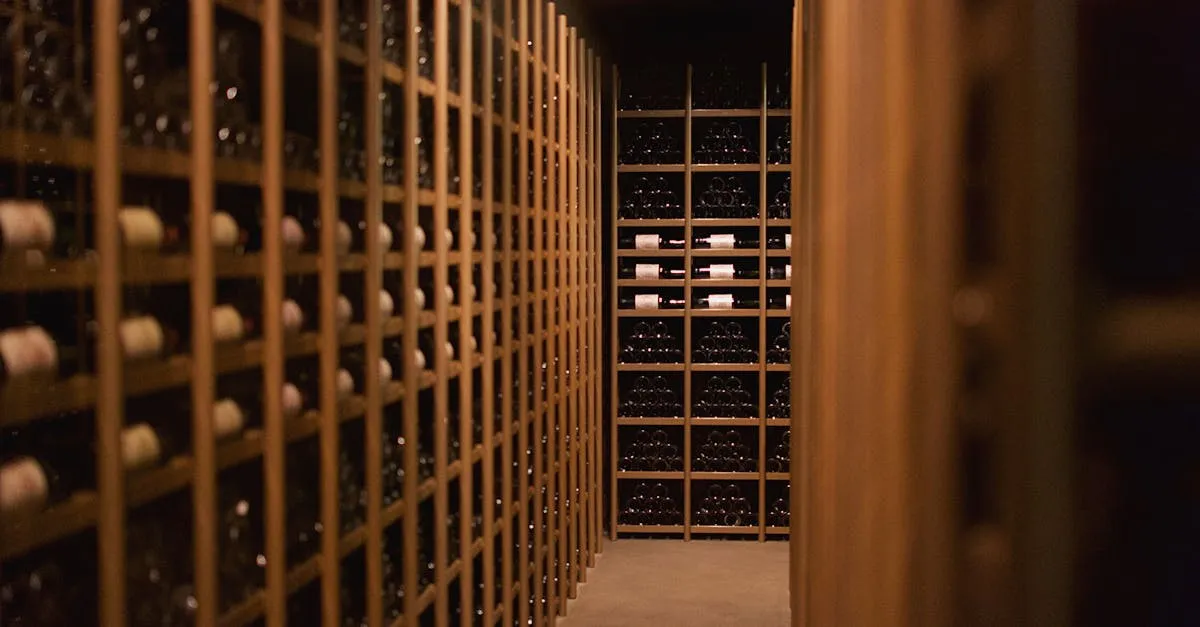
Chapter 5 covered the grapes. This chapter covers the specific named wines you will be expected to recognise. Most European wines are named after their region, so half the work is matching a region to a grape and a style. The rest of the list covers famous wines that sit outside the eight principal varieties.
By the end of this chapter you will be able to:
- Match each named wine to its country, region, and grape variety.
- Describe the typical colour, body, and sweetness of each wine.
- Recognise the classic French wine regions by name.
- Identify the two most famous fortified wines and where they come from.
Wines from the principal grape varieties
These are the named wines made from the eight grapes in Chapter 5. European wines here are named for the region; the grape is hidden inside that name.
- Champagne (France)
- Sparkling. Chardonnay and Pinot Noir. Typically dry. High acidity, green apple and lemon, with toasted bread notes.
- Sancerre (France)
- Dry, medium-bodied white. Sauvignon Blanc. Unoaked, high acidity, pronounced green apple and grass aromas.
- Chablis (France)
- Dry, light to medium-bodied white. Chardonnay. Unoaked, high acidity, green apple and lemon.
- Burgundy / Bourgogne (France)
- Whites are Chardonnay. Medium-bodied, dry, often riper fruit than Chablis (lemon, peach), can be oaked or unoaked. Reds are Pinot Noir. Dry, light to medium-bodied, low to medium tannin, high acidity, raspberry and red cherry, sometimes vanilla and smoke from oak.
- Bordeaux (France)
- Most often red. Cabernet Sauvignon and Merlot blend. Dry, medium to full-bodied, high tannin and acidity, blackberry and blackcurrant, cedar notes from oak.
Other famous wines
These wines sit outside the eight principal varieties but appear in the syllabus and get tested regularly.
Sparkling
- Prosecco (Italy)
- Light-bodied sparkling. Green pear and floral. Can be dry or medium sweetness.
- Cava (Spain)
- Dry sparkling. Green apple and lemon.
Rosé
- White Zinfandel (California)
- Unoaked rosé. Low alcohol. Medium sweetness. Red fruits: strawberry, raspberry.
Red
- Beaujolais (France)
- Dry, light-bodied, unoaked. Low tannin. Fresh red fruit: raspberry, red cherry.
- Côtes du Rhône (France)
- Dry, medium-bodied. Red fruit (strawberry, red plum) with white pepper. Can be oaked or unoaked.
- Chianti (Italy)
- Dry, medium-bodied. High tannin and high acidity. Red cherry, red plum, dried herbs, sometimes cloves from oak.
- Rioja (Spain)
- Dry, medium to full-bodied. Strawberry and vanilla from oak.
- Châteauneuf-du-Pape (France)
- Dry, full-bodied, high alcohol. Strawberry and cloves from oak.
Sweet and fortified
- Sauternes (France)
- Sweet white from Bordeaux. Full-bodied. Apricot, vanilla from oak, honey, balancing high acidity.
- Sherry (Spain)
- Fortified white. Made in a range of styles from dry to sweet.
- Port (Portugal)
- Fortified. Sweet and high in alcohol. Typically red, full-bodied, high tannin, blackberry.
How to learn the list
Do not try to memorise every flavour note on every wine in one sitting. Build the map in layers:
- First pass: country, style, and (where tested) grape. Sancerre: France, dry white, Sauvignon Blanc. Chianti: Italy, dry red. Rioja: Spain, dry red.
- Second pass: add the colour and sweetness. Dry red, dry white, sweet white.
- Third pass: add one or two signature flavour markers per wine. Chablis: green apple, lemon. Rioja: strawberry, vanilla.
Chapter summary
- Champagne, Sancerre, Chablis, Burgundy, Bordeaux: all France, all made from principal varieties.
- Burgundy wines are Chardonnay (white) and Pinot Noir (red).
- Bordeaux wines are blends of Cabernet Sauvignon and Merlot.
- Prosecco (Italy) and Cava (Spain) are sparkling.
- Beaujolais, Côtes du Rhône, Chianti, Rioja, Châteauneuf-du-Pape are red wines with distinct styles.
- Sauternes is sweet. Sherry (Spain) and Port (Portugal) are fortified.
This chapter is the densest in the syllabus for sheer vocabulary. The flashcard deck below is built specifically to drill the wine-to-region-to-grape mapping. Run it once today, once tomorrow, and once the day before your exam.
✓
Test yourself to continue
Examples of wine