Section 9 of 9
Pairing wine and food
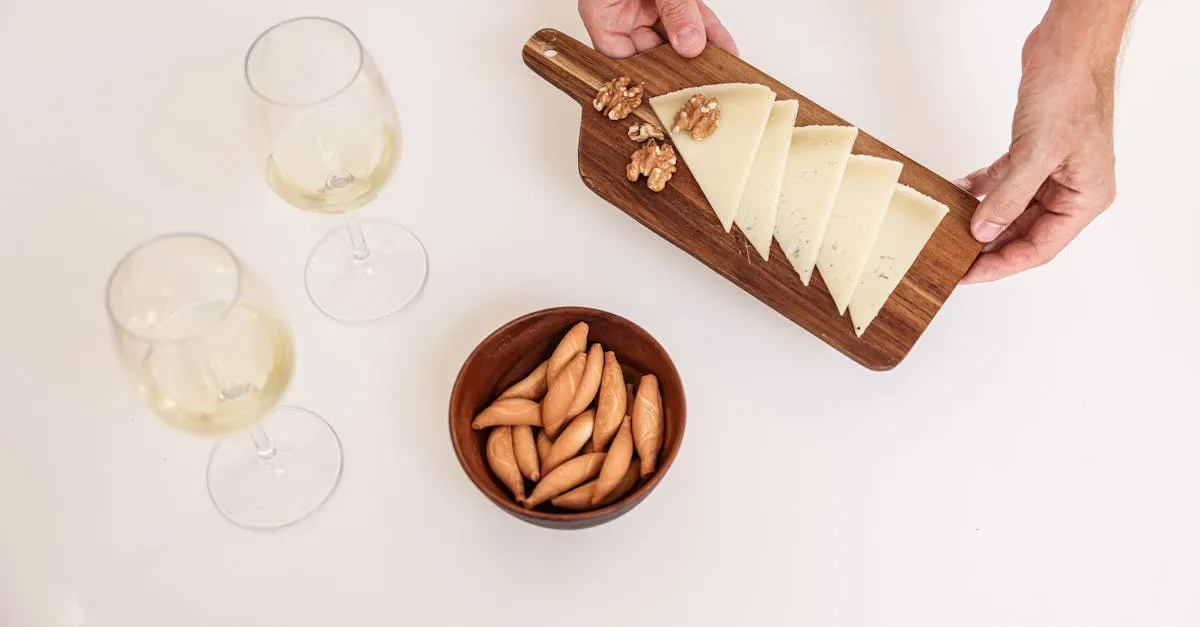
Most wines work passably with most foods. A few specific interactions reliably help or harm the pairing, and at Level 1 the whole subject reduces to those interactions plus one overriding principle: personal preference beats theory every time.
By the end of this chapter you will be able to:
- Explain why personal preference comes before any pairing rule.
- Predict how sweetness, umami, salt, acidity, high flavour, fat, and heat in food change how a wine tastes.
- Make a food-and-wine recommendation using these interactions.
Start with what they like
If you are recommending a wine to a guest or a customer, personal preference comes first. The greatest pairing ever invented is useless if the person drinking it hates that style of wine. Ask what they normally enjoy, then work inside that.
How food changes wine
Food changes the wine you drink with it. It actively changes how the wine tastes. The interactions below are consistent enough to treat as rules.
- Sweet food
- Makes the wine seem more drying, more bitter, more acidic, less sweet, less fruity. A bone-dry wine tastes unpleasantly sharp next to a sweet dessert.
- Umami food
- Same effect as sweet food. More drying, more bitter, more acidic, less sweet, less fruity. Think mushrooms, aged cheese, soy sauce, cured meats.
- Salty food
- Softens the wine. Less drying, less bitter, less acidic, more fruity, more body. Salt is one of the most reliable pairing friends you have.
- Acidic food
- Softens the wine. Less drying, less bitter, less acidic, more sweet, more fruity. A squeeze of lemon on fish flatters a high-acid white.
- Highly flavoured food
- Overwhelms the wine. Delicate wines disappear next to a heavily spiced curry.
- Fatty or oily food
- Makes the wine seem less acidic. High-acid wines work especially well with fatty dishes because the acid cuts through the fat.
- Hot food (chilli)
- Makes the wine's alcohol feel more noticeable, and increases the heat from the chilli. A high-alcohol wine with a very spicy dish will fight you.
Using these interactions to pair
Work backwards from the food. Identify the dominant characteristics of the dish, then pick a wine that will still taste good under those pressures.
- Sweet dessert: the wine must be at least as sweet as the dish. A dry wine next to a treacle tart will taste bitter. Reach for Sauternes, a sweet Riesling, or Port.
- Umami-heavy dish (mushroom risotto, aged parmesan pasta): pick a wine with ripe fruit and soft tannin. Fruity reds like Merlot or Pinot Noir work well.
- Salty cheese or cured meat: almost any dry wine works. Salt makes wine seem softer and fruitier, so even a tannic red is friendly here.
- Acidic dressing on a salad: high-acid white. Sauvignon Blanc or Chablis. The wine needs the acid to stand up to the dressing.
- Fatty meat or oily fish: high-acid wine. Chianti or Sancerre cuts through the fat.
- Spicy food: keep alcohol moderate. An off-dry Riesling or a light-bodied rosé handles heat better than a 15% abv Shiraz.
A note on bitterness
Bitterness in wine comes from tannins or from oak. When food makes a wine seem "more bitter", it is usually the tannins being emphasised rather than new bitterness appearing. High-tannin reds (Cabernet Sauvignon, Chianti) can feel aggressive with sweet or umami food for exactly this reason.
Chapter summary
- Personal preference comes before any pairing theory.
- Sweet and umami foods make wines seem more drying, more bitter, more acidic, less sweet and fruity.
- Salty and acidic foods soften wines and make them seem more fruity.
- Highly flavoured foods overwhelm delicate wines.
- Fatty food makes wines seem less acidic; high-acid wines cut through fat.
- Hot food makes the alcohol more noticeable and the chilli heat more intense.
- The wine must be at least as sweet as the dish.
This is the last chapter of Level 1. The flashcard deck below drills the seven food interactions; run it, then sit the full-course revision pass across all nine decks before the exam. You have everything you need.
✓
Test yourself to continue
Pairing wine and food