Section 1 of 9
What is wine?
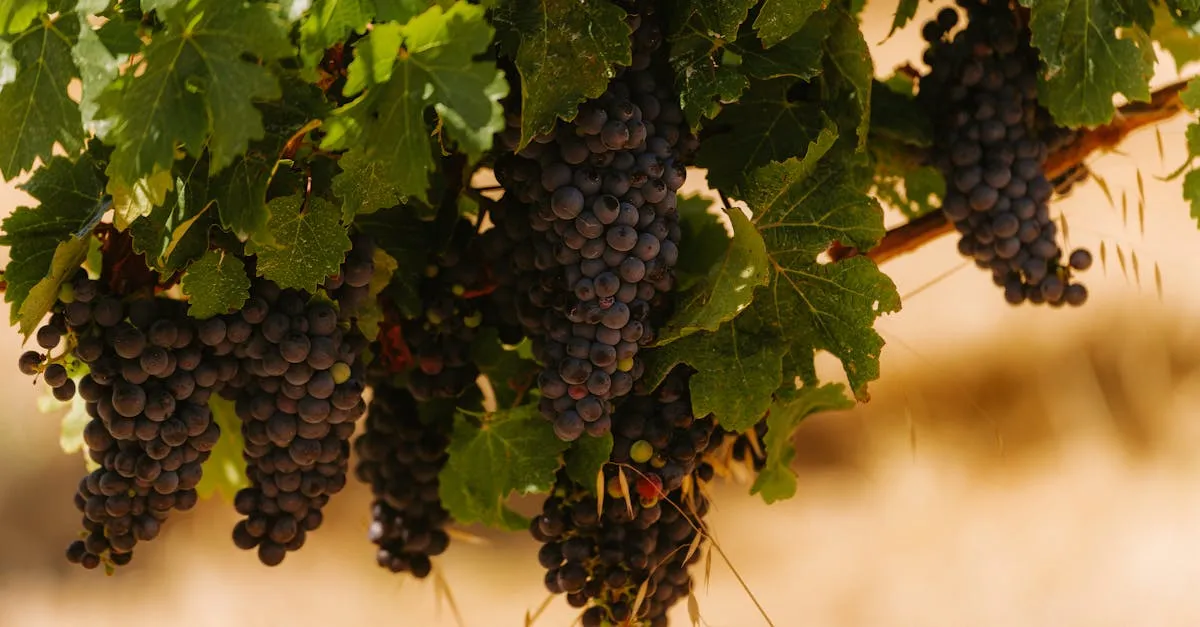
Every question in WSET Level 1 depends on a single definition, so this chapter starts there. You will meet the two principal grape types, the parts of a grape you need to know by name, the yeast-driven process that turns juice into wine, and the way strength is labelled on every bottle you will ever pick up.
By the end of this chapter you will be able to:
- Define wine in the exact wording the WSET uses.
- Name the two principal types of grape and the key difference between them.
- Identify the parts of the grape and what each contributes to the finished wine.
- Explain the role of yeast in alcoholic fermentation.
- Read an abv percentage on a label and describe what it measures.
The definition that anchors the syllabus
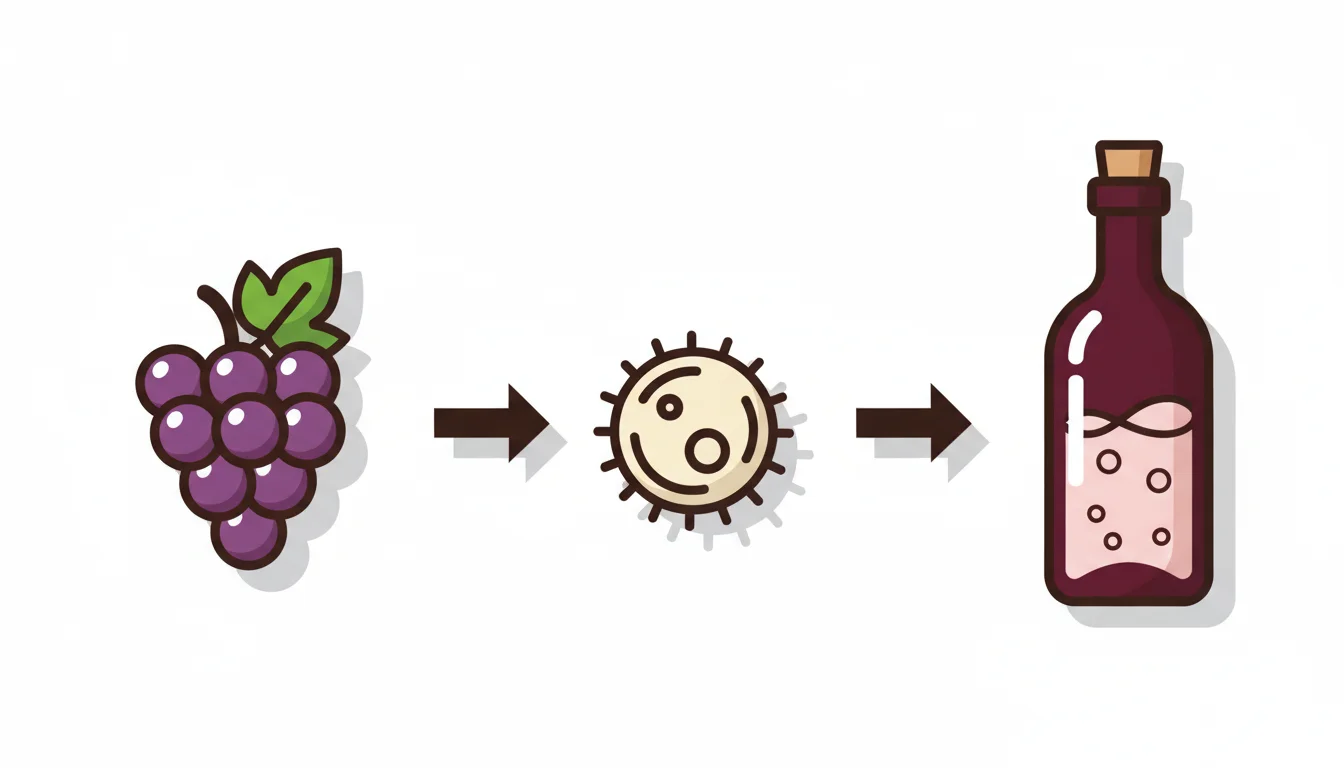
Wine is fermented grape juice. That is the sentence the WSET expects you to recognise on day one and recall in the exam. Everything else in this chapter, and most of the rest of Level 1, expands on a single word in it: fermented.
The process works like this. Ripe grapes are crushed so the juice runs out. Yeast consumes the sugar in that juice. The yeast produces alcohol, which stays in the liquid, and carbon dioxide, which escapes into the air. What remains is wine.
Two principal types of grape
There are two principal types of grape: white and black. Use those exact words in the exam. Answer options that offer "red grapes" or "golden grapes" are written specifically to catch out people who have paraphrased.
Inside, both types look almost identical. The real difference sits in the skin. Black grape skins carry pigment and tannin. White grape skins are golden and do not carry meaningful tannin.
Parts of a grape
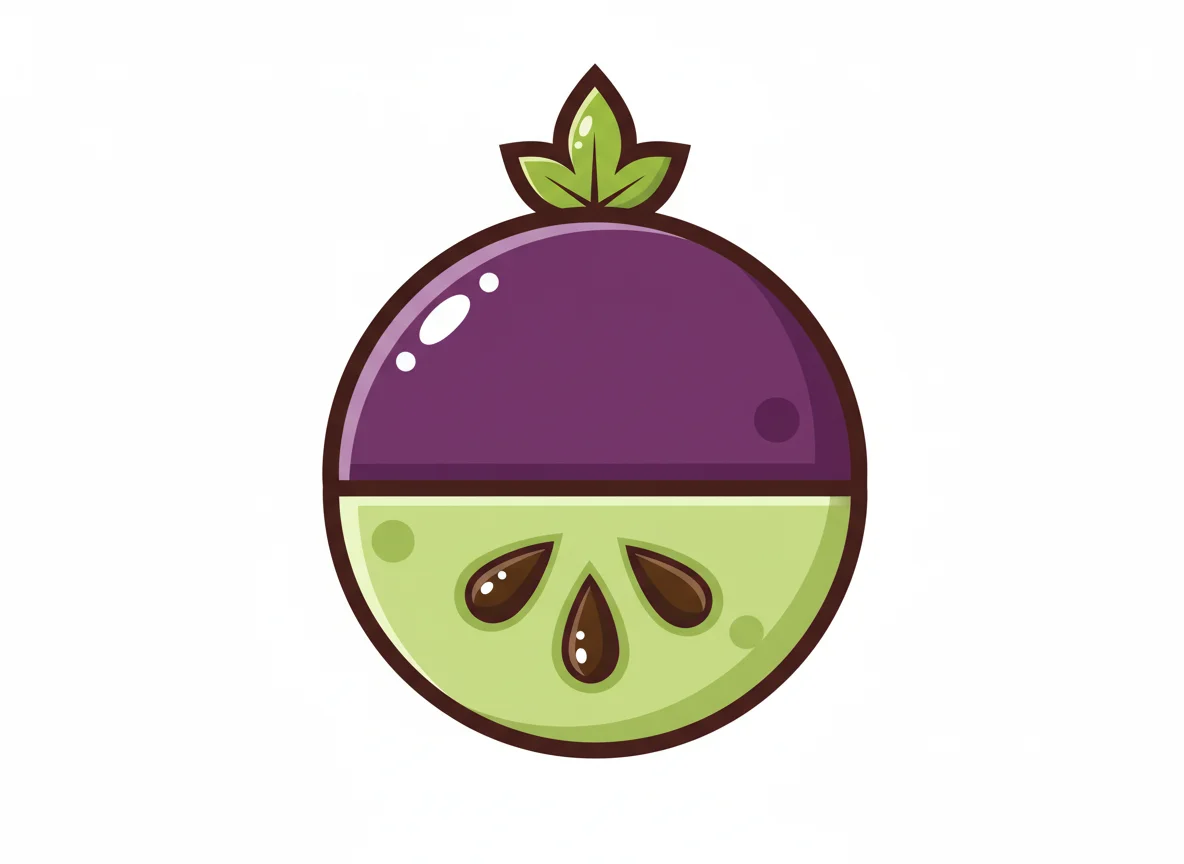
At Level 1 you need two parts of the grape by name, plus what each of them contributes.
- Skin
- Carries pigment (in black grapes) and tannins. Tannin is the compound responsible for the mouth-drying, gripping sensation in red wine.
- Pulp
- The soft, fleshy interior of the grape. Made up of water, sugar, and acid, and is the same pale colour regardless of whether the grape is white or black.
Stems and pips appear in higher levels of the WSET. They are not assessed at Level 1.
Alcoholic fermentation
Yeast plus sugar produces alcohol plus carbon dioxide. Memorise that equation. It is the single most-tested idea in the opening paper.
- Yeast
- Microscopic organisms that eat sugar and convert it into alcohol and carbon dioxide gas. Yeast are required for alcoholic fermentation to take place.
- Alcoholic fermentation
- The process by which yeast turns the sugar in grape juice into alcohol. The alcohol stays in the newly made wine. In most cases the carbon dioxide escapes into the atmosphere.
In most cases fermentation continues until all of the sugar has been eaten. That is why most wine is dry: nothing sweet is left. If a winemaker wants the wine to stay sweet, they must stop the yeast before it finishes. Chapter 4 covers how that is done.
Alcohol by volume
The strength of every wine is measured as alcohol by volume, usually written on the label as abv. A wine labelled 12% abv is twelve per cent alcohol and eighty-eight per cent everything else. Most still wines sit somewhere between 11.5% and 14% abv. Typical ranges by style appear in Chapter 4.
Chapter summary
- Wine is fermented grape juice.
- There are two principal types of grape: white and black.
- The skin carries pigment (in black grapes) and tannin. The pulp carries water, sugar, and acid.
- Yeast plus sugar produces alcohol plus carbon dioxide.
- Abv is the percentage of a wine's volume that is alcohol.
Reading consolidates the structure. The flashcard deck below forces you to retrieve each of the five summary points without looking, which is where long-term retention actually comes from. Run the deck once now, then again tomorrow before moving to Chapter 2.
✓
Test yourself to continue
What is wine?