Section 8 of 9
Introduction to tasting
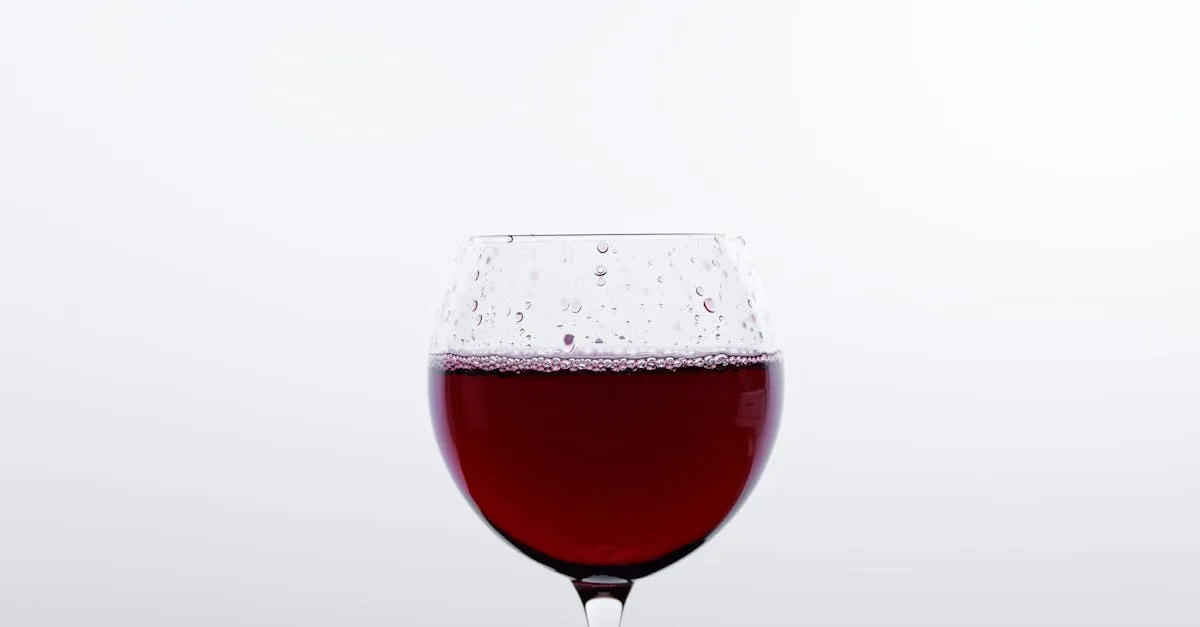
Tasting wine well means tasting it the same way every time. The WSET gives you a structured framework called the Systematic Approach to Tasting, or SAT, so your notes on one wine are comparable to your notes on the next. This chapter covers the three stages of the Level 1 SAT and how to set up a tasting properly.
By the end of this chapter you will be able to:
- Name the three stages of the WSET Level 1 Systematic Approach to Tasting.
- List what you assess at each stage.
- Prepare a space and a palate for a formal tasting.
- Write a consistent tasting note.
The Systematic Approach to Tasting
The Level 1 SAT has three stages: appearance, nose, and palate. Always work through them in that order. The point is consistency: if you always taste the same way, your notes on a Chablis today can be compared to your notes on the same Chablis next year.
Appearance
Hold the glass up against a white surface. Look at the wine. At Level 1 the only thing you record is colour: white, red, or rosé. Higher levels go deeper into intensity and hue; at Level 1 the three-way split is all you need.
Nose
Swirl the glass briefly to release the aromas, then smell. Describe what you find. At Level 1 you group aromas into three simple categories:
- Fruit. Specific fruit aromas you can identify (apple, lemon, blackcurrant, strawberry).
- Oak. Aromas that come from oak ageing (vanilla, cedar, cloves, coconut, smoke).
- Other. Anything else recognisable (grass, flowers, herbs, earth, leather, mushroom).
Palate
Take a sip. Let it cover your mouth. Now assess two things:
- The notable structural characteristics. Sweetness, acidity, tannin, alcohol, and body. These are the four you met in Chapter 4, plus sweetness. Each one you can place on a scale.
- Flavour characteristics. The same three categories as the nose: fruit, oak, other. Flavours on the palate often match the aromas on the nose but not always.
Preparing for a tasting
The SAT only works if your environment and your palate are not actively fighting you. Four things to sort before you start:
- No distracting smells. Avoid perfume, scented candles, recent cooking, strong flowers.
- A white surface. Paper, a napkin, or a tablecloth. Colour underneath the glass changes what you see.
- A proper glass. Wide bowl narrowing at the rim, exactly as covered in Chapter 7. Concentrates the aromas.
- A clean palate. No toothpaste, no coffee, no chewing gum. Water and a neutral cracker are fine between wines.
Writing a tasting note
A Level 1 tasting note captures the output of the three stages in one block. There is no strict format, but it works best if you note each stage in the same order every time.
A worked example for a Chablis:
- Appearance
- White.
- Nose
- Green fruit (apple), citrus (lemon).
- Palate
- Dry, high acidity, no meaningful tannin, medium alcohol, light to medium body. Flavours of green apple and lemon. No oak.
Alcohol and health
Consumed in moderation, alcohol is not regarded as harmful to health. Consumed to excess it can significantly affect behaviour, can be addictive for some people, and can damage both short- and long-term health. Every WSET student is expected to know that official "low-risk" guidelines are issued by governments and public health bodies, and that those guidelines vary from country to country. Look them up on your local governmental or public health website.
Chapter summary
- The WSET Level 1 SAT has three stages: appearance, nose, palate.
- Appearance records the colour only: white, red, or rosé.
- Nose groups aromas into fruit, oak, other.
- Palate records sweetness, acidity, tannin, alcohol, body, plus flavour characteristics.
- Prepare properly: no distracting smells, white surface, wide-bowled glass that narrows at the rim, clean palate.
- Low-risk alcohol guidelines vary by country.
Tasting is a practised skill. Repeating the SAT with each wine you drink at home turns it from an exercise into a habit. Run the Introduction to Tasting deck to cement the three stages, then move to Chapter 9 for pairing wine with food.
✓
Test yourself to continue
Introduction to tasting