Section 11 of 34
Chenin Blanc
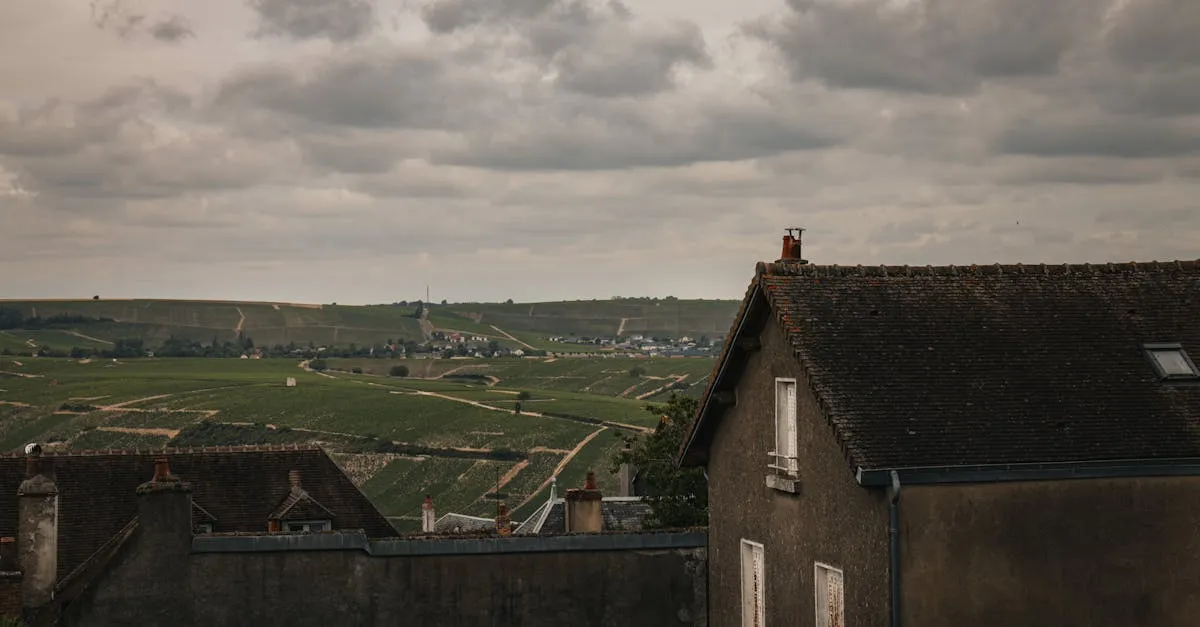
Chenin Blanc is one of the most versatile white grapes in the world. Cool, moderate, and warm climates all suit it. High natural acidity, susceptibility to botrytis, and the structural ability to age have made it the grape behind both Vouvray's full sweetness range and South Africa's most-planted white. Two homes, two completely different reputations.
By the end of this section you will be able to:
- Describe Chenin Blanc's structural profile and how its flavours change with ripeness.
- Recognise Vouvray AOC as the classic Loire region and the styles it produces.
- Explain why Chenin Blanc is so important in South Africa's warm climate.
- Compare inexpensive South African Chenin Blanc with old-vine premium examples.
The grape
Chenin Blanc grows well in cool, moderate, and warm climates, which is why it's so widely planted. Its flavours track ripeness directly:
- Just-ripe: green fruit (apple), citrus (lemon).
- Extra-ripe: stone fruit (peach), tropical fruit (pineapple, mango).
High natural acidity makes it suitable for late harvesting and it is also susceptible to botrytis, which is why it produces wines across the full sweetness range from dry through to sweet. Both oaked and unoaked styles are made. The high acidity gives the best examples the structure to age for many years in bottle.
France: Vouvray AOC
Vouvray AOC, in the Loire Valley, is the classic Chenin Blanc region. Chenin Blanc is the only grape variety permitted, but the wines come in a remarkable range of styles:
- Dry: often shows fresh apple flavours.
- Off-dry or medium: labelled Demi-Sec.
- Sweet: typically made from extra-ripe or botrytis-affected grapes, with stone-fruit or tropical-fruit aromas.
- Sparkling: also produced in the region.
Whatever the style, Vouvray wines are typically unoaked to retain their fresh fruit characteristics. The best examples can age in bottle and develop tertiary notes of dried fruit, honey, and nuts.
South Africa
Chenin Blanc is South Africa's most widely planted white grape variety. It's prized there for its ability to retain high acidity in a warm climate.
Quality varies dramatically:
- Inexpensive, high-volume brands
- Use grapes from warmer inland areas. Often blended with other varieties such as Chardonnay. Typically dry, medium-bodied, with peach and pineapple flavours, sometimes with vanilla from oak chips or staves.
- Premium old-vine examples
- From low-yielding old vines that produce concentrated fruit. Pronounced tropical-fruit aromas (pineapple, mango), often with smoke and vanilla from oak maturation. Some producers blend with aromatic varieties like Viognier for a refreshing, floral style.
Section summary
- Chenin Blanc grows well in cool, moderate, and warm climates.
- High natural acidity, susceptible to botrytis, made in dry through sweet styles, both oaked and unoaked.
- Best examples can age many years in bottle.
- Vouvray AOC (Loire Valley): only grape permitted; styles include dry, Demi-Sec (off-dry/medium), sweet, botrytised sweet, and sparkling. Typically unoaked.
- South Africa: most widely planted white grape. Inexpensive blends from inland areas; premium old-vine wines from low-yielding sites.
Two grapes done. Sémillon is next: a quieter grape than Riesling or Chenin in youth, but with the structure to age into something extraordinary.
✓
Test yourself to continue
Chenin Blanc