Section 3 of 34
Pairing wine and food
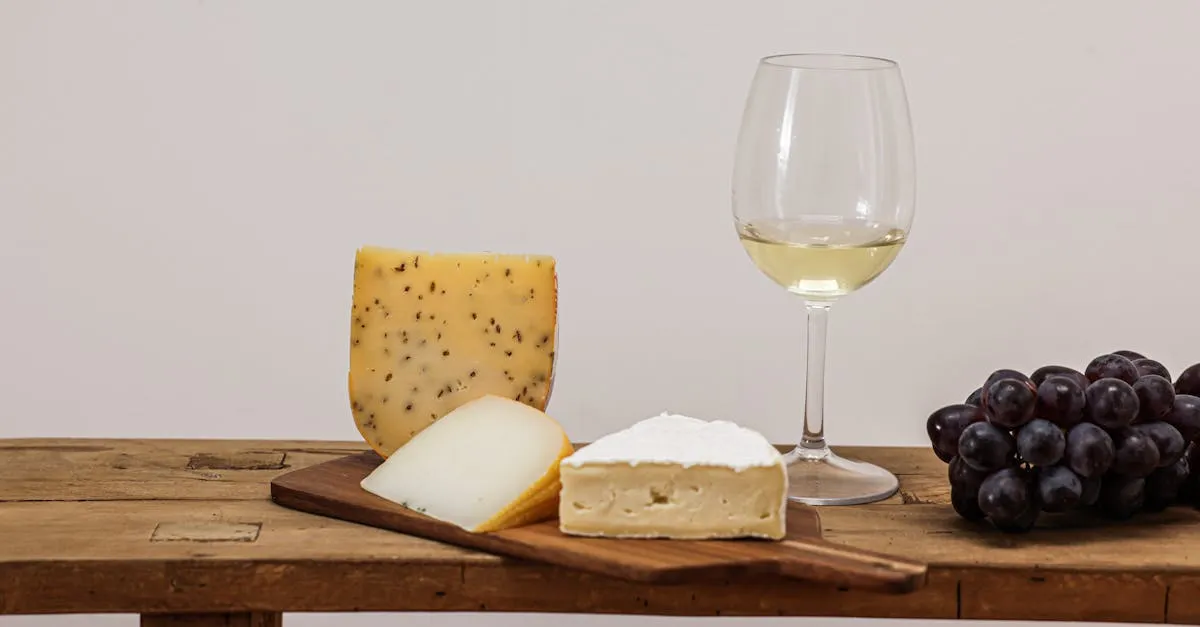
Food has more impact on wine than wine has on food, and that impact is more often negative than positive. Level 2 reduces pairing to seven interactions and one umbrella rule: take personal preference and individual sensitivity into account, because what tastes "perfect" to one person can taste ordinary to another.
By the end of this section you will be able to:
- Predict how the seven food-wine interactions will change the perceived character of a wine.
- Group the interactions correctly: which two harden a wine, which two soften it.
- Recommend a wine for a given dish using the interactions plus personal preference.
- Explain the chilli-and-alcohol amplification effect.
Personal preference comes first
If you are recommending a wine to a guest or a customer, personal preference comes first. The greatest pairing ever invented is useless if the person drinking it hates that style of wine. Ask what they normally enjoy, then work inside that.
The seven interactions
- Sweet food
- Makes wine seem more drying, more bitter, more acidic, less sweet, and less fruity. The wine should be sweeter than the dish, or pairing fails.
- Umami food
- Same direction as sweet food: more drying, bitter, acidic; less sweet, fruity. Umami comes from mushrooms, aged cheese, cured meats, miso. It is often hidden behind salt in cooking, which softens its negative effect.
- Acidic food
- Helps a high-acid wine and harms a low-acid wine. High acid in food balances high acid in wine and enhances the wine's fruitiness. Against a low-acid wine, acidic food makes the wine seem less fruity.
- Salty food
- Wine-friendly. Makes wine seem fruitier, softens tannin, and reduces perceived bitterness and acidity. The most reliable pairing partner you have.
- Highly flavoured food
- Overwhelms the wine. Delicate wines disappear next to strongly spiced or heavily sauced dishes. Match flavour intensities so neither overpowers the other.
- Hot (chilli) food
- Makes the alcohol in the wine seem more noticeable and increases the burning sensation from the chilli. The effect is bigger with high-alcohol wines than with low-alcohol ones.
- Acid and fat
- The classic match. High acidity in wine cuts through fatty or oily food and cleanses the palate. The effect is subjective but widely loved.
Bitterness, briefly
Bitterness in wine comes from tannins or from oak. When food makes a wine seem "more bitter", it is usually the tannins being emphasised rather than new bitterness appearing. High-tannin reds (Cabernet Sauvignon, Chianti) can feel aggressive against sweet or umami food for exactly this reason.
Section summary
- Personal preference comes before any pairing theory.
- Sweet and umami foods make wines seem more drying, more bitter, more acidic, less sweet and fruity.
- Salty and acidic foods soften wines and make them seem more fruity (against high-acid wines).
- Highly flavoured foods overwhelm delicate wines.
- Hot (chilli) food amplifies alcohol perception and chilli heat.
- High-acid wines cut through fatty or oily food.
- The wine must be at least as sweet as the dish.
That's tasting and pairing covered. The chapter flashcard deck now drills both: SAT scales plus the seven food interactions. Run it once, then move on to red wine production in Chapter 2.
✓
Test yourself to continue
Pairing wine and food