Section 7 of 34
Zinfandel (Primitivo)
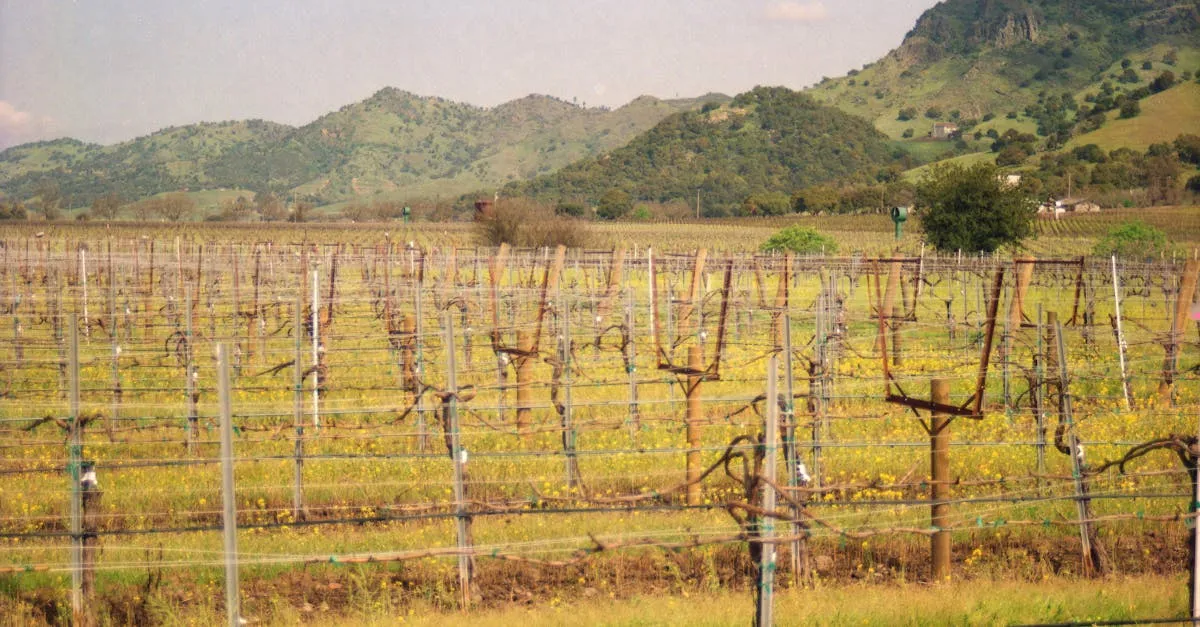
One grape, two countries, two names. Zinfandel in California, Primitivo in Italy (specifically Puglia in the south). It needs a warm climate to ripen, and once ripe, it produces wines that are the structural opposite of Pinot Noir: high alcohol, ripe black fruit, often plenty of oak. The oddity at Level 2 is that the same grape also makes a famous medium-sweet rosé.
By the end of this section you will be able to:
- Recognise that Zinfandel and Primitivo are the same grape under two names.
- Describe how Zinfandel's flavour profile changes as the grapes ripen unevenly.
- Explain how White Zinfandel is made and what it tastes like.
- Describe a typical red Californian Zinfandel.
- Compare Italian Primitivo from Puglia with Californian red Zinfandel.
The grape
Zinfandel is a black grape that needs a warm climate to ripen successfully. As it ripens, the flavour profile shifts: red fruits (strawberry, raspberry) at lower ripeness, black fruits (plum, black cherry) when fully ripe.
It has one quirk that defines its style. The grapes within a single bunch don't ripen evenly. By the time the latest grapes are ripe, some of the earliest have already started to raisin on the vine. Those raisined grapes give very high sugar levels and dried-fruit flavours (prune, raisin) on top of the fresh black fruit. That high sugar in turn produces high alcohol after fermentation.
Structurally, Zinfandel sits at medium to high acidity and medium to high tannin.
USA: White Zinfandel
In California, Zinfandel makes both rosé and red wines from the same grape. The rosé style is called White Zinfandel and is one of the best-selling wines in America.
- White Zinfandel
- A medium-sweet rosé wine from California. Made via the short-maceration rosé method (juice drained from the skins after a few hours of contact). Sweetness is achieved by removing the yeast before fermentation finishes. Low alcohol (typically 8 to 10% abv), pink in colour, simple aromas of red fruits (strawberry, raspberry).
USA: California red Zinfandel
Red Zinfandel is California's signature red. It uses the standard red winemaking process: full fermentation with the juice in contact with the skins throughout. Commonly matured in oak to soften tannins and add complexity.
A typical red Zinfandel:
- Pronounced black fruit (blackberry, black plum)
- Dried fruit (raisin, prune) from the unevenly-ripened grapes
- Oak (vanilla, coffee) from maturation in barrel
- Dry, with medium to high acidity and tannin
- High alcohol, full body
California has some very old Zinfandel vines. These low-yielding old vines produce highly concentrated fruit, and the resulting wines can develop tertiary flavours of earth and meat with bottle age.
Italy: Primitivo
The same grape lives in southern Italy under the name Primitivo. Puglia in the south is the important region. The warm Puglian climate ripens Primitivo easily, and most of the production goes into soft, fruity, dry red wine for high-volume brands.
Very good or outstanding examples are made from controlled yields. Top Puglian Primitivos can offer excellent value for money, often delivering quality similar to Californian Zinfandel at a notably lower price.
Section summary
- Zinfandel and Primitivo are the same black grape under two names: Zinfandel in California, Primitivo in Italy (Puglia).
- Needs a warm climate. Ripens unevenly, mixing fresh and dried fruit flavours.
- White Zinfandel: medium-sweet rosé from California, low alcohol (8-10%), simple red fruit. Made by short maceration plus removing yeast before fermentation finishes.
- Red Zinfandel: dry, full-bodied, high alcohol, black fruit + dried fruit + oak vanilla and coffee.
- Old-vine Californian Zinfandels can develop tertiary earth and meat with age.
- Primitivo from Puglia delivers similar style at often better value.
That's chapter 2. Production process plus two contrasting grape examples. The chapter flashcard deck below now drills the red winemaking sequence, the cap-management techniques, vessel choices, and the Pinot Noir vs Zinfandel profiles. Run it once now and once before moving on to chapter 3.
✓
Test yourself to continue
Zinfandel (Primitivo)