08
Section 8 of 34
White, rosé, and sweet wine production
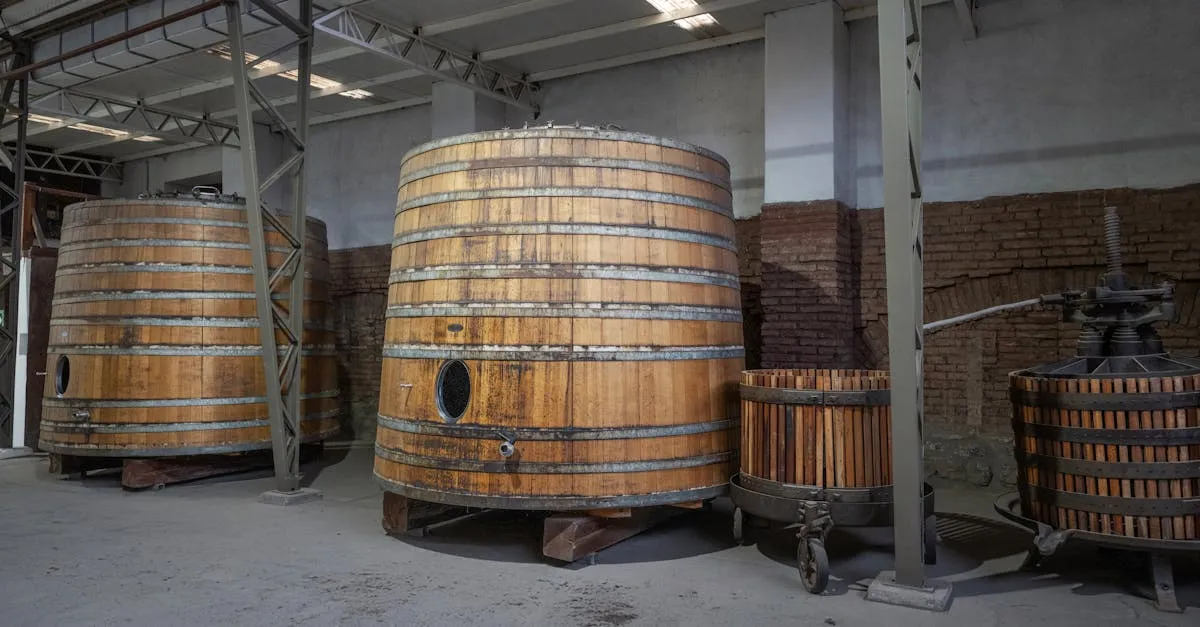
This chapter covers how white, rosé, and sweet wines are made, then turns to the four white grape varieties WSET uses as worked examples for these styles: Riesling, Chenin Blanc, Sémillon, and Furmint. All four share two features that explain why they appear together: high natural acidity and susceptibility to botrytis (noble rot), which together make them ideal for sweet wine production.
In this chapter:
- White, rosé, and sweet production factors: how skin contact, oak choices, malolactic conversion, and sugar concentration shape the finished wine.
- Riesling: high-acid aromatic, the signature German grape.
- Chenin Blanc: France's Loire workhorse and South Africa's most planted white.
- Sémillon: Bordeaux's blending partner and Hunter Valley's distinctive dry style.
- Furmint: Tokaji's anchor grape from north-east Hungary.
Work through the sub-sections in order. The chapter flashcard deck appears under the last sub-section and tests both the production techniques and the grape profiles together.