Section 29 of 34
Italian whites
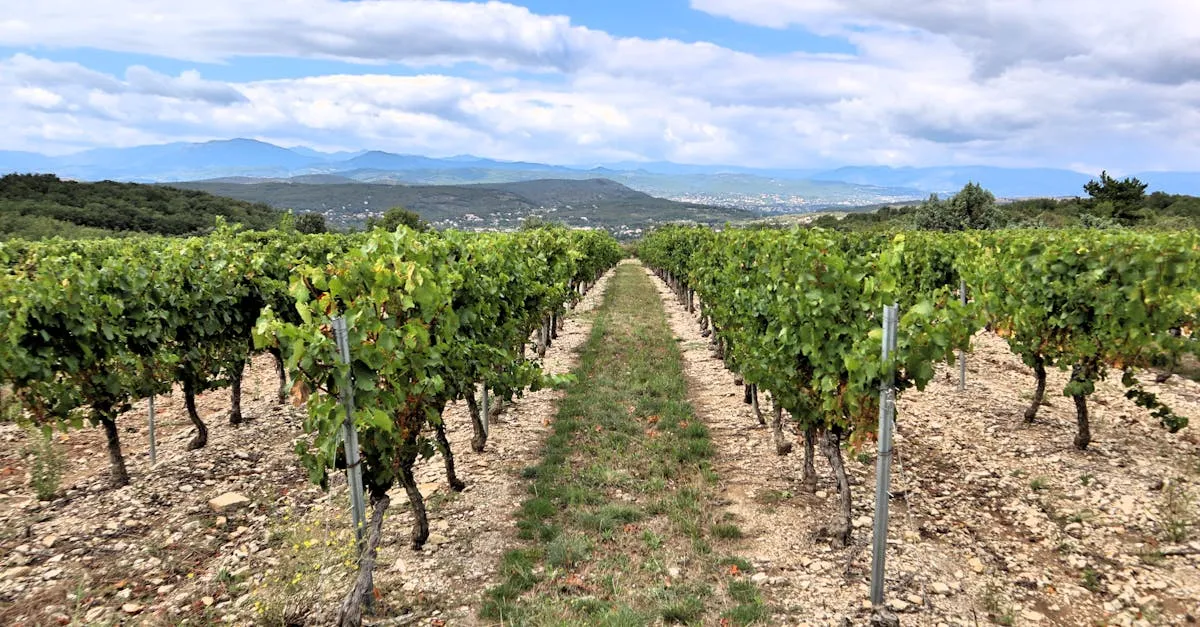
Italy has more than five hundred indigenous grape varieties. Level 2 singles out four white grapes that are each closely linked with a specific DOC or DOCG: Cortese (Gavi), Garganega (Soave), Verdicchio (Castelli di Jesi), and Fiano (Avellino). Pair the grape with the region and you've got most of what the syllabus wants.
By the end of this section you will be able to:
- Identify each grape with its signature DOC/DOCG and Italian region.
- Describe the typical style of each wine.
- Recognise the role of appassimento in making Recioto di Soave DOCG.
Cortese (Piemonte)
Cortese produces dry, light-bodied white wines with high acidity. Light floral aromas (blossom), green fruit (apple, pear), citrus (lemon).
Best known as the variety behind Gavi DOCG in the Piemonte region of north-west Italy. Gavi is typically fermented in inert vessels, not matured in oak, and most is ready to drink on release - not intended to age.
Garganega (Veneto)
Garganega produces dry, medium-bodied wines with high acidity. Green fruit (apple, pear), citrus (lemon), stone fruit (peach).
Widely planted in the Veneto region in north-east Italy. The most important variety in Soave DOC and Soave Classico DOC. Typically fermented in inert vessels, not matured in oak. Most Soave DOC is drunk young and fresh. The best wines of Soave Classico DOC can develop complex honey and almond flavours in bottle.
- Recioto di Soave DOCG
- A sweet white wine made from grapes that have been harvested and dried using a method called appassimento: laid out indoors to concentrate their sugars, acids, and flavours.
Verdicchio (Marche)
Verdicchio produces dry wines with high acidity, medium body, and herbal (fennel) notes alongside green fruit (apple, pear) and citrus fruit (lemon).
Most Verdicchio wines are simple, fruity, and not intended for ageing. Outstanding examples can develop honey and nuts in bottle. Widely planted in central Italy, particularly the Marche region on the east coast. The most famous wine is Verdicchio dei Castelli di Jesi DOC.
Fiano (Campania)
Fiano produces wines with medium acidity, medium to full body, stone fruit (peach), and tropical fruit (melon, mango).
Many producers ferment Fiano in inert vessels, but some examples gain secondary aromas from lees contact (bread, biscuit) or from oak (smoke). Often made to be drunk young, though some very good or outstanding examples develop complex honey in bottle. An important white grape in southern Italy. Fiano di Avellino DOCG is from the mountainous Campania region.
Section summary
- Cortese: dry, light-bodied, high acidity, blossom/apple/lemon. Gavi DOCG (Piemonte). Inert fermentation, drink young.
- Garganega: dry, medium-bodied, high acidity, apple/lemon/peach. Soave DOC / Soave Classico DOC (Veneto). Best Classico ages to honey and almonds. Recioto di Soave DOCG is a sweet appassimento wine.
- Verdicchio: dry, medium body, high acidity, apple/lemon, herbal (fennel). Verdicchio dei Castelli di Jesi DOC (Marche). Outstanding examples age to honey and nuts.
- Fiano: medium acidity, medium to full body, peach/melon/mango. Sometimes lees (bread, biscuit) or oak (smoke). Fiano di Avellino DOCG (Campania). Can age to honey.
Next: three northern Italian black grapes - Nebbiolo, Barbera, and Corvina.
✓
Test yourself to continue
Italian whites