Section 25 of 34
Grenache / Garnacha
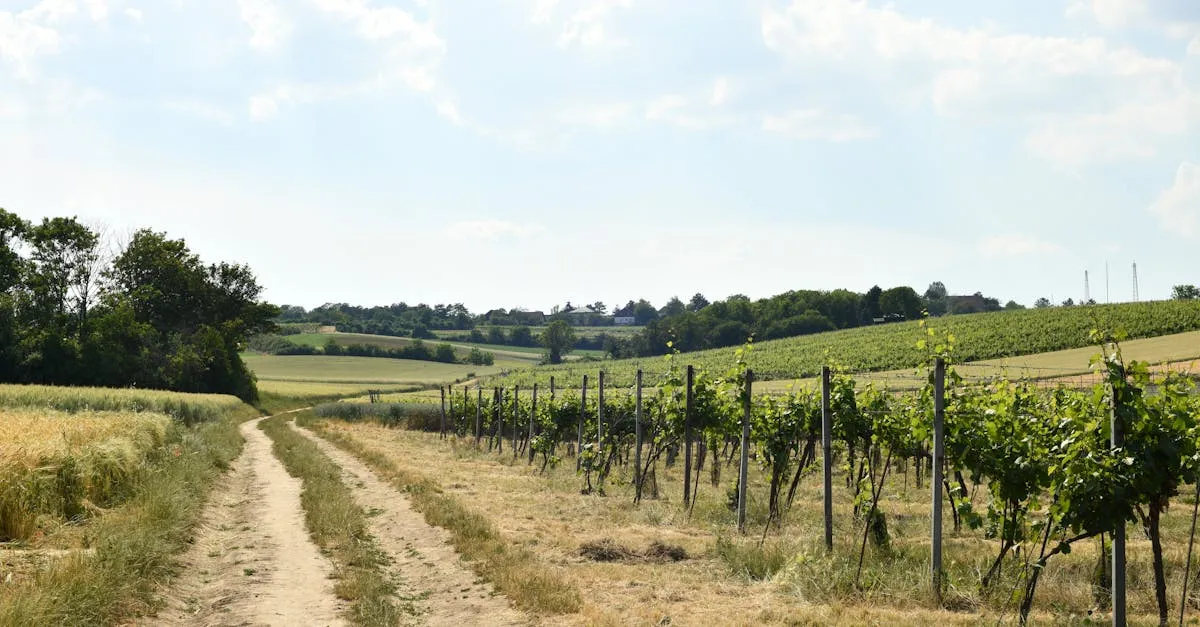
Grenache (or Garnacha in Spain) is a warm-climate grape that thrives where most others struggle. It produces high-alcohol wines with low acidity and soft, spicy red fruit, and it's the foundation of blends from the Southern Rhône to Priorat. It's thought to have evolved in Spain, spread through the south of France, and entered the Rhône Valley - where its French name stuck.
By the end of this section you will be able to:
- Describe Grenache's structural profile and why careful yield management matters.
- Explain Grenache's role in Southern Rhône blends and list the main appellations (Côtes du Rhône, Côtes du Rhône Villages, Châteauneuf-du-Pape).
- Describe the Rhône Valley appellation hierarchy and where the crus sit.
- Recognise Garnacha's Spanish regions: Rioja DOCa, Navarra DO, Priorat DOCa.
- Describe the Australian old-vine Grenache style.
The grape
Grenache is a black grape that needs a warm climate to ripen successfully. When ripe, it typically has high sugar (so high alcohol in the finished wine) and low acidity. Thin-skinned, so wines are low to medium in tannins.
Flavours: red fruit (strawberry, red plum, red cherry) and sometimes spice (white pepper, liquorice). Grenache produces its finest wines when yields are carefully controlled.
Winemaking and maturation
Grenache's red-fruit flavours make it well-suited to rosé wines via the short maceration method. Rosé styles range from dry to medium sweet, typically chilled and consumed while young and fruity.
It is often blended with other black grapes: with Syrah in France and Tempranillo in Spain: which add colour, acidity, and tannin. Simple Grenache-based wines are unoaked; very good or outstanding examples are often oak-matured. Some producers favour old oak over new because Grenache's delicate red fruit can be overwhelmed by new-oak flavours. Ages in bottle to complex flavours of earth, meat, and dried fruit.
France: Southern Rhône
The Southern Rhône is quite different from the Northern Rhône: the valley flattens out, the climate is warm, and Grenache ripens successfully. Red wines here are typically blends of Grenache with multiple local varieties including Syrah.
- Côtes du Rhône AOC
- The broadest regional appellation. Covers the entire Rhône Valley but wines are produced almost exclusively from southern Rhône fruit. Typically simple, medium-bodied, for immediate consumption with red-fruit and spice flavours.
- Côtes du Rhône Villages AOC
- A number of southern Rhône villages qualify for this label. Typically offer more concentration and complexity than Côtes du Rhône.
- Châteauneuf-du-Pape AOC
- Known for full-bodied wines with high alcohol. Many vineyards here are covered with large, round stones that absorb heat during the day and radiate it back at night, helping Grenache achieve full ripeness. Very good or outstanding examples develop complex dried fruit and caramel with bottle age.
The Rhône hierarchy
The same labelling hierarchy applies across the whole Rhône Valley:
- Côtes du Rhône AOC
- Broad regional appellation.
- Côtes du Rhône Villages AOC
- Higher-quality villages.
- Rhône Crus
- The most prestigious vineyard areas with their own appellations. Northern Rhône crus: Crozes-Hermitage AOC, Hermitage AOC, Côte Rôtie AOC, Condrieu AOC. Southern Rhône crus: Châteauneuf-du-Pape AOC. Outstanding complexity, concentration, and long ageing potential.
In the South of France, Grenache is important for red and rosé wines. Minervois AOC is a key warm-climate appellation where Grenache provides red fruit and body to blends with Syrah and other local grapes.
Spain: Garnacha
Grenache is called Garnacha in Spain. Three regions matter:
- Rioja DOCa and Navarra DO
- Garnacha contributes body and fresh red fruit. Rioja is blended with Tempranillo. Navarra is also known for dry rosé wines from Garnacha.
- Priorat DOCa (Catalunya)
- The most powerful and full-bodied Spanish Garnacha. Warm, dry area with some very old Garnacha vines producing tiny yields of concentrated grapes. Typically blended with other black varieties. Mature for extended periods, developing dried fruit and caramel.
Australia
South Australia's warm Barossa Valley and McLaren Vale are home to many very old Grenache vines. These produce outstanding wines with concentrated red fruit and spice and long ageing potential. Grenache is also blended with Shiraz and other varieties - wines similar in style to Châteauneuf-du-Pape. Australian producers have been very influential in promoting Grenache as a high-quality variety.
Section summary
- Black grape, warm climate, thin-skinned. High sugar/alcohol, low acidity, low to medium tannin. Red fruit (strawberry, red plum, red cherry) and spice (white pepper, liquorice).
- Yield control critical for quality.
- Used for short-maceration rosé. Often blended - Syrah in France, Tempranillo in Spain - for colour, acid, tannin. Some producers use old oak to protect delicate fruit.
- Ages to earth, meat, dried fruit.
- Southern Rhône: blends with Syrah and local varieties. Côtes du Rhône AOC, Côtes du Rhône Villages AOC, Châteauneuf-du-Pape AOC (heat-radiating stones, dried fruit and caramel with age).
- Rhône hierarchy applies to the whole valley: regional → villages → crus (Northern and Southern combined).
- Minervois AOC (South of France): Grenache blended with Syrah.
- Spain: Rioja DOCa and Navarra DO; Priorat DOCa with very old vines.
- Australia: Barossa Valley and McLaren Vale old-vine Grenache.
Next is Tempranillo, Spain's flagship black grape.
✓
Test yourself to continue
Grenache / Garnacha