Section 9 of 34
White, rosé, and sweet production factors
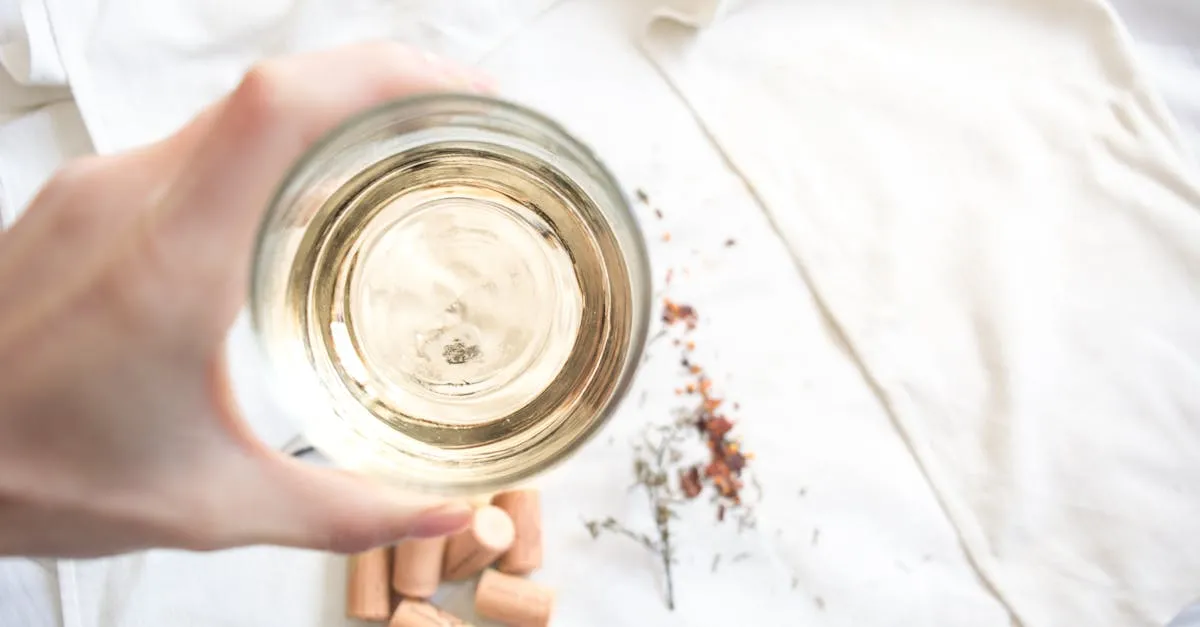
Three colours, three production families. White wine, rosé wine, and sweet wine each have their own process choices. The production technique is the single biggest predictor of how the finished wine will taste, so this section walks through each in turn.
By the end of this section you will be able to:
- List the typical order of white winemaking and explain why it differs from red.
- Compare the two common methods for making rosé wine.
- Describe the four ways to make a sweet wine and give an example of each.
- Explain how botrytis (noble rot) concentrates grape sugars.
- Distinguish the role of malolactic conversion and lees ageing in white winemaking.
The order of white winemaking
Crushing → pressing → alcoholic fermentation → storage or maturation → packaging. Pressing happens before fermentation in white wine, the opposite of red. The grape skins are typically discarded after pressing because white wine doesn't need the colour or tannin they carry.
White wines are usually made from white grapes, but the syllabus is clear that black grapes can be used too if they are pressed very gently before fermentation. The pulp is colourless; only the skin carries colour. Champagne is the most famous example, where Pinot Noir gets pressed gently to give clear juice for white sparkling wine.
Fermentation temperature for whites
White wines ferment at 12°C to 22°C (54°F to 72°F), cooler than red wines. Cooler fermentations preserve fresh fruity aromas; the lower end of the range produces particularly fruity styles.
Making dry rosé wines
There are two common methods for rosé.
- Short maceration
- Black grapes are crushed and the fermentation starts the same way as for red wine, with juice and skins together. After only a few hours, the fermenting wine is drained from the skins. Fermentation then continues at white-wine temperatures.
- Blending
- A red wine is blended with a white wine. This method is not permitted in many parts of Europe, so it shows up more in New World rosés than in classic European appellations.
Making sweet wines
Residual sugar - the sugar left in a wine after fermentation - defines a sweet wine. There are four routes to it.
- 1. Concentrated grape sugars
- Use grapes so high in sugar that the yeast give up before fermenting it all. The extra sugar comes from extra-ripe grapes, botrytis-affected grapes, or grapes frozen on the vine. Tokaji Aszú from Hungary is the classic example.
- 2. Removing the yeast
- Use sophisticated filters to physically remove the yeast from the fermenting juice while sugar still remains. White Zinfandel from California is the example.
- 3. Killing the yeast (fortification)
- Add high-strength alcohol to the fermenting juice. The alcohol level rises to between 15-20% abv, killing the yeast before they can ferment all the sugars. Port from Portugal is the example.
- 4. Adding sweetness to a dry wine
- Sweeten a finished dry wine with unfermented grape juice, concentrated grape juice, or by blending in a sweet wine. Popular because it gives the winemaker precise control over the final sweetness.
Botrytis (noble rot)
Botrytis cinerea is a fungus that, under the right conditions, dries the grapes on the vine and concentrates their sugars, acids, and flavours. Three weather conditions are needed:
- Ripe grapes ready for harvest.
- Damp, misty mornings to encourage fungal development.
- Warm, dry afternoons to slow the fungus and prevent grey rot.
The wines made from botrytis-affected grapes have intense honey, dried-fruit, and apricot character. Sauternes, Tokaji Aszú, and the Beerenauslese and Trockenbeerenauslese categories of German Riesling are all botrytis wines.
Adjustments
Sometimes grapes don't have the right balance and the winemaker can correct it.
- Sugar adjustment
- In cool climates, grape sugar can be too low and the resulting wine would be low in alcohol and lacking body. The winemaker can add sugar to the juice to raise the alcohol level after fermentation.
- Acid adjustment
- In warm climates, grape acidity can drop too low and leave the wine unbalanced. The winemaker can add acid during winemaking. In cool climates the opposite can happen - too much acid - and the winemaker can neutralise some of it.
Malolactic conversion
After alcoholic fermentation, a different microorganism - bacteria, not yeast - can be encouraged to act on the wine. Malolactic conversion lowers the wine's acidity and produces buttery secondary flavours.
For red wines, malolactic conversion almost always happens and the buttery character isn't really noticeable against the heavier red structure. For white wines, the winemaker chooses. Aromatic varieties like Riesling typically avoid malolactic to preserve their high acidity and fresh aromatics. Some Chardonnay styles benefit from the buttery, rounded character it adds.
Lees ageing
After fermentation, the dead yeast cells fall to the bottom of the vessel and form a layer called lees. The winemaker can choose to keep the wine on the lees, sometimes stirring them up through the wine during maturation. Lees ageing adds body and secondary flavours of bread, biscuit, and pastry. Avoided for aromatic varieties; used for fuller-bodied styles like Chardonnay.
Section summary
- White winemaking order: crush → press → ferment → mature → bottle. Pressing before fermentation is the opposite of red.
- Black grapes can make white wine if pressed gently to avoid skin colour transfer.
- White fermentation runs at 12-22°C; lower for fruity styles.
- Rosé methods: short maceration (most common) or blending (banned in much of Europe).
- Four sweet-wine techniques: concentrated sugars, removing yeast, killing yeast (fortification), adding sweetness to a dry wine.
- Botrytis needs ripe grapes, damp misty mornings, and warm dry afternoons.
- Malolactic conversion lowers acid and adds buttery flavours; lees ageing adds body, bread, and biscuit notes. Both typically avoided for aromatic whites.
That's the production toolkit. The next four sub-sections show how those choices play out for the four high-acid, botrytis-friendly grapes the syllabus spotlights.
✓
Test yourself to continue
White, rosé, and sweet production factors