Section 18 of 34
Gewurztraminer, Viognier, Albariño
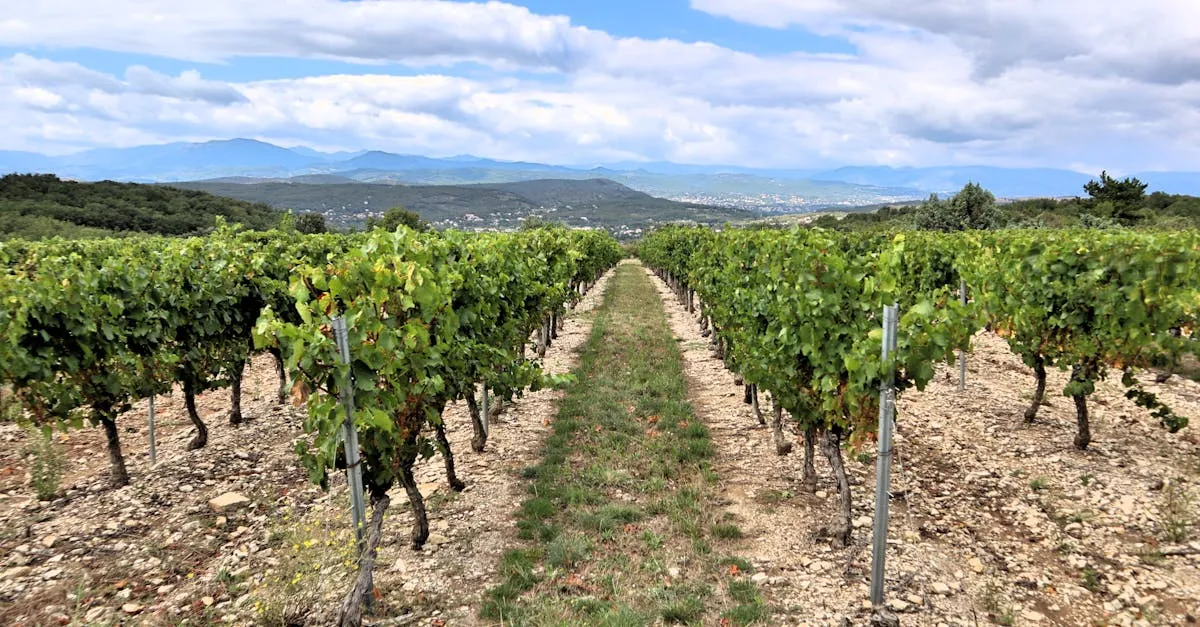
Three white grapes, three very different reputations. Gewurztraminer and Viognier are responsible for some of the world's fullest-bodied and most floral white wines. Albariño is the fresh, high-acid, fashionable Atlantic coast grape from Spain. They share the label aromatic and not a lot else.
By the end of this section you will be able to:
- Describe Gewurztraminer's aromatic profile and identify Alsace AOC as its most famous region.
- Describe Viognier's aromatic profile and identify Condrieu AOC in the Northern Rhône as the benchmark.
- Describe Albariño's aromatic profile and identify Rías Baixas DO in north-west Spain as its home.
Gewurztraminer
Gewurztraminer is an aromatic variety that grows best in cool to moderate climates. It accumulates high sugar levels during ripening, so when fermented to dryness, the result is a high-alcohol wine.
A typical Gewurztraminer is full-bodied, low to medium acidity, high alcohol. Pronounced floral aromas (rose) alongside stone fruit (peach, apricot) and tropical fruit (lychee). Ranges from dry to sweet.
Typically unoaked to preserve the floral aromas. Very good or outstanding examples can develop honey and dried fruit in bottle.
The most famous region is Alsace AOC in France, where Gewurztraminer produces some of the region's highest-quality grand cru wines alongside Riesling and Pinot Gris. All three are eligible for grand cru status and all three can be labelled Vendanges Tardives when made from late-harvested, extra-ripe grapes.
Viognier
Viognier is an aromatic grape mainly grown in moderate climates.
A typical Viognier is dry, low to medium acidity, high alcohol, medium to full body. Pronounced floral aromas (blossom) and stone-fruit flavours (peach, apricot).
Most Viognier is fermented in inert vessels. Unusually for an aromatic variety, some oak-aged Viogniers are made. The classic region is Condrieu AOC, a single-variety Viognier appellation in France's Northern Rhône. Condrieu wines commonly show light oak flavours (vanilla), though the winemaker is careful not to overpower the delicate floral character.
Viognier has become fashionable worldwide. It works as a single-varietal wine or as a blending partner, where it contributes floral notes and body.
Albariño
Albariño is grown in the cool Rías Baixas DO region in the north-west corner of Spain, on the Atlantic coast. Rías Baixas is notably cooler, wetter, and cloudier than Spain's other wine regions, which makes it well suited to refreshing white wines.
A typical Albariño is dry, high acidity, medium body. Flavours of citrus fruit (lemon, grapefruit) and stone fruit (peach, apricot). Most commonly unoaked, intended to be drunk young. Some producers use a small amount of lees contact to add body and complexity.
Albariño has gained recent popularity and producers outside Spain are starting to plant it in suitable cool-coastal sites around the world.
Section summary
- Gewurztraminer: cool to moderate. Full-bodied, low-medium acidity, high alcohol. Rose, lychee, stone fruit. Typically unoaked. Ages to honey and dried fruit. Signature region: Alsace AOC (grand cru, Vendanges Tardives).
- Viognier: moderate climate. Dry, low-medium acidity, high alcohol, medium-full body. Blossom and stone fruit. Mostly unoaked but some oak-aged. Signature region: Condrieu AOC (Northern Rhône, single-varietal).
- Albariño: cool Atlantic climate. Dry, high acidity, medium body. Lemon, grapefruit, stone fruit. Unoaked, drink young. Some lees contact. Signature region: Rías Baixas DO (north-west Spain).
Chapter 4 done. Principal white grapes - Chardonnay, Sauvignon Blanc, Pinot Grigio/Pinot Gris, and the aromatic trio. Chapter 5 switches to red wines: the Bordeaux-style grapes Merlot, Cabernet Sauvignon, and Syrah/Shiraz.
✓
Test yourself to continue
Gewurztraminer, Viognier, Albariño