Section 6 of 34
Pinot Noir
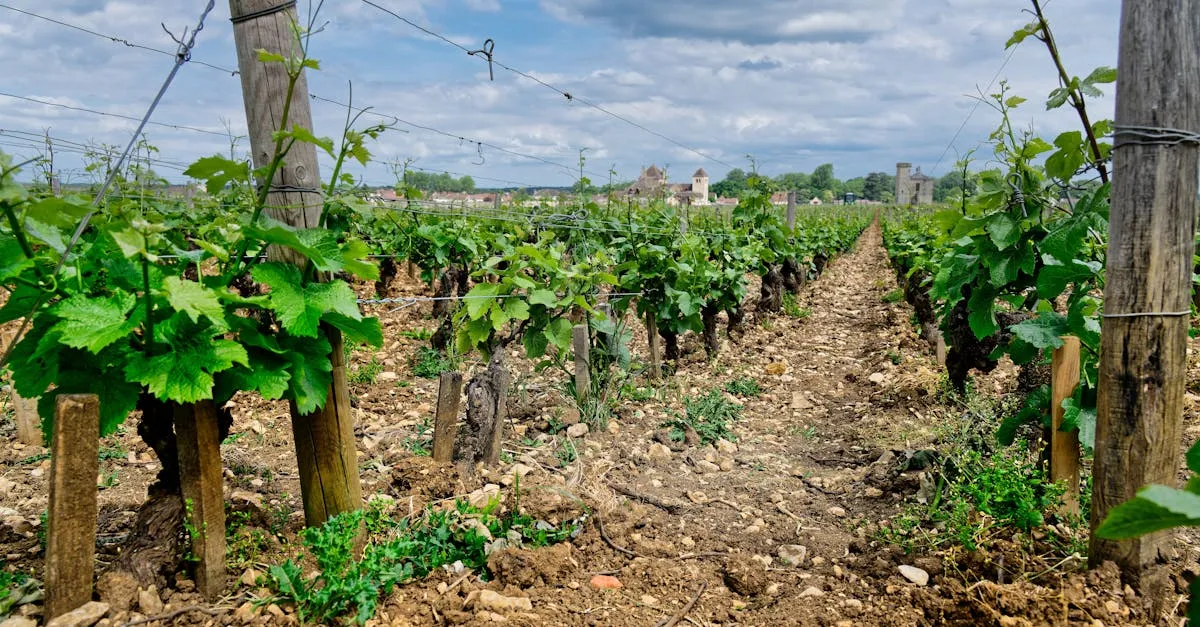
Pinot Noir is the grape behind red Burgundy. It is also one of the most demanding grapes in the syllabus: thin-skinned, prone to disease, and only really comfortable in cool to moderate climates. Get it right and you have one of the world's most coveted wines. Get the climate wrong and you have an overripe, overpriced disappointment.
By the end of this section you will be able to:
- Describe Pinot Noir's structural profile and typical flavours.
- Explain why Pinot Noir requires a cool to moderate climate.
- Walk the four-tier Burgundy quality hierarchy from Bourgogne AOC up to Grand Cru.
- Name the Pinot Noir regions outside Burgundy and the climate-moderating influence each one relies on.
- Explain Pinot Noir's role in sparkling wine production.
The grape
Pinot Noir is thin-skinned, high acidity, low to medium tannin, and pale to medium in colour. The fruit profile sits firmly in the red-fruit cluster: strawberry, raspberry, red cherry. Get the climate wrong and those fresh-fruit flavours turn cooked and unappealing.
Pinot Noir is fragile. The thin skin makes it prone to rot and disease. In poor vintages even good growers can struggle to produce small amounts of decent fruit. That fragility is part of why finished Pinot Noir tends to be expensive: there is rarely a glut of it.
Winemaking and maturation
Pinot Noir is almost always made as a single-varietal red wine. The notable exception is sparkling wine production, especially Champagne, where it's blended with Chardonnay (and sometimes Meunier).
Oak handling is delicate. New small barrels can easily overwhelm Pinot Noir's subtle flavours, so winemakers typically use older or larger barrels that impart less. The best Pinot Noirs show subtle oak-derived smoke and clove notes that complement rather than dominate the fruit.
Most Pinot Noir is meant to be drunk young and fruity. Very good and outstanding examples can develop tertiary flavours of forest floor and mushroom with bottle age, but only the most concentrated wines have the structure to age well.
France: Burgundy
Burgundy is the spiritual home of Pinot Noir. Climate ranges from cool in the north to moderate further south. The best Pinot Noir vineyards are on south- or south-east-facing slopes that catch extra sunlight and produce concentrated, complex wines.
The most celebrated vineyards sit in the Côte d'Or, which splits into two halves: Côte de Nuits in the north and Côte de Beaune in the south. Burgundy uses a four-tier quality hierarchy that you will be tested on.
- Bourgogne AOC (regional)
- Wines from anywhere in Burgundy. Light to medium body, low tannin, high acidity, fresh red fruit. Meant to drink young; lacks the intensity to age. Even basic Bourgogne AOC is high-priced because demand outstrips supply.
- Village wines
- Better-situated vineyards in named villages: more flavour intensity, complexity, and finish length. Famous Pinot Noir villages include Gevrey-Chambertin AOC and Nuits-Saint-Georges AOC (Côte de Nuits), and Beaune AOC and Pommard AOC (Côte de Beaune).
- Premier Cru
- Specific high-quality vineyards within a village appellation. The label shows both the village name and "Premier Cru". A wine from a single Premier Cru vineyard often names that vineyard too.
- Grand Cru
- The highest tier: handful of the very best individual vineyards, each with its own appellation. The vineyard name plus "Grand Cru AOC" appears on the label. The most concentrated, complex, and age-worthy Burgundies. Exceptionally high prices.
The very best Premier Cru and Grand Cru wines show concentrated red-fruit flavours (strawberry, red cherry), subtle oak (cloves, smoke), and develop pronounced tertiary forest-floor and mushroom notes with bottle age.
Pinot Noir around the world
Burgundy is not the only home. Several other regions produce very good and outstanding Pinot Noir. Each one relies on a specific climate-moderating influence (covered in chapter 4) to keep things cool enough.
- USA: California
- Most of California is too warm. The exceptions are Carneros (cooled by morning fogs from San Pablo Bay), the western parts of Sonoma (cooled by Pacific breezes), and Santa Barbara County in the Central Coast. Californian Pinot Noir tends to ripe red-fruit (strawberry, red cherry) with notable oak vanilla.
- USA: Oregon
- Cooler than California due to its higher latitude and Pacific exposure. Mostly moderate climate, ideal for Pinot Noir. Complex fresh red-fruit flavours, subtle oak (smoke, cloves), and tertiary earth and mushroom with bottle age.
- Chile
- Casablanca Valley, north of Santiago, is cooled by sea breezes and morning fogs from the Pacific. Produces fruity Pinot Noir, often with cooked-strawberry character, at very good value.
- South Africa
- Walker Bay, with strong southerly sea breezes, makes very good and outstanding Pinot Noir with vibrant red fruit.
- Australia
- Most of Australia is too warm, but Yarra Valley and Mornington Peninsula in Victoria are cool enough thanks to Southern Ocean breezes. Style varies from light and fragrant to riper red-plum and strawberry with medium tannins.
- New Zealand
- Pinot Noir is New Zealand's premier black grape variety. Martinborough and Marlborough have cool to moderate climates ideal for it. Central Otago, protected by mountains, produces New Zealand's ripest and most powerful Pinot Noir, with pronounced strawberry and red cherry, medium to full body, and the structure to benefit from oak ageing and a few years in bottle.
Section summary
- Pinot Noir: thin skin, high acidity, low to medium tannin, pale to medium colour, red-fruit flavours.
- Needs a cool to moderate climate; warm regions produce overripe, alcoholic wines.
- Burgundy hierarchy: Bourgogne AOC → Village → Premier Cru → Grand Cru.
- Famous villages: Gevrey-Chambertin and Nuits-Saint-Georges (Côte de Nuits); Beaune and Pommard (Côte de Beaune).
- Other regions: Carneros, Sonoma, Santa Barbara (California), Oregon, Casablanca Valley (Chile), Walker Bay (South Africa), Yarra Valley and Mornington Peninsula (Victoria), Martinborough, Marlborough, Central Otago (New Zealand).
- Pinot Noir is also a key Champagne grape, blended with Chardonnay.
- Outstanding examples develop tertiary forest-floor and mushroom notes with bottle age.
One grape down, one to go. Zinfandel is Pinot Noir's structural opposite: warm-climate, high alcohol, ripe black fruit. Read the next sub-section, then the chapter deck below tests both.
✓
Test yourself to continue
Pinot Noir