Section 34 of 34
Fortified wines
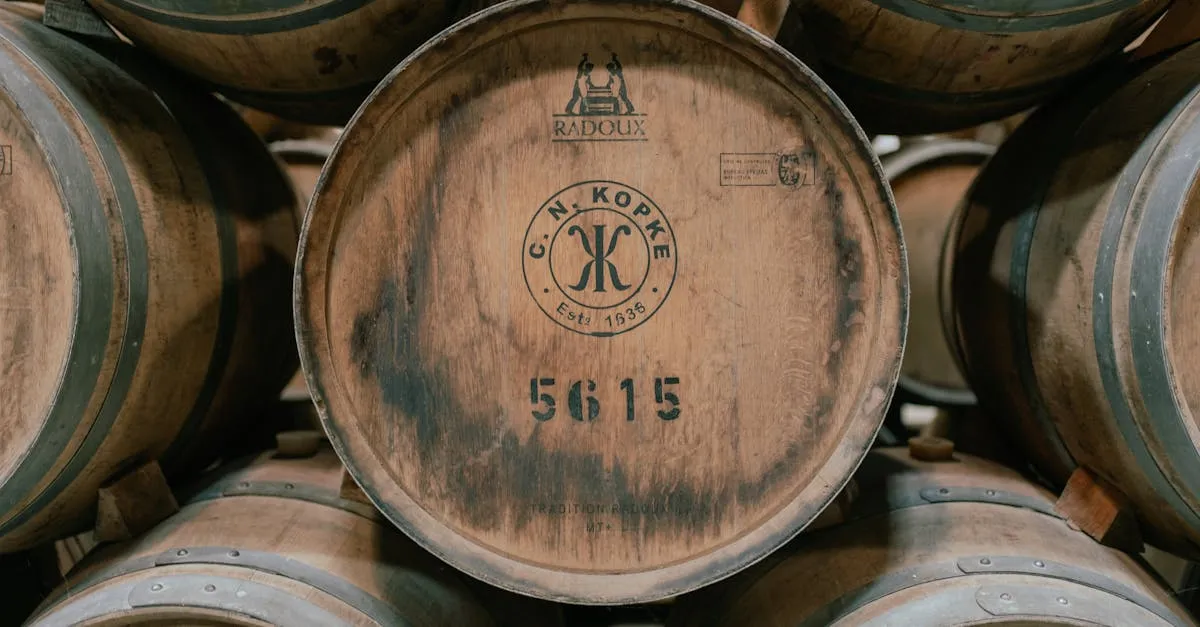
Fortified wines are wines with extra alcohol added. Traditionally fortification protected wine from spoilage during long sea voyages; today it creates two of the most distinctive wine styles in the world. Sherry from Spain and Port from Portugal are both fortified, but they take opposite approaches - Sherry is mostly dry, Port is always sweet.
By the end of this section you will be able to:
- Describe Sherry production: Palomino base wine, the solera system, and the role of flor in biological ageing.
- Distinguish Fino, Oloroso, and Amontillado Sherry styles by ageing method and resulting flavour.
- Read the sweet Sherry labels: Pale Cream, Medium, Cream, PX.
- Describe Port production: fortification during fermentation to leave sweet, high-alcohol wine.
- Distinguish Ruby-style Ports (Ruby, Reserve Ruby, LBV, Vintage) from Tawny-style Ports.
Sherry production
Sherry is produced around the town of Jerez de la Frontera in southern Spain. Almost all Sherry starts life as a simple dry base wine made from Palomino, a local white grape.
After fermentation, alcohol is added to fortify the wine before it enters the solera. A solera is a system of old-oak casks containing wines of different ages, continually blended together as they age. The solera ensures a consistent, complex style of mature wine - and it's where Sherry develops its distinctive flavours.
Dry Sherry styles
- Fino
- Ages under a thick white layer of yeast called flor. This is biological ageing. Base wine fortified to around 15% abv. The flor forms on the surface of the wine and protects it from oxygen. Typical Fino: pale lemon in colour, aromas of apple, almonds, and pronounced flavours from flor (biscuit, bread dough). Rapidly loses freshness after bottling - drink young, serve chilled.
- Oloroso
- No flor. Dry base wine fortified to around 17% abv: a strength at which flor cannot survive. Without flor's protection, the wine ages oxidatively. Becomes brown in colour and develops dried fruits (raisins, prunes) and notes of deliberate oxidation (walnuts, caramel).
- Amontillado
- Somewhere between Fino and Oloroso. Ages under flor first, then refortified to around 17% abv: killing the flor and allowing the wine to finish oxidatively. Notably deeper in colour than Fino. Flavours from both flor (biscuit, bread dough) and oxidative ageing (walnuts, caramel).
Sweet Sherry styles
Dry Sherries can be sweetened after ageing. These must be labelled with a different or supplementary term:
- Pale Cream
- A sweetened Fino.
- Medium / Cream
- Used for sweetened Amontillado or Oloroso.
- PX (Pedro Ximénez)
- A sweet Sherry made from white Pedro Ximénez grapes that have been concentrated by sun-drying. Fortified and aged oxidatively in the solera. Almost black in colour, sweet with pronounced dried-fruit flavours (fig, prune, raisin). Often used as the sweetening component in Cream Sherries.
Port production
Port is a sweet fortified wine produced from grapes grown in the Upper Douro region of Portugal. Made from a blend of local black grapes; most Ports are blends from several vintages.
All Port follows the same basic winemaking process:
- After harvest, rapidly extract colour and tannin from the skins - traditionally by foot treading, though machines now exist.
- Fermentation is interrupted by adding grape spirit. This kills the yeast, which stops fermentation and leaves a wine that is sweet and high in alcohol.
- Mature before blending and bottling. The maturation method determines the style.
Ruby-style Ports
Deeply coloured and fruity. After fortification, they spend a period of time ageing in large vessels before bottling - traditionally large old-oak casks, sometimes stainless steel tanks. Typical flavours: cooked black fruit (black cherry, blackberry) and sometimes black pepper.
- Ruby Port
- Inexpensive. Sweet, simple, fruity wines with lower tannins than other ruby-style Ports.
- Reserve Ruby Port
- Uses better-quality wines with greater flavour intensity. Sometimes matured for longer than Ruby Ports to soften and integrate the added alcohol.
- Late Bottled Vintage (LBV) Port
- Similar in style to Reserve Ruby but contains wines from a single vintage.
- Vintage Port
- Made from the highest-quality wines of a single exceptional vintage. High tannin, very concentrated flavours. Matures in bottle for at least 20 years and sometimes much longer. Colour turns from ruby to garnet; develops complex tertiary aromas of dried fruit, leather, and coffee. Forms a thick sediment and must be decanted before serving. Not made every year - producers only declare a Vintage in the best years.
Tawny-style Ports
Named for their tawny colour. The best develop this colour from extended oxidative ageing in small barrels. Over time, oxygen attacks the colour, turning it from ruby to tawny. The wines develop complex dried fruit and deliberate-oxidation flavours (walnut, coffee, caramel). High-quality wines made this way typically have an age indication of 10, 20, 30, or 40 years.
Inexpensive wines labelled simply Tawny Port are different: simple, fruity, low in tannin, and pale in colour - these are not the aged tawny style.
Section summary
- Fortified = extra alcohol added. Sherry from Spain, Port from Portugal.
- Sherry: near Jerez de la Frontera, southern Spain. Palomino base wine, fortified then entered into the solera (old-oak casks, wines of different ages continually blended).
- Fino: flor, biological ageing, ~15% abv, pale lemon, apple/almonds/biscuit/bread dough, drink young chilled.
- Oloroso: no flor, ~17% abv, oxidative, brown, dried fruit (raisins, prunes), walnuts/caramel.
- Amontillado: flor then refortified to ~17% abv; has both flor (biscuit, bread dough) and oxidative (walnuts, caramel) character. Deeper colour than Fino.
- Sweet Sherries: Pale Cream (sweetened Fino), Medium/Cream (sweetened Amontillado or Oloroso), PX (sun-dried Pedro Ximénez, almost black, fig/prune/raisin, also used to sweeten Cream Sherries).
- Port: Upper Douro, Portugal. Blend of local black grapes, usually across vintages. Rapid colour/tannin extraction (traditionally foot treading). Fermentation interrupted by grape spirit → sweet, high-alcohol wine.
- Ruby-style (large vessels, fresh fruit): Ruby, Reserve Ruby, LBV (single vintage), Vintage (highest-quality, 20+ years in bottle, decant).
- Tawny-style (small barrels, extended oxidative): aged 10/20/30/40 years; inexpensive Tawny is simple and pale.
Chapter 8 done. That's the full Level 2 syllabus: production factors, principal white and black grapes across both classic and New World regions, Italy's specialities, and the sparkling and fortified wines that round out the exam.
✓
Test yourself to continue
Fortified wines